
Traditional Chinese Clothing and Dress
Traditional Chinese clothing, with its intricate designs and rich cultural symbolism, is an important aspect of China's long history. The evolution of Chinese attire reflects the country’s artistic, cultural, and social development over thousands of years. This article explores the history, types, regional differences, and global impact of traditional Chinese clothing.
The History and Evolution of Traditional Chinese Clothing
The history of Chinese clothing dates back thousands of years, evolving alongside the country’s dynasties, traditions, and societal changes. Early Chinese attire was influenced by practicality, nature, and spiritual beliefs, but over time it became a symbol of social status and cultural identity.
Ancient Beginnings: Traditional Chinese clothing traces its roots to the Neolithic period, with basic garments made from animal hides and primitive textiles. By the Shang and Zhou Dynasties (1600–256 BCE), more refined weaving techniques and silk production emerged. Clothing styles became a marker of social hierarchy, with elaborate robes reserved for nobility and simple tunics for commoners.
Han Dynasty (206 BCE–220 CE): The Han Dynasty marked the formalization of clothing systems, including the development of Hanfu, a style of dress with wide sleeves, a crossed collar, and a flowing design. Hanfu became a symbol of Han Chinese culture and influenced subsequent dynasties.
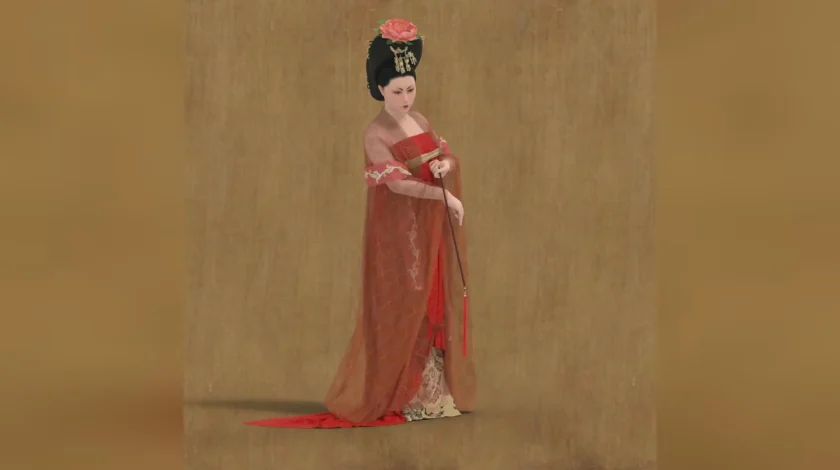
Tang Dynasty (618–907 CE): The Tang Dynasty is often considered a golden age of Chinese fashion. Women’s clothing became more vibrant and diverse, reflecting the empire’s cosmopolitan nature. Styles such as short blouses paired with long skirts were popular, and silk garments became more accessible.
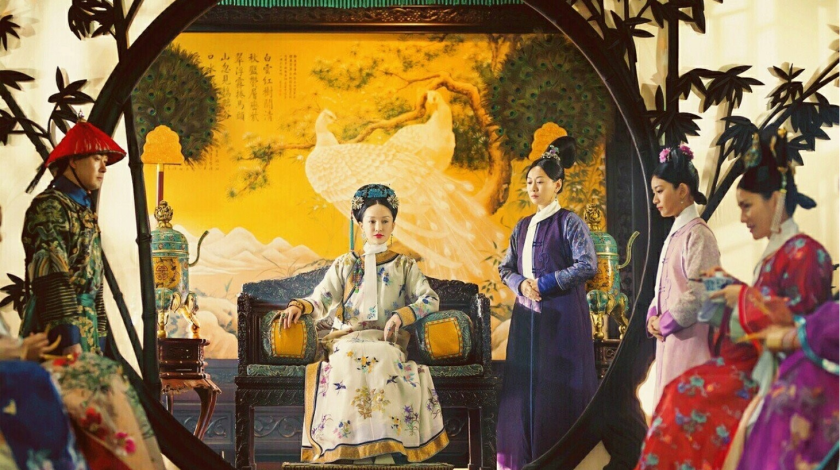
Ming and Qing Dynasties (1368–1912 CE): The Ming Dynasty saw a return to traditional Han styles, emphasizing elaborate embroidery and ceremonial robes. During the Qing Dynasty, Manchu-style clothing became prominent, introducing the qipao or cheongsam, a close-fitting garment that became an enduring symbol of Chinese elegance.
Today, traditional clothing has experienced a revival, with modern adaptations of styles like Hanfu and Qipao embraced by younger generations.
Types of Traditional Chinese Clothing
Traditional Chinese clothing encompasses a wide range of garments, each with its unique design and cultural significance.
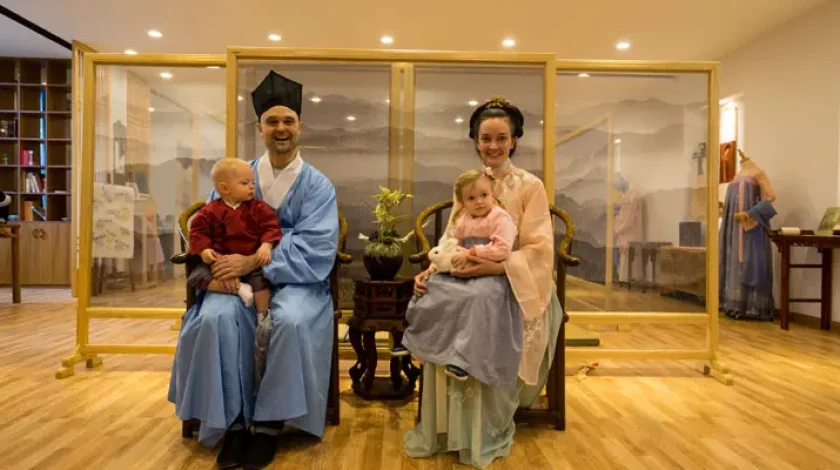
Hanfu: As the traditional attire of the Han Chinese, Hanfu features flowing robes, wide sleeves, and intricate patterns. It is often worn for ceremonies and cultural events today.
Qipao (Cheongsam): Originating during the Qing Dynasty, the qipao is a one-piece, form-fitting dress known for its elegance. Modern qipaos often feature high slits and elaborate embroidery, blending tradition with contemporary style.
Tang Suit: Inspired by traditional jackets, the Tang suit is a modernized form of ancient Chinese attire. It is characterized by a Mandarin collar, frog buttons, and embroidered designs, commonly worn during festivals.
Zhongshan Suit (Mao Suit): Introduced in the 20th century by Sun Yat-sen, the Zhongshan suit combines traditional and Western elements. It is formal, functional, and often associated with Chinese patriotism.
Wedding and Ceremonial Attire: Traditional Chinese weddings feature red garments symbolizing prosperity and luck. Brides often wear a qungua, a two-piece outfit with intricate dragon-and-phoenix embroidery.
Differences Among Ethnic Groups in Chinese Clothing
China’s ethnic diversity is reflected in its clothing, with each of the country’s 56 ethnic groups showcasing unique attire. These garments often highlight the group’s heritage, environment, and way of life.
Han Chinese: The Han majority traditionally wore Hanfu, but today their attire is less distinct, blending with modern fashion. However, Han ceremonial clothing remains integral to cultural rituals.
Miao (Hmong): Miao attire is renowned for its vibrant colors, silver accessories, and elaborate embroidery. Women often wear pleated skirts, embroidered jackets, and heavy silver jewelry during festivals.
Tibetan: Tibetan clothing is heavily influenced by the cold, mountainous climate. Long, thick robes made from wool or fur are common, often adorned with bright sashes and intricate patterns.
Uyghur: The Uyghur people of Xinjiang wear colorful, lightweight garments suited to their arid environment. Women often don long dresses with headscarves, while men wear doppa, a traditional square hat.
Mongolian: Mongolian attire includes the deel, a long tunic tied at the waist with a sash. It is practical for horseback riding and often made from thick fabrics to withstand harsh winters.
These differences in traditional attire highlight the diversity of China’s cultural landscape, with each group preserving its unique identity through clothing.
The Influence of Chinese Clothing on Other Countries
Chinese clothing has had a profound impact on fashion and textiles worldwide, particularly in neighboring Asian countries and modern global fashion.
East Asia: Chinese clothing, especially Hanfu, greatly influenced the development of traditional attire in Korea (hanbok) and Japan (kimono). The shared cultural exchanges through trade and diplomacy during historical dynasties helped shape these styles.
Silk Road: As the birthplace of silk, China’s textiles were highly sought after along the Silk Road. Chinese silk garments inspired fashion trends in the Middle East, Europe, and beyond, making silk a symbol of luxury.
Modern Fashion: Elements of traditional Chinese clothing, such as Mandarin collars, intricate embroidery, and flowing designs, frequently appear in modern fashion. Designers worldwide, including brands like Dior and Gucci, have incorporated Chinese motifs and patterns into their collections.
Cinema and Pop Culture: Movies like Crouching Tiger, Hidden Dragon and The Last Emperor have popularized traditional Chinese attire globally. The qipao, in particular, has become a symbol of timeless elegance, often featured in films, runways, and cultural showcases.
Chinese clothing continues to inspire global fashion trends, symbolizing not just beauty but also cultural pride and history.
Traditional Chinese clothing is more than just fabric and design; it represents a deep connection to history, culture, and identity. From the flowing elegance of Hanfu to the tailored grace of the qipao, these garments tell stories of China’s past and reflect its diverse heritage. As these traditional styles experience a revival in modern times, they serve as a bridge between the ancient and the contemporary, celebrating China’s rich cultural legacy while influencing fashion worldwide.
Want a More Personalized Best China Tour?
Talk to us about booking a private or custom tour for your unique China experience.
Great Wall 12 DaysTimeless Classic China Tour
Embark on the 12-day Timeless Classic China Tour to dive deep into thousands of years of authentic Chinese history and culture, visiting six iconic destinations spanning ancient imperial capitals, UNESCO-listed heritage towns, and vibrant modern hubs: Beijing, Datong, Luoyang, Pingyao, Xi’an, and Shanghai. This carefully curated itinerary highlights the very best of timeless China, delivering unbeatable value at a competitive price point, with fully secure, trusted payment processes for a smooth, stress-free booking experience.
Great Wall 13 DaysThousand-Year-Old China Tour
Explore over a thousand years of Chinese history and culture on this 13-day Thousand-Year-Old China Tour, guiding you through 8 iconic destinations from ancient imperial capitals and historic walled towns to dynamic modern metropolises and scenic water towns, including Beijing, Datong, Luoyang, Pingyao, Xi’an, Nanjing, Suzhou and Shanghai. This carefully handpicked itinerary highlights the very best of China’s diverse cultural heritage, offered at unbeatable value with fully trusted, secure payment options for a seamless, stress-free travel planning experience.
Forbidden City 13 DaysChina’s Essential Highlights for History Enthusiasts (Private Custom)
Tailored exclusively for passionate history enthusiasts, this 13-day private custom tour explores China’s most iconic historical hubs, spanning Beijing, Datong, Pingyao, Luoyang, Xi’an and Nanjing. Curated to showcase the very best of China’s millennia of civilization, every stop is hand-selected to deliver an immersive deep dive into the country’s unmissable essential historical highlights. This great-value tour offers secure, trusted payment processing and full flexibility to adjust your itinerary to match your specific historical interests.
Jinci 8 Days8-Day Shanxi Buddhist Sites Exploration Tour with Private Guide & Driver
Spend 8 immersive days exploring Shanxi’s most sacred Buddhist landmarks on this curated private tour, with stops across iconic destinations including Datong, Pingyao, and Xi’an, plus other key sites tied to Chinese Buddhist heritage. You’ll enjoy personalized, hassle-free travel with your own dedicated private guide and driver throughout the entire journey, letting you fully soak in the ancient history and spiritual atmosphere of each site. This handpicked itinerary comes at unbeatable prices with secure, trusted payments, making it a top pick for cultural travelers.
Yungang Grottoes 7 Days7-Day Shanxi Cultural Heritage Tour with Private Guide and Driver
This 7-day immersive cultural heritage tour explores northern China’s most treasured ancient sites, leading you through Shanxi’s iconic historic destinations Datong and Pingyao before concluding in famous imperial hub Xi’an. Throughout your entire journey, you’ll enjoy exclusive access to a dedicated private guide and private driver, letting you explore ancient relics and hidden cultural gems at your own relaxed pace. Curated for heritage travel lovers, this handpicked itinerary delivers great value with competitive pricing and secure, trusted payment processing.
Yungang Grottoes 11 Days11-Day Shanxi Odyssey Tour with Private Guide and Driver
This 11-day cultural odyssey through northern China guides you across Shanxi’s most iconic highlights — including Datong and the UNESCO-listed walled city of Pingyao, plus sacred Mount Wutai and Taiyuan — before concluding in historic Xi’an. Your trip comes with a dedicated private guide and private driver for a flexible, personalized exploration free from the crowds of generic group tours. Curated as a top-rated itinerary for cultural travelers, it delivers unbeatable value with guaranteed best pricing and secure, trusted payment processing for a stress-free booking experience.
