
Discovering Chinese Chess (Xiangqi): History, Evolution, and Cultural Significance

Chinese Chess

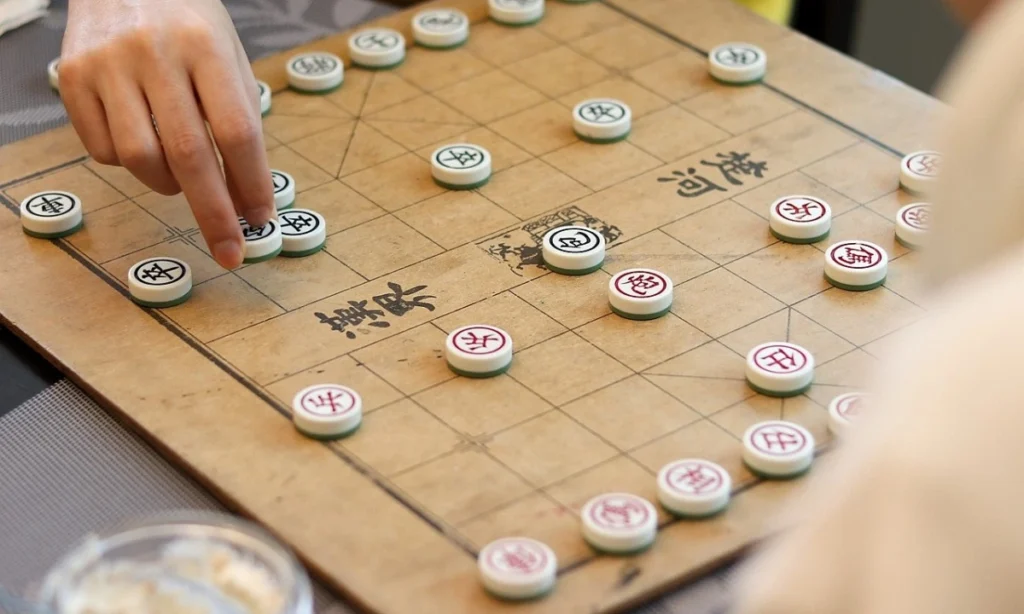
Chinese chess, known as Xiangqi (象棋), is one of the oldest and most cherished board games in Chinese culture. With a rich history spanning over two millennia, Xiangqi has played a significant role in Chinese social life, philosophy, and cultural traditions. For those interested in learning more about China’s vibrant cultural heritage, understanding Xiangqi provides fascinating insights into Chinese thought and strategy.

1. The Origins of Xiangqi (Chinese Chess)

Xiangqi is believed to have originated in China during the Warring States period (475–221 BCE). The game’s early roots can be traced to ancient military strategies and the use of chess-like games to train soldiers. By the Tang Dynasty (618–907 CE), Xiangqi had evolved into a more recognizable form and became a popular pastime among scholars and officials. During the Ming (1368–1644) and Qing Dynasties (1644–1912), Xiangqi became deeply ingrained in Chinese culture, being played not only by common people but also by the imperial court.

2. The Basic Rules of Xiangqi

While similar to the Western game of chess, Xiangqi has its own unique features. The game is played on a 9×10 grid with two sides—each representing a military force—comprising different pieces with distinctive movements. The most notable pieces are:

  • King (将/帅): Similar to the King in Western chess, the goal of the game is to checkmate the opponent’s King.
  • Advisor (士/仕): These pieces move diagonally, defending the King.
  • Elephant (象/相): This piece moves diagonally but can only travel within its side of the board.
  • Horse (马): Similar to the Knight, the Horse moves in an L-shape.
  • Chariot (车): This is similar to the Rook and can move horizontally or vertically.
  • Cannon (炮): The Cannon can move like the Chariot but must jump over another piece to capture an opponent’s piece.
  • Soldiers (兵/卒): These pieces advance one step at a time but capture diagonally.

3. The Evolution of Xiangqi

Xiangqi, like many cultural traditions, has evolved over time. The game underwent changes in its rules, particularly during the Tang Dynasty, when the design of the board and the pieces was standardized. The modern version of Xiangqi, which is widely played today, shares similarities with earlier forms but is faster-paced and more tactical.

In the 20th century, Xiangqi became internationally recognized as Chinese expatriates spread the game worldwide. Tournaments are now held internationally, with players from various countries joining in the competitive spirit.

4. Cultural Significance of Xiangqi

Xiangqi holds much more than just recreational value. In Chinese culture, it is often seen as a reflection of military strategy, philosophy, and even the balance between opposing forces. The game mirrors the Yin-Yang philosophy of balancing opposing elements—such as attack and defense, or strategy and tactics. The movement of the pieces also represents the coordination and cooperation of the army, as each piece has a distinct role, much like the different units in warfare.

Furthermore, Xiangqi is a way for people to bond and socialize. Whether played in parks, teahouses, or at home, it serves as a form of entertainment that encourages critical thinking and strategic planning. In many Chinese families, children learn to play Xiangqi from a young age, not only as a game but also as a way to improve their cognitive skills.

5. Xiangqi in Contemporary China

Today, Xiangqi is still widely played across China. It remains popular in both urban and rural areas, with people often gathering in public spaces to play in their free time. Xiangqi also has a presence in the media, with online versions of the game available for players worldwide. The sport has even been included in official competitions, such as the World Xiangqi Championship, highlighting its importance on the global stage.

In modern times, Xiangqi has also become a source of inspiration in Chinese literature, film, and art. It symbolizes the intellectual spirit of Chinese culture and continues to thrive as an important cultural activity.

6. How Foreigners Can Experience Xiangqi

For visitors to China, experiencing Xiangqi is an excellent way to connect with local culture. Whether you are in a bustling city or a more traditional area, you are likely to find people playing the game in public parks, teahouses, or even in family homes. Many Chinese cities also offer Xiangqi clubs where you can learn the game and play with locals.

For those interested in taking their knowledge of Xiangqi further, numerous online platforms and mobile apps allow for international play. If you’re visiting China, consider trying your hand at Xiangqi with a local player to truly appreciate the strategic depth of the game.

Xiangqi is much more than a game; it’s a reflection of Chinese culture, history, and strategic thinking. Whether you are a casual player or a serious enthusiast, learning about Xiangqi will deepen your understanding of China and its rich intellectual traditions. The game is an excellent way to engage with local culture, meet new people, and improve your strategic thinking skills. So, the next time you’re in China, take a moment to sit down and experience Xiangqi—it’s a game with thousands of years of history and meaning.

Want a More Personalized Best China Tour?

Talk to us about booking a private or custom tour for your unique China experience.
Most PopularGuilin karst mountains — China Group Tours by HelloChinaTrip
Group Tours

China's Iconic Destinations, Together

Join a small-group guided tour through China's most iconic landscapes and cities. From the Great Wall to Guilin's karst peaks and Zhangjiajie's glass-bridge peaks, every itinerary is carefully curated with fixed pricing, expert local guides, and full logistics support.

  • Fixed, transparent pricing — no hidden fees
  • Small groups for an intimate experience
  • Multilingual, certified guides
  • Visa invitation letter included
Learn More
Private vehicle and tour guide service in China — HelloChinaTrip GuideCar
GuideCar

Private Vehicles & Expert Guides, On Demand

Book private vehicles and certified multilingual tour guides across China with real-time pricing and bundled savings. Whether you need an airport transfer, a day tour of Beijing's hutongs, or a multi-day charter through Sichuan — GuideCar handles it all with verified drivers and expert guides.

  • Real-time pricing — no negotiation required
  • Bundle vehicle + guide for extra savings
  • Airport transfers, day tours, multi-day charters
  • Guides in English, Spanish, French, and more
Learn More
More Services

Additional Specialized Services

Completing your China journey from paperwork to on-ground AI support

Visa Documents, Simplified

Invitation Letter

Apply online for an official China visa invitation letter. Our service handles formatting, verification, and delivery — accepted by Chinese consulates worldwide. Track your order in real time and receive your document digitally within days.

  • Official document formatting
  • Accepted at Chinese consulates globally
  • Real-time order tracking
  • Digital delivery
Explore Invitation Letter
World-Class Healthcare in China

Medical Tourism

Access China's top Grade 3 Class A hospitals and leading specialists through a single platform. We support the full medical journey: hospital selection, appointment booking, medical translation, transport, accommodation coordination, and post-care follow-up.

  • Grade 3A hospitals & top specialists
  • Appointment booking & medical translation
  • Transport & accommodation support
  • Post-treatment follow-up
Explore Medical Tourism
Your China, Your Way

Custom Tours

No templates, no compromises. Tell us your interests, travel dates, group size, and budget — and we'll design a completely bespoke China itinerary from scratch. Culture, adventure, food, photography, tea ceremonies, ancient villages — anything is possible.

  • 100% bespoke itineraries
  • Any group size, any theme
  • Flexible dates & duration
  • All-inclusive or component booking
Explore Custom Tours
Smarter Trip Planning with AI

AI Concierge

Chat with HiChina.Travel — our AI-powered travel concierge — to get instant answers about China travel, visa requirements, destinations, culture, and safety. Available 24/7, it helps you plan faster and arrive better prepared.

  • Instant answers, 24/7
  • Visa & entry requirement guidance
  • Destination & itinerary suggestions
  • Powered by real HelloChinaTrip data
Explore AI Concierge

Video Testimonials

How to play Chinese Chess

Chinese chess (zhōngguó xiàngqí) | Discover China

Customized China Tours Tailored Just for You