
Chinese Literature

Chinese literature is one of the oldest and most influential literary traditions in the world. Spanning thousands of years, it has evolved through dynasties, social changes, and intellectual movements, offering rich insights into Chinese culture, history, and philosophy.

The Origins of Chinese Literature

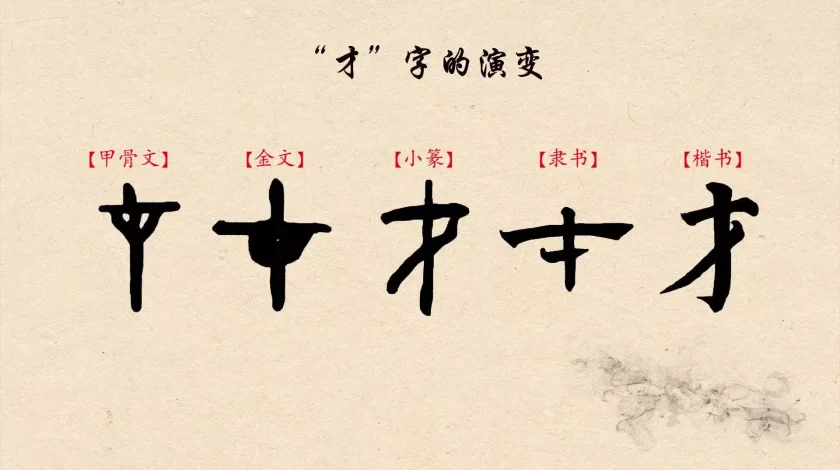
The roots of Chinese literature can be traced back to ancient times, with its origins intertwined with China’s earliest civilizations. The earliest form of Chinese writing appeared during the Shang Dynasty (1600–1046 BCE) on oracle bones, used for divination. This script later evolved into a more formalized system of characters.

Classical Chinese literature began with the Confucian and Daoist philosophical texts, notably the I Ching (Book of Changes) and the Tao Te Ching by Laozi. These texts laid the foundations for Chinese thought and literature, emphasizing themes like morality, harmony with nature, and the search for wisdom.

By the Zhou Dynasty (1046–256 BCE), Chinese literature began to flourish, especially with the creation of poetry and historical records. The Shijing (Book of Songs), a collection of poems dating back to the Zhou period, represents one of the oldest examples of Chinese literature. This was followed by the Warring States period (475–221 BCE), when notable philosophers like Confucius and Zhuangzi contributed to both philosophical and literary traditions.

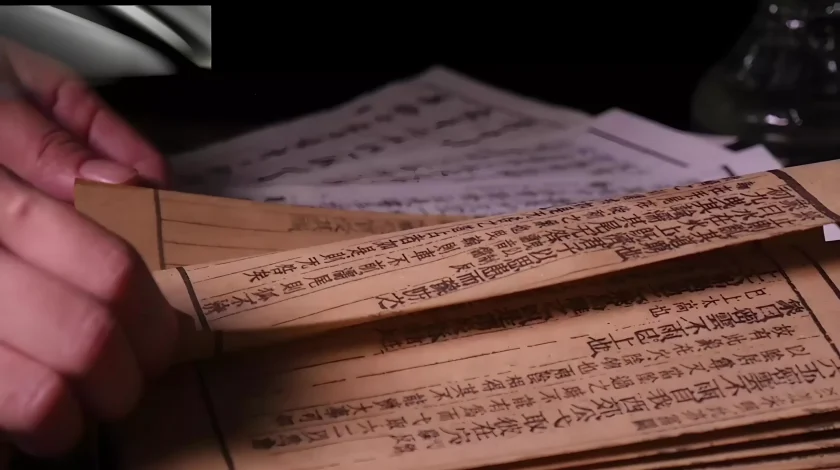
The Han Dynasty (206 BCE – 220 CE) saw the formation of historical records and the rise of great works like Sima Qian’s “Records of the Grand Historian”, which laid the groundwork for Chinese historiography. The imperial examinations introduced during this period also encouraged literacy and the creation of scholarly works.

Chinese Literature

The Current State of Chinese Literature

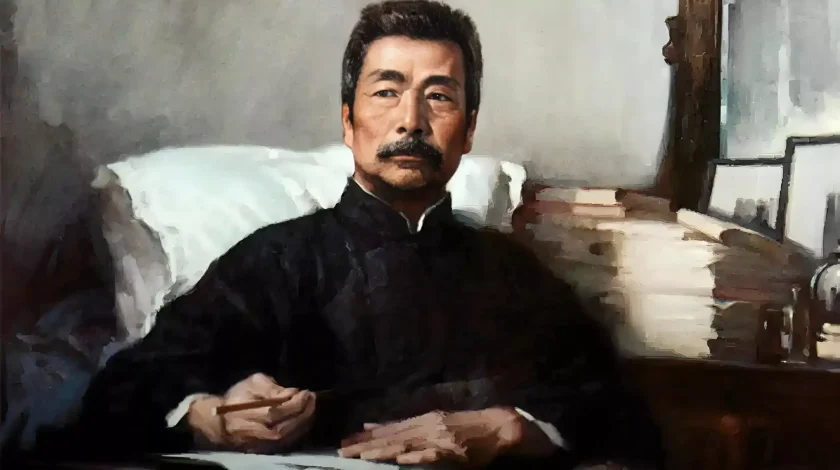
Today, Chinese literature has evolved into a dynamic and diverse field that includes a blend of ancient traditions and contemporary innovations. Modern Chinese literature began in the early 20th century, heavily influenced by political changes, such as the May Fourth Movement (1919), which advocated for modernization and the use of the vernacular language in literature. Writers like Lu Xun, often considered the father of modern Chinese literature, critiqued society through works like A Madman’s Diary and The True Story of Ah Q.

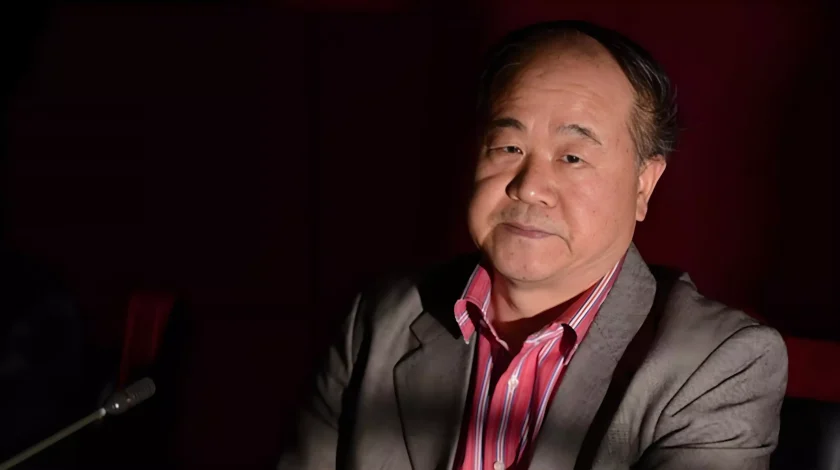
Since the 1980s, with the opening up of China’s economy and cultural exchanges, Chinese literature has continued to develop. Contemporary authors such as Mo Yan, who won the Nobel Prize in Literature in 2012, and Yu Hua, known for his works on the Cultural Revolution, offer insights into the struggles of modern China.

Today, Chinese literature is increasingly being translated and read internationally. Writers like Ha Jin, Yiyun Li, and Xiaolu Guo bring stories from China to the world, exploring themes like migration, identity, and social change in a rapidly transforming society.

Chinese Literature
Chinese Literature

The Classification of Chinese Literature

Chinese literature can be classified into several major categories, based on its style, form, and purpose. These classifications reflect the wide variety of genres and the long history of Chinese writing.

  • Classical Chinese Poetry: Chinese poetry has been one of the most enduring forms of literary expression, with works spanning from the Shijing (Book of Songs) to the celebrated Tang poetry, including poets like Li Bai and Du Fu. Poetry remains central to Chinese literary culture, with poems often reflecting deep emotions, natural beauty, and philosophical reflections.

  • Prose and Historical Writing: Classical Chinese prose includes both historical records, such as Sima Qian’s “Records of the Grand Historian”, and philosophical writings. This genre reflects China’s long history of governance, philosophy, and wisdom.

  • Fiction: The classical Chinese novel is another significant category, with well-known works like the “Four Great Classical Novels” of Chinese literature: Journey to the West, Water Margin, Romance of the Three Kingdoms, and Dream of the Red Chamber. These novels blend elements of history, mythology, and fiction, with rich characterizations and moral themes.

  • Modern Chinese Literature: Modern literature began to emerge in the early 20th century, with the advent of short stories, novels, and plays written in vernacular Chinese. This category includes works by Lu Xun, Ba Jin, and Qian Zhongshu, among others, reflecting the social, political, and cultural changes of modern China.

  • Contemporary Chinese Literature: The post-1980s literary scene is marked by a mixture of traditional and modern themes, with writers exploring personal identity, social upheaval, and the effects of China’s rapid modernization. Authors like Mo Yan and Yu Hua are prominent in this category.

Chinese Literature

The Influence of Chinese Literature on World Literature

Chinese literature has had a profound impact on world literature, both historically and in the contemporary era. In ancient times, Chinese writings influenced neighboring countries such as Japan, Korea, and Vietnam, where Chinese characters were used in writing, and Chinese literature shaped local literary traditions. The Confucian and Daoist texts have had a lasting philosophical influence on East Asia, shaping moral thought, governance, and literature.

During the Tang and Song Dynasties, Chinese poetry influenced poets in Japan, Korea, and beyond. Japanese haiku, for example, has its roots in the style of Chinese classical poetry.

In the 20th and 21st centuries, Chinese literature has gained recognition worldwide, thanks in part to translations of major works. Nobel laureate Mo Yan‘s works, like Red Sorghum, offer readers a look into China’s history and the human condition. The rise of authors such as Yu Hua and Ha Jin has brought Chinese literary narratives to a global stage, addressing themes like cultural identity, political oppression, and the challenges of modernization.

Additionally, Chinese literature’s influence can be seen in its literary styles, such as the focus on symbolism, allegory, and the blending of reality with the supernatural. The emphasis on philosophical reflection, in both classical and modern works, has made Chinese literature an essential part of global literary discourse.

Chinese literature, with its rich history and diverse forms, has played a significant role in shaping the literary traditions of the world. From its ancient philosophical texts to its modern works, it offers deep insights into Chinese culture, history, and society. As Chinese literature continues to evolve and gain recognition globally, it remains a vital force in the exchange of ideas and stories that transcend cultural boundaries, influencing writers, thinkers, and readers worldwide.

Want a More Personalized Best China Tour?

Talk to us about booking a private or custom tour for your unique China experience.
Yunnan Exploration Tour: Covering Kunming, Dali, Lijiang, Tiger Leaping Gorge and Shangri-LaTiger Leaping Gorge 9 Days

Yunnan Exploration Tour: Covering Kunming, Dali, Lijiang, Tiger Leaping Gorge and Shangri-La

This 9-day immersive Yunnan exploration tour takes you through Southwest China’s most iconic and beloved destinations, including vibrant Kunming, cultural Dali, scenic Lijiang, jaw-dropping Tiger Leaping Gorge, and mystical Shangri-La. Handpicked to deliver the best possible travel experience, this carefully curated itinerary offers unbeatable value at competitive prices, alongside fully trusted, secure payment processing that lets you focus entirely on soaking up Yunnan’s stunning natural landscapes and rich, one-of-a-kind local culture.

Top Highlights of China Tour Including Yangtze (Private Customized)Great Wall 13 Days

Top Highlights of China Tour Including Yangtze (Private Customized)

This 13-day private customized tour brings you all of China’s most unforgettable top highlights, spanning 7 incredible destinations including the ancient cultural capitals of Beijing and Xi’an, Guilin’s dramatic karst scenery, and a scenic cruise along the world-famous Yangtze River, ending in dynamic Shanghai. Carefully curated to deliver an exceptional experience at an unbeatable price, this fully tailorable itinerary comes with secure, trusted payment processing, giving you peace of mind for a seamless, hassle-free trip through China’s most iconic sites.

Tailor-Made 8-Day Yunnan Tour Exploring Ethnic Minority Culture, Daily Departures (Private)Golden Temple 8 Days

Tailor-Made 8-Day Yunnan Tour Exploring Ethnic Minority Culture, Daily Departures (Private)

This 8-day fully private, tailor-made Yunnan tour is crafted for travelers eager to dive into the unique traditions and vibrant lifestyles of China’s diverse ethnic minority groups, with the convenience of guaranteed daily departures to match your preferred travel timeline. Curated to cover iconic cultural stops across the region starting from Kunming, this bespoke experience stands out for its carefully selected attractions, unbeatable pricing, and secure trusted payment processing, delivering a seamless, personalized adventure tailored just for you.

Tailor-Made 8-Day Private Yunnan Tour to Explore Minority Culture, Daily DeparturesGolden Temple 8 Days

Tailor-Made 8-Day Private Yunnan Tour to Explore Minority Culture, Daily Departures

Perfect for curious cultural travelers, this 8-day fully private and customizable Yunnan tour centers on immersive exploration of vibrant local minority culture, with convenient daily departures that fit any travel schedule. Curated to deliver a seamless, top-tier experience, this personalized trip visits iconic cultural stops across Yunnan including Kunming and Lijiang, and comes with competitive great-value pricing and trusted, secure payment options to ensure a stress-free booking and journey.

Signature Highlights Tour of Southwest ChinaTiger Leaping Gorge 13 Days

Signature Highlights Tour of Southwest China

This 13-day signature highlights tour of Southwest China curates the region’s most iconic can’t-miss destinations, guiding you through dynamic Hong Kong, scenic cultural hubs Kunming and Lijiang, awe-inspiring Tibet, and ancient imperial treasure city Xi’an. Carefully handpicked to showcase the very best of southwest China, this great-value tour boasts unbeatable pricing and fully secure, trusted payment processes to give you total peace of mind for your cross-region adventure.

Incredible 8-Day Yunnan Tour: Kunming, Red Land, Jianshui, YuanyangKunming 8 Days

Incredible 8-Day Yunnan Tour: Kunming, Red Land, Jianshui, Yuanyang

Experience the breathtaking natural and cultural highlights of southwest China’s Yunnan on this carefully curated 8-day tour, starting from provincial capital Kunming before visiting the vivid crimson Dongchuan Red Land, historic Jianshui, and the world-famous misty terraced rice fields of Yuanyang. This expert-selected itinerary is crafted to showcase the best of Yunnan’s one-of-a-kind scenery, delivered at unbeatable value with the best possible price, plus secure, trusted payment processing to guarantee a smooth, worry-free booking experience for your dream getaway.

Video Testimonials

10 Best Chinese Books of All Time (by 10 Greatest Chinese Authors)

The secrets behind how Chinese characters work

Customized China Tours Tailored Just for You