Traditional Chinese Medicine
Traditional Chinese Medicine is a complex and ancient system of healing that offers a holistic approach to health. While it may seem unfamiliar or unscientific from a Western perspective, TCM has been practiced for thousands of years and continues to benefit millions of people around the world. By understanding its core principles, how it improves health, and the methods it uses, individuals can better appreciate the value of TCM as a complementary healthcare system. Whether through acupuncture, herbal medicine, or other therapies, TCM remains an important part of global healthcare practices today.
Is Traditional Chinese Medicine a Scam?
One of the most common criticisms of Traditional Chinese Medicine (TCM) is that it is a form of pseudoscience, often labeled a “scam” by skeptics. This skepticism stems from the fact that many of TCM’s principles and treatments are based on ancient ideas that do not always align with modern scientific understanding. However, it is important to distinguish between the criticisms based on misunderstandings of TCM and the reality of how it is practiced today.
While certain aspects of TCM, such as its diagnostic methods and the way it views disease, may seem unscientific from a Western perspective, there is a growing body of research that suggests many TCM practices, particularly acupuncture and herbal medicine, have therapeutic effects. Numerous studies have shown positive outcomes for conditions like chronic pain, digestive disorders, and mental health issues when treated with TCM. Moreover, TCM has been practiced for thousands of years, suggesting that it holds value for those who believe in its principles and have benefited from its treatments.
It’s essential to approach TCM with an open but critical mind. Just as with any medical system, there are practitioners who may misuse or over-sell treatments, but this does not make the entire field fraudulent. Like Western medicine, TCM requires proper training, regulation, and evidence-based practices to ensure that patients receive safe and effective treatments.
The Theories Behind Traditional Chinese Medicine
Traditional Chinese Medicine is based on a holistic approach to health, focusing on the balance and flow of energy (qi) within the body. It combines philosophy, observation, and experiential knowledge. Here are some core concepts of TCM:
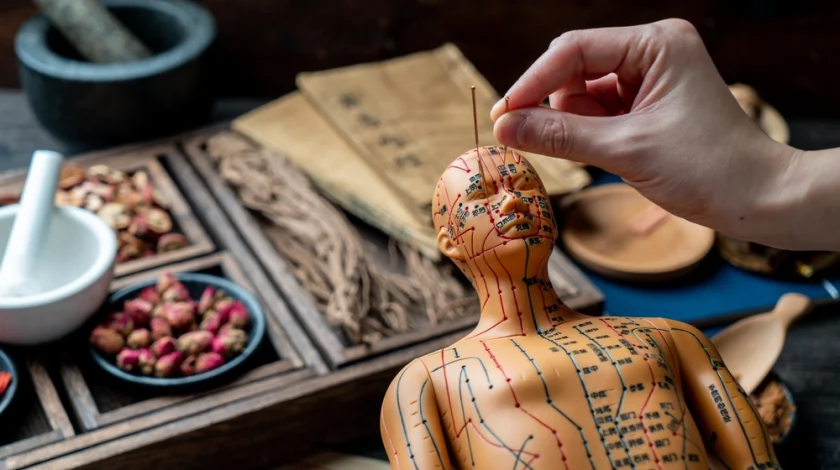
Qi (Vital Energy): Central to TCM is the concept of qi, the life force that flows through the body along pathways called meridians. Health is seen as a harmonious flow of qi, while illness is believed to occur when this flow is blocked or unbalanced.
Yin and Yang: Another foundational principle in TCM is the concept of yin and yang, which represents the dualistic nature of the universe. Yin and yang are opposite but complementary forces, and balance between them is essential for good health. For instance, too much “yin” (cold, passive, and feminine) can lead to conditions like fatigue or depression, while too much “yang” (hot, active, and masculine) can cause irritability or inflammation.
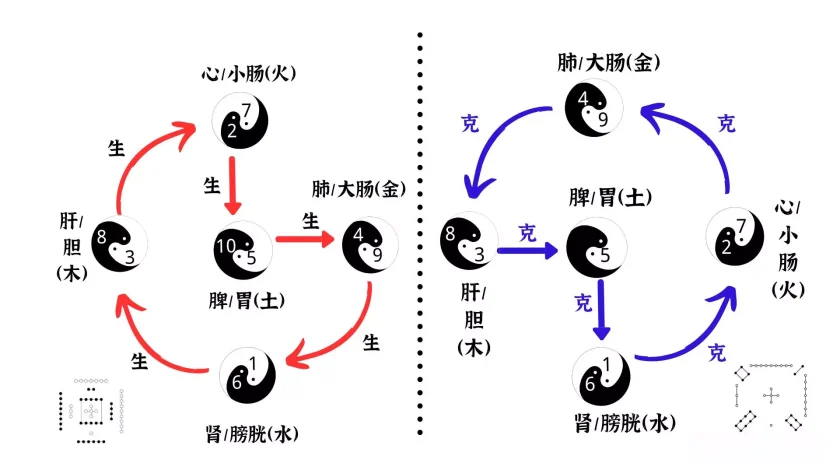
Five Elements (Wu Xing): TCM also incorporates the Five Elements theory, which includes Wood, Fire, Earth, Metal, and Water. Each element is associated with specific organs, emotions, and seasons. For example, the Wood element is linked to the liver, and imbalances in the liver may manifest as anger or frustration. The Five Elements theory helps diagnose and treat conditions by assessing which element is out of balance.
Zang-Fu Organs: TCM categorizes organs into two groups: the zang (solid) organs and fu (hollow) organs. These organs are not only responsible for physical processes but also have emotional and energetic connections. For example, the heart (a zang organ) is associated with joy, while the lungs (also a zang organ) are connected to grief. Disruptions in the energetic functions of these organs can lead to both physical and emotional ailments.
How Does Traditional Chinese Medicine Improve Health?
Traditional Chinese Medicine promotes health by focusing on the body’s balance and its ability to self-regulate. Here’s how TCM works to enhance health:
Restoring Balance: At the heart of TCM is the idea of restoring balance within the body. By adjusting the flow of qi, regulating the yin-yang balance, and harmonizing the Five Elements, TCM helps bring the body back to a state of equilibrium. For example, acupuncture or herbal remedies may be used to correct blockages in the flow of qi, which can result in pain, fatigue, or other symptoms.
Preventive Care: TCM emphasizes the importance of maintaining health before problems arise. This approach encourages regular practices such as qigong (a form of meditative exercise), tai chi, and dietary adjustments to strengthen the body’s natural defenses. Prevention is seen as a crucial part of TCM philosophy, as maintaining harmony in the body’s energies can reduce the risk of disease.
Individualized Treatment: Unlike Western medicine, which often uses a one-size-fits-all approach, TCM focuses on the uniqueness of each individual. Treatments are highly personalized, taking into account a person’s physical, emotional, and environmental conditions. For example, two people with the same symptoms may receive different treatments based on their overall health patterns and energetic imbalances.
Integrative Approach: TCM does not treat the disease in isolation but looks at the whole person, including their lifestyle, diet, emotions, and environment. By treating the root cause of an illness rather than just alleviating symptoms, TCM works toward long-term healing. It can also be integrated with modern Western medicine to enhance overall treatment outcomes.

Common Traditional Chinese Medicine Treatments
TCM offers a range of treatments designed to restore balance and improve health. Some of the most commonly used methods include:
Acupuncture: Acupuncture involves inserting thin needles into specific points on the body to stimulate the flow of qi. It is often used to relieve pain, improve circulation, and treat various conditions such as headaches, arthritis, and digestive problems. Acupuncture is one of the most widely recognized TCM treatments worldwide and has been studied extensively for its therapeutic effects.
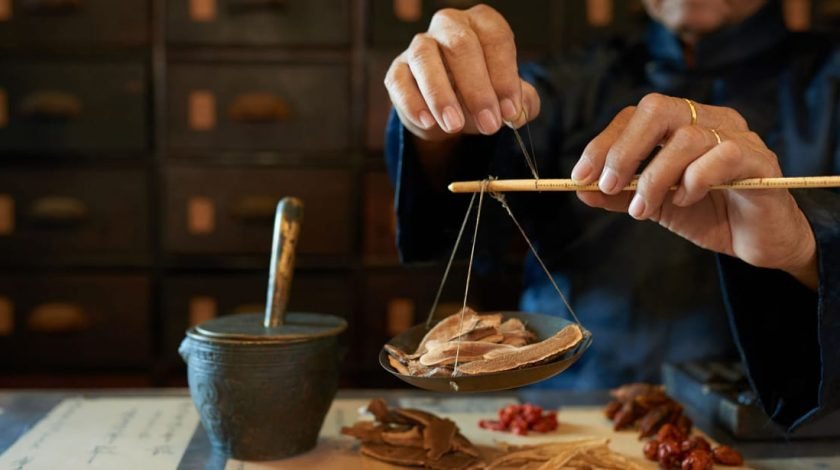
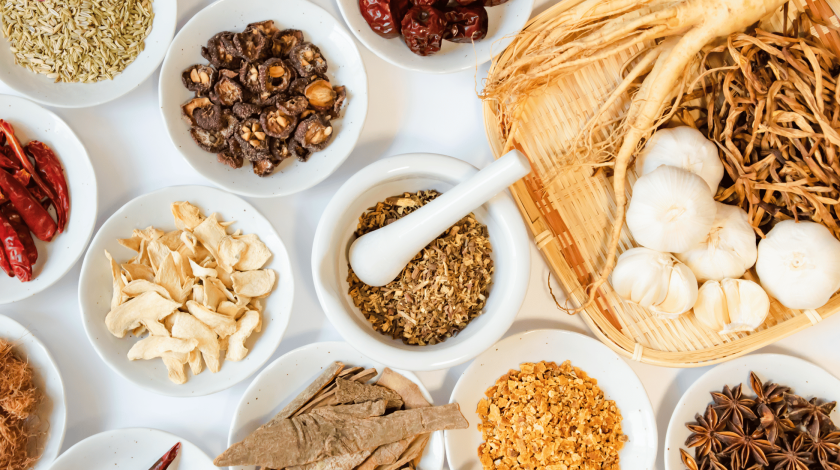
Herbal Medicine: Chinese herbal medicine uses plants, minerals, and animal products to restore balance in the body. Herbal formulas are often tailored to the individual’s condition and constitution. Common herbs include ginseng, ginger, and astragalus, which are used for boosting energy, improving digestion, and enhancing immunity.
Cupping Therapy: Cupping involves placing special glass or bamboo cups on the skin to create a vacuum. This therapy is believed to improve circulation, relieve muscle tension, and remove toxins from the body. It is commonly used for conditions like back pain, respiratory issues, and even stress.
Moxibustion: Moxibustion is a treatment that involves the burning of mugwort (a type of herb) near specific acupuncture points. The heat from the burning herb is believed to stimulate circulation and the flow of qi, helping to treat conditions such as cold, pain, and digestive issues.
Qigong: Qigong is a form of gentle exercise that combines movement, breath control, and meditation to balance the flow of energy in the body. Regular practice of qigong can enhance flexibility, reduce stress, improve circulation, and boost the immune system.
Tui Na (Chinese Massage): Tui Na is a therapeutic form of massage that incorporates the principles of acupuncture and traditional Chinese medicine. It is used to promote the flow of qi, relieve pain, and improve overall health.
Dietary Therapy: In TCM, food is seen as a powerful medicine. Certain foods are believed to have specific properties that can affect the balance of yin and yang in the body. For example, warm foods like soups and stews are recommended for people with cold-related imbalances, while cooling foods such as watermelon may be used for heat-related conditions.

Traditional Chinese Medicine is a complex and ancient system of healing that offers a holistic approach to health. While it may seem unfamiliar or unscientific from a Western perspective, TCM has been practiced for thousands of years and continues to benefit millions of people around the world. By understanding its core principles, how it improves health, and the methods it uses, individuals can better appreciate the value of TCM as a complementary healthcare system. Whether through acupuncture, herbal medicine, or other therapies, TCM remains an important part of global healthcare practices today.