








Discovering Feng Shui in Ancient Chinese Architecture and Gardens

Feng Shui

Feng Shui (风水), the ancient Chinese practice of harmonizing spaces with nature, is deeply rooted in the design of China’s historical buildings and classical gardens. These architectural masterpieces not only reflect aesthetic beauty but also embody profound philosophical principles aimed at achieving balance and prosperity. For travelers, exploring these iconic sites offers a firsthand experience of how Feng Shui principles have shaped China’s cultural and architectural heritage.

15 Best Places to Visit in China (2025 & 2026)
The Best Times to Visit China: A Month-by-Month Guide for Travelers
Chinese Food Culture:A rich tradition of diversity and balance in cuisine.
Discover China with Professional Tour Guides from HelloChinaTrip
Top Souvenirs to Buy in China
How to Use Your Phone in China: SIM Cards, International Roaming, and Free Wi-Fi Options

The Role of Feng Shui in Ancient Chinese Architecture

Chinese architecture has always prioritized harmony between human-made structures and the natural environment. Feng Shui principles guided decisions on site selection, orientation, spatial arrangement, and the use of natural elements to create a balanced flow of Qi (气).

Key Applications in Ancient Chinese Architecture

  1. Orientation and Layout
    Feng Shui emphasizes the importance of directional alignment. Buildings were often oriented to face south, symbolizing warmth and prosperity, while their backs were protected by mountains or higher ground.

  2. Central Axis Symmetry
    The concept of symmetry and balance is crucial in Feng Shui. Many ancient buildings, including imperial palaces and temples, are designed along a central axis, symbolizing order and stability.

  3. Integration with Nature
    Structures were harmonized with their surroundings, such as rivers, mountains, and trees, to optimize the flow of Qi. Elements like water channels and courtyards were incorporated to enhance positive energy and ensure ventilation and natural light.

Feng Shui in Famous Ancient Buildings

1. The Forbidden City (紫禁城), Beijing

As one of the most iconic examples of Feng Shui in architecture, the Forbidden City exemplifies meticulous planning:

  • South-North Orientation: The palace faces south, welcoming positive energy (Yang), while mountains to the north provide protection.
  • Symmetrical Layout: The central axis ensures balance and order, with the most important buildings located at the heart of the complex.
  • Water Features: The Golden Water River, flowing through the palace grounds, enhances the flow of Qi.

2. The Temple of Heaven (天坛), Beijing

This UNESCO World Heritage Site is a masterpiece of Feng Shui, designed for rituals connecting heaven and earth:

  • Circular and Square Elements: The circular shape of the Hall of Prayer for Good Harvests represents heaven, while the square base symbolizes earth, reflecting harmony between cosmic forces.
  • Alignment with Nature: The temple’s layout aligns with cardinal directions, ensuring the site channels auspicious energy during ceremonies.

3. The Summer Palace (颐和园), Beijing

This imperial garden integrates Feng Shui principles to create a harmonious retreat:

  • Kunming Lake and Longevity Hill: The lake symbolizes abundance, while the hill provides protection, embodying the classic “mountain and water” balance.
  • Pavilions and Bridges: Structures are placed to guide Qi through the landscape, encouraging peace and prosperity.

Feng Shui in Classical Chinese Gardens

Chinese gardens are microcosms of nature, meticulously designed to evoke tranquility and harmony. They reflect the principles of Feng Shui by balancing natural elements, spatial arrangement, and symbolic features.

Key Features of Feng Shui in Chinese Gardens

  1. Water Features
    Water represents wealth and abundance in Feng Shui. Streams, ponds, and lakes are strategically placed to guide the flow of Qi and create a calming ambiance.

  2. Rocks and Mountains
    Rock formations symbolize strength and stability, often representing protective mountains in miniature form. These are placed to create visual balance and anchor the energy of the space.

  3. Pathways and Bridges
    Curved pathways and arched bridges slow down Qi, allowing it to meander gracefully, much like a flowing river. This promotes a sense of peace and introspection.

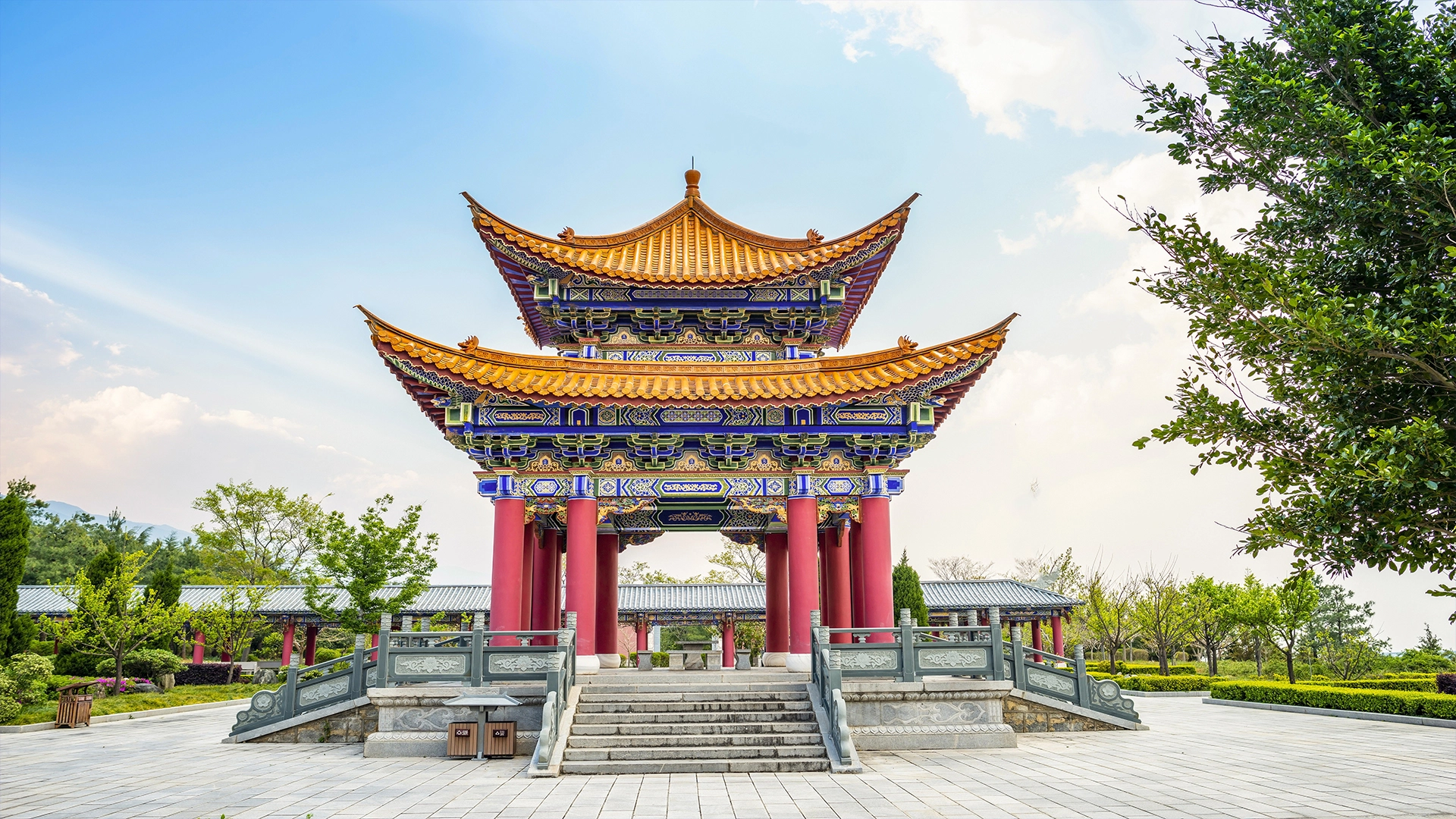
  4. Pavilions and Corridors
    Structures within the garden, such as pavilions and walkways, are positioned to frame views, encouraging visitors to pause and appreciate the harmonious environment.

Famous Feng Shui Gardens to Visit

1. Humble Administrator’s Garden (拙政园), Suzhou

One of China’s most famous classical gardens, it perfectly embodies Feng Shui principles:

  • Water-Centric Design: Ponds and streams dominate the landscape, creating a soothing, balanced environment.
  • Pavilion Placement: Structures are arranged to offer varying perspectives of the garden’s natural beauty.
  • Rock Features: Intricate rockeries emulate mountainous landscapes, promoting stability and harmony.

2. Lingering Garden (留园), Suzhou

Known for its elegant design, this garden highlights:

  • Pathway Design: Meandering paths lead visitors through secluded spaces, allowing Qi to flow gently.
  • Symbolic Rockeries: Carefully placed rocks represent mountains, anchoring the garden’s energy.

3. Yuyuan Garden (豫园), Shanghai

This historic garden, located in the bustling heart of Shanghai, offers a tranquil escape with:

  • Curved Bridges and Pools: These slow the movement of Qi, encouraging serenity.
  • Dragon Wall: Decorative walls shaped like dragons channel auspicious energy and protect the garden.

Practical Tips to Experience Feng Shui During Your Visit

  1. Observe Symmetry and Balance:
    Pay attention to how buildings, gardens, and water features are aligned to create harmony. Notice the symmetrical layouts and central axes in palaces and gardens.

  2. Feel the Flow of Qi:
    Walk through gardens and historical sites with an awareness of how space and design guide your movement and emotions. Curved paths and open courtyards are designed to foster peace and reflection.

  3. Engage with Local Experts:
    Some historical sites offer guided tours led by Feng Shui practitioners who explain the principles behind the design.

  4. Visit Feng Shui Shops:
    In cities like Beijing, Shanghai, and Hong Kong, you’ll find stores selling Feng Shui artifacts like wind chimes, mirrors, and crystals, allowing you to bring a piece of this cultural heritage home.

Why Feng Shui Still Matters Today

Feng Shui is not just an ancient practice; it remains relevant in modern urban planning, architecture, and interior design. It emphasizes the importance of living in harmony with nature, creating spaces that promote health, happiness, and prosperity.

By exploring China’s historical landmarks and gardens, visitors can gain a deeper appreciation for the profound wisdom embedded in Chinese culture. These sites are not merely tourist attractions—they are living examples of how humans can coexist harmoniously with the environment.

For more insights into Chinese culture and travel tips, visit HelloChinaTrip.com. Let us guide you on a journey to uncover the timeless art of Feng Shui in China!

Want a More Personalized Best China Tour?

Talk to us about booking a private or custom tour for your unique China experience.

Explore Some of Our Most Loved Travel Itineraries

Travel Memories

Video Testimonials

Decoding Ancient Chinese Gardens - Trailer

Unveiling the Magnificence of Chinese Architecture

Testimonials

Placeholder Image
China Travel, China Customized Travel, China Travel Package

Signage improvement

Whenever I want to exit the metro into a mall, there is no signage to tell me which exit I should use. All exitspoint to above ground road name. Its just not one city, it’s every city in China the metro signage is like that. For a foreigner, I just want to get to the mall. Also there is no big map at the station indicating the exit goes to where. I hope metro stations all over China especially major cities can improve on the metro exit signage.

Mun Hau chun

Jan 31, 2026

Winter Tour

We joined the China Winter Tour to Harbin for the Ice Festival. It was spectacular! The snow sculptures were breathtaking, and our guide, Tom , made sure we stayed warm and comfortable. The hotpot dinner was the perfect end to our icy day. Highly recommended for winter lovers!

Sofia

Nov 15, 2024

A Memorable Great Wall Experience!

We booked the Great Wall of China Tour with HelloChinaTrip, and it exceeded our expectations! From the moment we started in Beijing, our guide, Emily, made every step of the journey engaging and informative. Visiting both the Mutianyu and Jinshanling sections allowed us to experience the Wall’s grandeur in a relaxed, unhurried way. The hidden historical stories shared by Emily made the tour unforgettable. We also enjoyed delicious local meals along the way, thanks to their excellent recommendations. Truly a once-in-a-lifetime experience!
 

Alexandra

Nov 10, 2024

A Dream Family Vacation!

Our Family Tour with HelloChinaTrip was phenomenal! We explored Shanghai, Hangzhou, and Suzhou over 10 days, and everything was perfectly organized. Special thanks to our guide, Lily , who was patient and fantastic with the kids, keeping them entertained and engaged with fascinating stories. The itinerary was a perfect mix of history, culture, and fun activities. We especially loved the boat ride on West Lake. This trip created lasting family memories we’ll cherish forever!

Oliver

Nov 2, 2024

Incredible Silk Road Adventure

We embarked on a 12-day Silk Road Tour, and every moment was magical. From Dunhuang’s Mogao Caves to Kashgar’s bustling markets, the journey was packed with highlights. Our guide, Michael , was passionate and knowledgeable, providing insights that brought ancient history to life. The accommodations were excellent, and the transportation was seamless. This tour gave us a profound appreciation for China’s rich cultural tapestry. Highly recommend!

Nadia

Oct 28, 2024

Yangtze River Cruise – Truly Unforgettable!

The Yangtze River Cruise with HelloChinaTrip was an experience we’ll never forget. The 5-day journey aboard the luxury vessel was comfortable and well-planned. Our guide, Jason, shared stories about the Three Gorges that added depth to the stunning scenery. The onboard activities and meals were excellent, and every detail was taken care of. This was the highlight of our trip to China!

Liam K

Oct 17, 2024

A Magical Panda Tour!

Our Panda Tour in Chengdu was everything we hoped for! We visited the Giant Panda Breeding Research Base, and our guide, Sophia , provided fascinating insights into panda conservation efforts. Watching the pandas play and feed was heartwarming. The tour also included some wonderful stops at local temples and markets. An unforgettable day that connected us deeply with China’s wildlife and culture.

Mariko

Oct 15, 2024

Tibet Tour

Our 8-day Tibet Tour with HelloChinaTrip was an extraordinary journey. From the Potala Palace to the stunning Namtso Lake, every site was awe-inspiring. Our guide, Tenzin , was knowledgeable and deeply connected to his culture, sharing stories that made our visit to Tibet incredibly personal. The logistics were seamless, and we felt well taken care of in this remote region. A once-in-a-lifetime adventure!

Samuel

Oct 10, 2024

Nature Tour of Guilin

Our nature tour through Guilin and Yangshuo was beyond beautiful. The Li River cruise and the hike through the Longji Rice Terraces were the highlights. Our guide, Leo , knew every hidden viewpoint and local story. The stunning landscapes and warm hospitality made this an unforgettable trip.

Isabella

Oct 5, 2024
Customized China Tours Tailored Just for You