Chinese Festivals and Events
Chinese festivals are important celebrations deeply influenced by traditional culture, reflecting values of family reunion, respect for ancestors, and the desire for happiness and prosperity.
What are the Main Chinese Festivals and Events?
China is home to a variety of traditional festivals and events that reflect the country’s rich cultural heritage. These celebrations are deeply rooted in history, customs, and family traditions. Here are some of the most significant festivals:
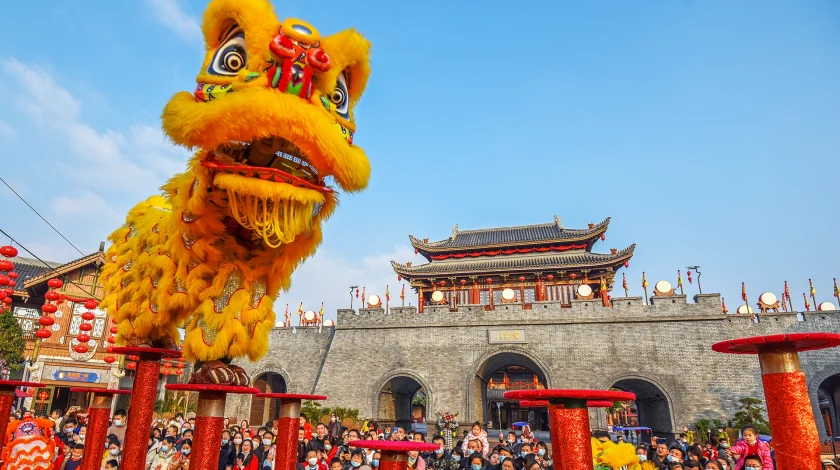
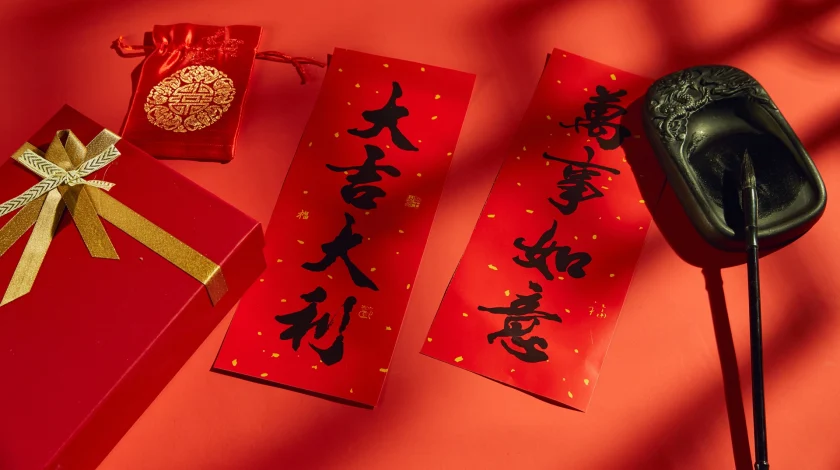
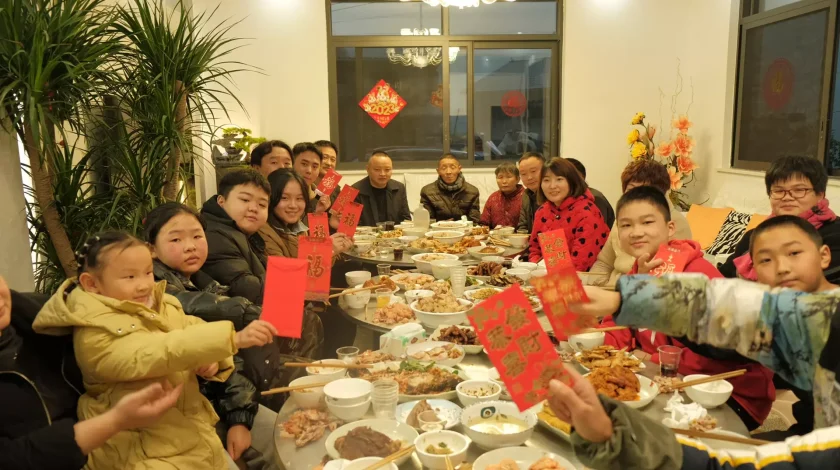
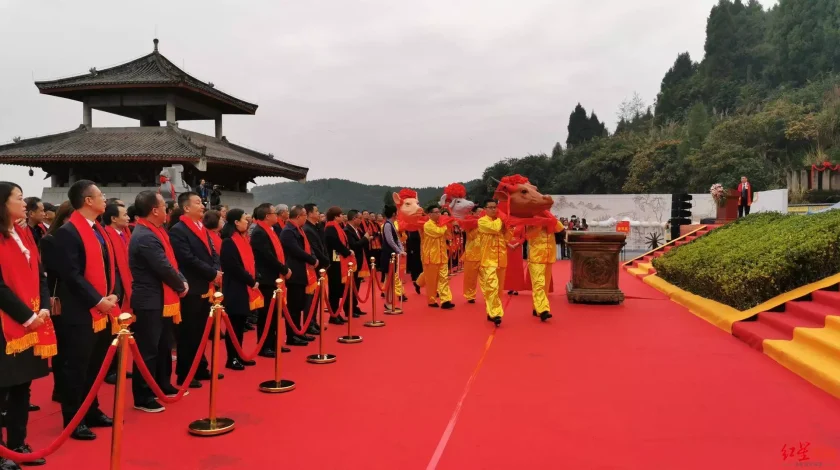
Chinese New Year (Spring Festival): The most important festival in China, Chinese New Year usually falls between January and February, depending on the lunar calendar. It marks the beginning of the lunar new year and is a time for family reunions. People celebrate with big family dinners, giving red envelopes (hongbao) containing money, setting off fireworks, and enjoying cultural performances. The Chinese zodiac animals are also associated with the new year, with each year representing one of the 12 zodiac signs.
Mid-Autumn Festival: Celebrated on the 15th day of the 8th lunar month (usually in September), the Mid-Autumn Festival honors the harvest and the moon. Families gather to admire the full moon, which symbolizes unity and harmony. One of the most famous traditions is the sharing and eating of mooncakes, a pastry filled with sweet or savory fillings, symbolizing family unity.
Dragon Boat Festival (Duānwǔ Jié): Held on the 5th day of the 5th lunar month (usually June), this festival is famous for its dragon boat races and the consumption of zongzi (sticky rice wrapped in bamboo leaves). The holiday commemorates the poet and statesman Qu Yuan, who drowned himself in protest against corruption. People race dragon boats and eat zongzi to honor his memory.
Qingming Festival (Tomb-Sweeping Day): Occurring on April 4th or 5th, Qingming is a time for families to pay respects to their ancestors by cleaning their graves and offering food and incense. It is also a time for spring outings, with many people taking advantage of the holiday to enjoy the outdoors.
Double Ninth Festival (Chongyang Festival): Celebrated on the 9th day of the 9th lunar month (October), this festival focuses on honoring the elderly and preventing illness. It’s also known for its custom of climbing mountains and eating chrysanthemum wine, as the number 9 symbolizes longevity and vitality in Chinese culture.
Lantern Festival: The Lantern Festival takes place on the 15th day of the Chinese New Year celebrations, marking the end of the New Year’s festivities. The highlight of this festival is the display of colorful lanterns and the eating of tangyuan (sweet rice dumplings), which represent family unity and togetherness.
These festivals and their corresponding events are not only significant cultural practices but also serve as moments for family and community bonding.
What Are Some Local Festival Traditions in Major Cities and Regions?
While the major Chinese festivals are celebrated across the country, different regions and cities also host unique local events that showcase their distinct cultural traditions:
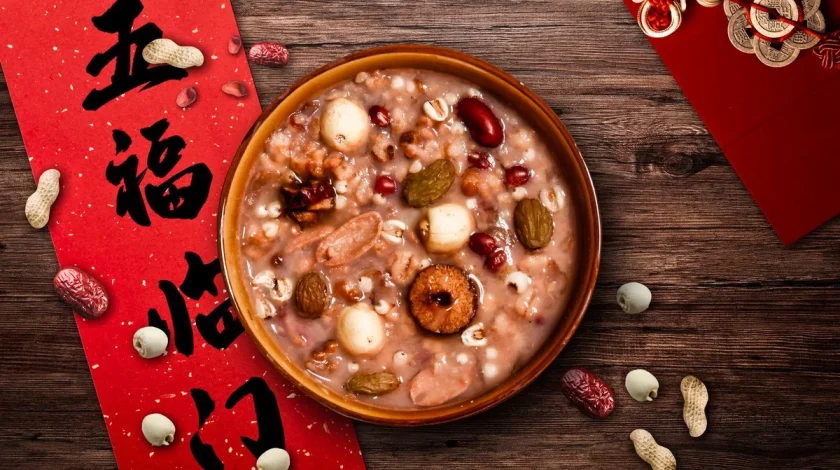
Laba Festival in Xi’an: The Laba Festival, which falls on the 8th day of the 12th lunar month, is particularly famous in Xi’an. Here, people celebrate by making Laba porridge (a sweet rice porridge made with various grains, beans, and dried fruits), which is believed to bring good health and prosperity for the coming year.
Harbin Ice and Snow Festival: Held in Harbin, the Ice and Snow Festival is one of the largest winter festivals in the world. It features stunning ice sculptures and snow sculptures, many of which are lit up at night, creating a magical atmosphere. Visitors can also enjoy ice swimming, ice fishing, and skiing during this time.
Guangzhou Flower Fair: In the days leading up to Chinese New Year, Guangzhou is home to the largest flower fair in China. The streets are lined with stalls selling a variety of flowers and plants, such as peach blossoms, chrysanthemums, and orchids, which symbolize prosperity and good fortune for the coming year.
Chongqing Hot Pot Festival: Known for its spicy cuisine, Chongqing celebrates the Hot Pot Festival in winter, inviting locals and tourists to enjoy this signature dish. The festival emphasizes the communal aspect of eating hot pot, where diners share a large pot of simmering broth filled with meats, vegetables, and chili peppers.
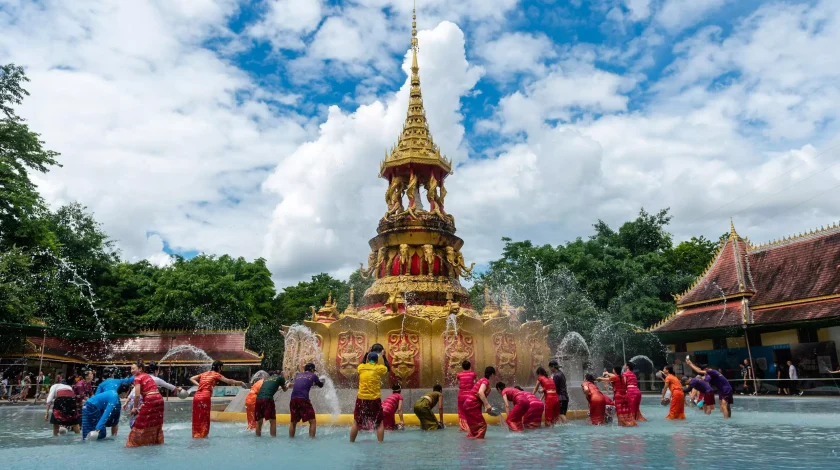
Lijiang Water Splashing Festival: In Lijiang, Yunnan, the Water Splashing Festival is celebrated by the Naxi people and other ethnic minorities. The festival, which marks the Tibetan New Year, is known for the playful custom of throwing water at one another to cleanse away bad luck and usher in good fortune. This vibrant event features traditional dancing, singing, and the wearing of beautiful ethnic costumes.
Each of these regional celebrations reflects the diversity of Chinese culture and the unique customs of various provinces and cities.
Foreign Festivals Celebrated in China
As globalization continues to shape cultural exchanges, more foreign festivals have found their way into Chinese society, particularly in large cities and among younger generations. Here are some of the most celebrated:
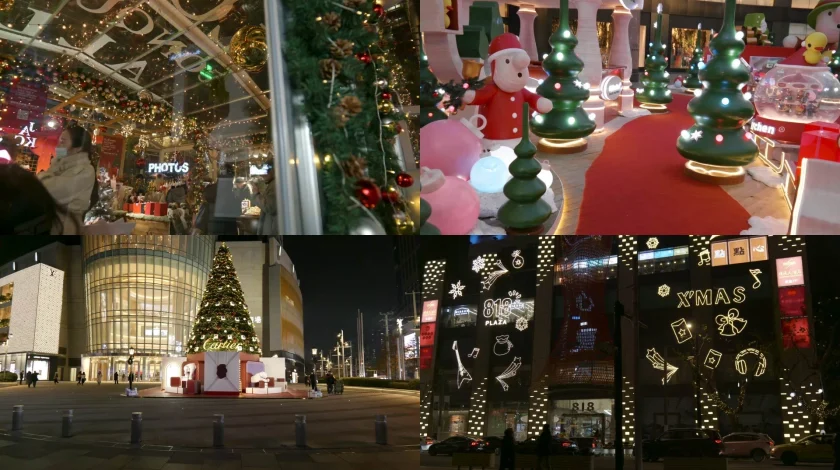
Christmas: Although Christmas is not a traditional Chinese festival, it has become widely celebrated in urban areas, especially in shopping malls, restaurants, and hotels. The holiday is marked by Christmas tree decorations, festive lights, and the exchange of gifts. While Christmas is not a public holiday in China, it has gained popularity as a commercial and social event, especially among young people and in cities like Shanghai and Beijing.
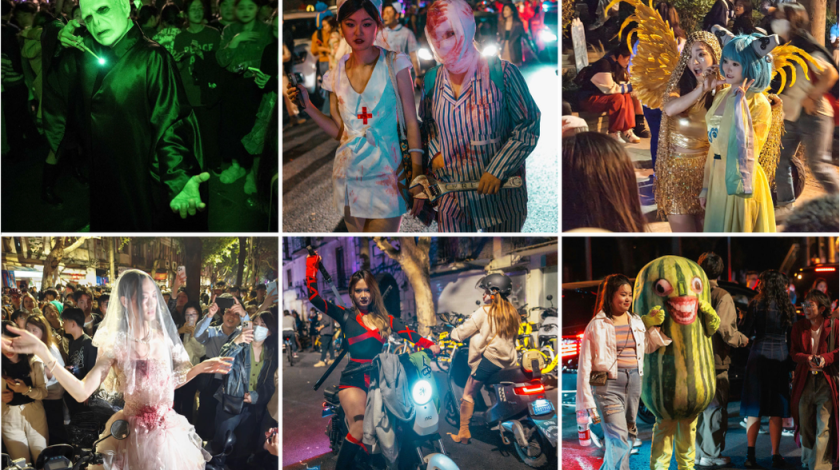
Halloween: Halloween is growing in popularity in China, particularly in major cities. Shopping malls, bars, and restaurants host Halloween-themed parties, and many people, especially teenagers, dress up in costumes for the occasion. Some urban areas even organize Halloween parades and haunted house events. However, Halloween is mostly seen as a fun, social event rather than a traditional celebration.
Valentine’s Day: Although not native to China, Valentine’s Day is widely celebrated, particularly by younger couples. The occasion is marked by the exchange of flowers, chocolates, and gifts. In cities like Shanghai and Beijing, restaurants and shops often run special promotions for couples, and many people take the opportunity to express their love.
These foreign holidays are often adopted in a commercial context, but they reflect the openness of Chinese society to global trends and the integration of international cultures into everyday life.
The Significance of Chinese Festivals
Chinese festivals are deeply intertwined with the country’s values and beliefs. Each festival carries its own symbolic meaning, often related to family, health, prosperity, and respect for ancestors.
Family and Unity: Many festivals, such as Chinese New Year and Mid-Autumn Festival, emphasize the importance of family reunion. These holidays are an opportunity for families to come together, share meals, and strengthen bonds.
Respect for Ancestors: Festivals like Qingming and Double Ninth highlight the importance of honoring the deceased and maintaining connections with one’s ancestors. It is a time to reflect on the past, express gratitude, and preserve family traditions.
Good Luck and Prosperity: Festivals often involve practices intended to bring good fortune. For example, during Chinese New Year, people clean their homes to sweep away bad luck and wear new clothes to welcome the new year with fresh hopes. The exchange of red envelopes symbolizes the wish for financial prosperity and happiness.
Cultural Heritage and Continuity: Festivals play a crucial role in passing down traditions from one generation to the next. They help young people connect with their cultural heritage and maintain a sense of identity. The preservation of ancient customs, rituals, and folklore through festivals is vital in safeguarding China’s diverse cultural landscape.
In conclusion, Chinese festivals and events are not just moments of celebration—they are vital expressions of Chinese culture, values, and identity. They are times for reflection, community bonding, and the sharing of joy and good fortune. Whether traditional or foreign, these festivals bring people together, making them an integral part of life in China.
Chinese food culture embodies a harmonious blend of diversity, tradition, and artistry. With distinct regional cuisines, rich dining etiquette, and versatile cooking techniques, it reflects the essence of Chinese values and creativity. From the shared joy of family-style meals to the mastery of iconic dishes, Chinese cuisine continues to inspire and connect people worldwide.