

What is Chinese?
The Chinese language is one of the oldest languages in the world, with over 1.3 billion speakers globally. It is part of the Sino-Tibetan language family and has been integral to Chinese culture, history, and philosophy. Whether you’re visiting bustling cities or rural towns, some familiarity with the language can make your journey smoother and more enjoyable.
Mandarin as the Common Tongue
Mandarin Chinese, or Putonghua, is the official language of China and the most widely spoken dialect. It’s taught in schools, used in media, and spoken across the country. Travelers will find Mandarin helpful for communicating in most areas, as it bridges regional language differences.
Dialects and Regional Variations
While Mandarin is dominant, China boasts a rich diversity of dialects, some of which can sound completely different from Mandarin. Cantonese is commonly spoken in Guangdong Province, Hong Kong, and Macau, while regions like Shanghai and Fujian have their own unique dialects. Knowing where these dialects are prevalent can prepare you for potential language differences during your travels.
Simplified vs. Traditional Characters
Chinese characters, known as Hanzi, are central to the language. China uses Simplified Chinese characters, which were developed in the mid-20th century to increase literacy. However, Traditional Chinese characters are still used in Hong Kong, Taiwan, and Macau. Recognizing this distinction can be helpful, especially if your trip includes these regions.
Hanzi: More Than Just Words
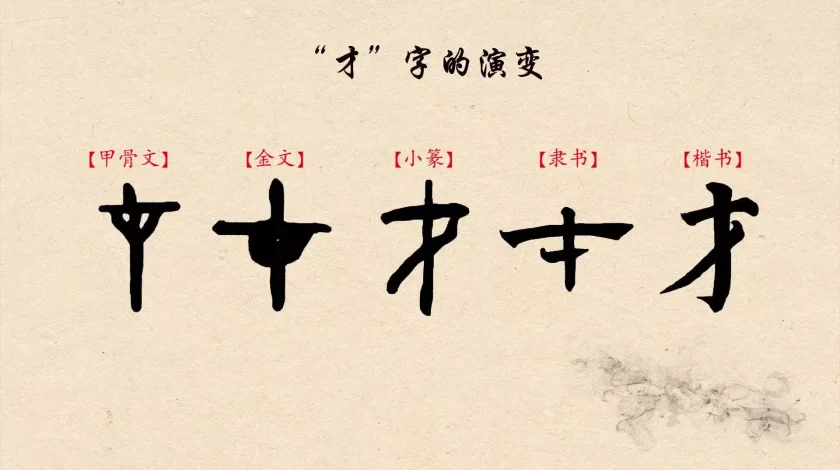
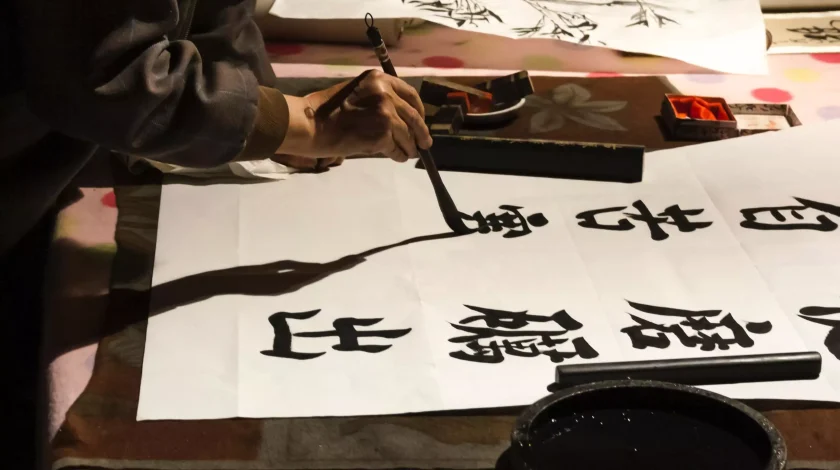
Chinese characters are not just linguistic tools—they are a form of art and cultural expression. Each character carries layers of meaning and history. For example, the character for “home” (家) is composed of elements that represent a roof and a pig, reflecting the agricultural roots of Chinese culture.
Pinyin: A Beginner’s Best Friend
For travelers new to Chinese, Pinyin is an essential tool. It’s a Romanized system of spelling Chinese words based on their pronunciation. For instance, the word “Beijing” is the Pinyin spelling of 北京. Pinyin is used on street signs, train tickets, and learning apps, making it invaluable for navigating and communicating in China.
Essential Travel Phrases
Learning a few simple phrases can go a long way in China. Here are some basics to help you get started:
Understanding Numbers
Numbers are particularly useful for bargaining in markets, ordering food, and understanding prices. Chinese numbers are simple to learn:
Using Technology
If you’re worried about miscommunication, technology can be a lifesaver. Apps like Pleco or Google Translate offer real-time translations and pronunciation guides. Some apps even allow you to scan Chinese characters for instant translations, which is useful for menus or signs.
Language Etiquette
Politeness is key when speaking Chinese. Using the word please (Qǐng, 请) and addressing people respectfully can leave a good impression. For example, addressing a shopkeeper as 老板 (Lǎobǎn, “boss”) is a friendly way to show respect.
The Role of Tone
Mandarin Chinese is a tonal language, meaning that the tone of a word can change its meaning entirely. For instance, the word mā (妈, mother) has a different tone and meaning from mǎ (马, horse). While tones can be challenging for beginners, locals often appreciate your effort, even if you make mistakes.
Engaging with Locals
Chinese people are generally warm and welcoming to visitors, especially those who attempt to speak the language. Trying even simple phrases can break the ice and create memorable interactions. For example, saying Hǎo chī! (好吃, “delicious!”) at a restaurant can delight the staff and encourage further conversation.
Understanding the basics of the Chinese language can transform your trip to China from ordinary to extraordinary. From navigating cities and rural areas with ease to connecting with locals on a deeper level, language is a powerful tool. Whether it’s learning essential phrases, using apps for assistance, or appreciating the cultural significance of Chinese characters, embracing the language will enrich your experience in this ancient and dynamic country.