

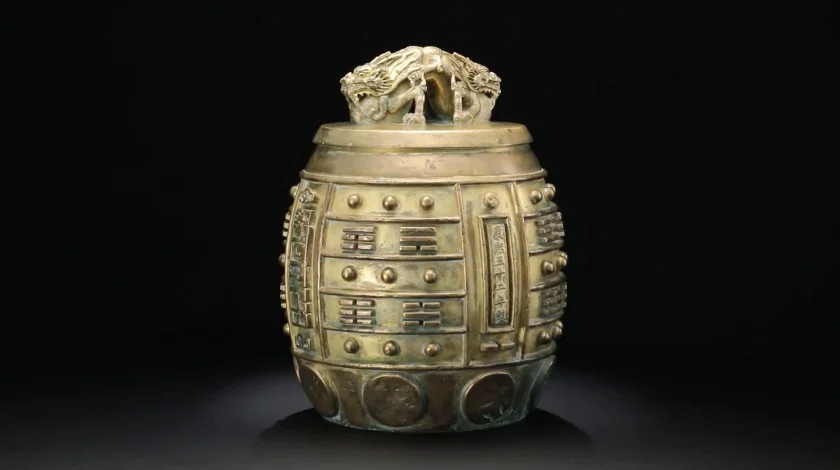

Chinese art dates back over 5,000 years, with its roots in early Neolithic cultures. Ancient China’s artistic expressions were initially influenced by spiritual and philosophical beliefs, with art playing a key role in rituals and religion. The early dynasties, particularly the Shang (1600–1046 BCE) and Zhou (1046–256 BCE) periods, marked the emergence of art forms such as bronzeware, pottery, and jade carvings. The dynastic era saw the rise of distinctive styles, including classical painting and sculpture, and many of these traditions have endured for centuries.
With each dynasty, Chinese art evolved, influenced by political shifts, cultural exchanges via the Silk Road, and philosophical movements such as Confucianism, Daoism, and Buddhism. From the Tang Dynasty’s vibrant poetry and painting to the delicate ceramics of the Song Dynasty, Chinese art was shaped by the prevailing social and intellectual atmosphere of the time.
Chinese art can be broadly categorized into several main branches:
While these categories are distinct, many Chinese art forms blend multiple aspects, creating dynamic and multifaceted expressions of creativity.
Chinese arts are marked by several defining features:
Traditional Chinese Painting: With its distinct use of brushstrokes, Chinese painting reflects the beauty of landscapes, nature, and human life. Notable painters like Zhang Daqian and Qi Baishi have left a lasting legacy through their mastery of brushwork and delicate depictions of nature.
Chinese Calligraphy: Calligraphy is one of the most revered art forms in China, often seen as a blend of visual art and literary expression. The works of famous calligraphers like Wang Xizhi are regarded as masterpieces, representing the elegance of written Chinese characters.
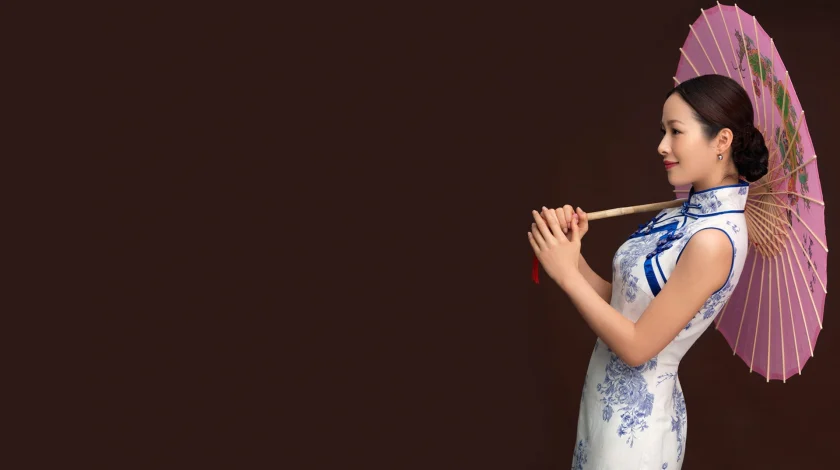
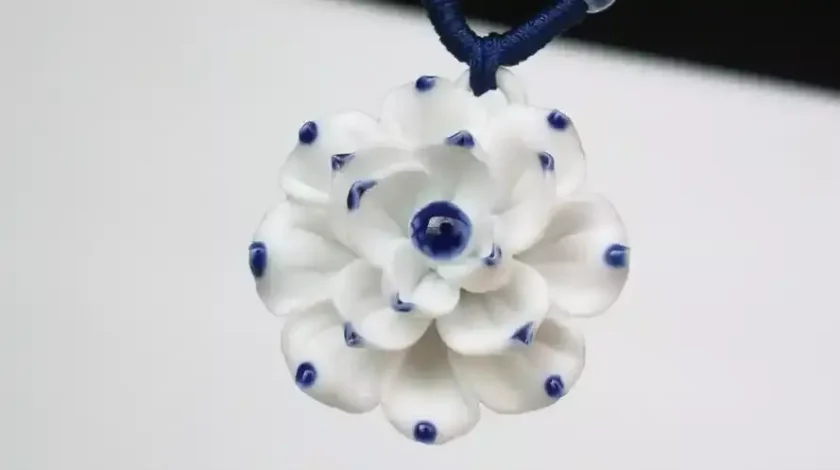
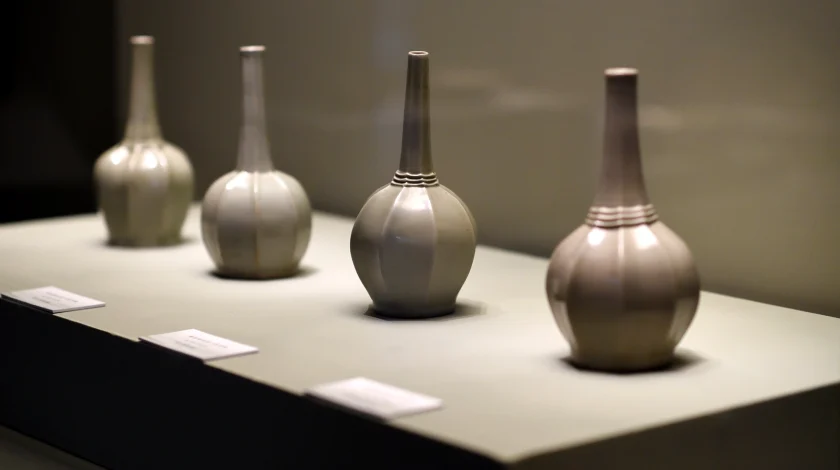
Chinese Ceramics: From the Tang Dynasty’s glazed pottery to the exquisite porcelain of the Ming Dynasty, Chinese ceramics have a long and celebrated history. The world-famous blue-and-white porcelain is a symbol of China’s craftsmanship and beauty.
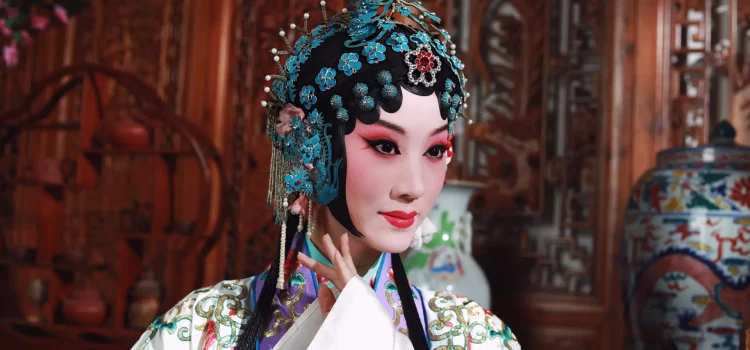
Peking Opera: As a unique form of Chinese opera, Peking Opera is known for its stylized performance, which combines song, acting, and acrobatics. Its intricate costumes, dramatic makeup, and symbolic gestures are essential features of the performance.
Jade Carving: Known for its elegance and symbolism, jade has been highly prized in Chinese culture for thousands of years. Intricate jade carvings, especially those from the Neolithic and Han dynasties, represent the artist’s mastery over one of the most difficult materials to work with.
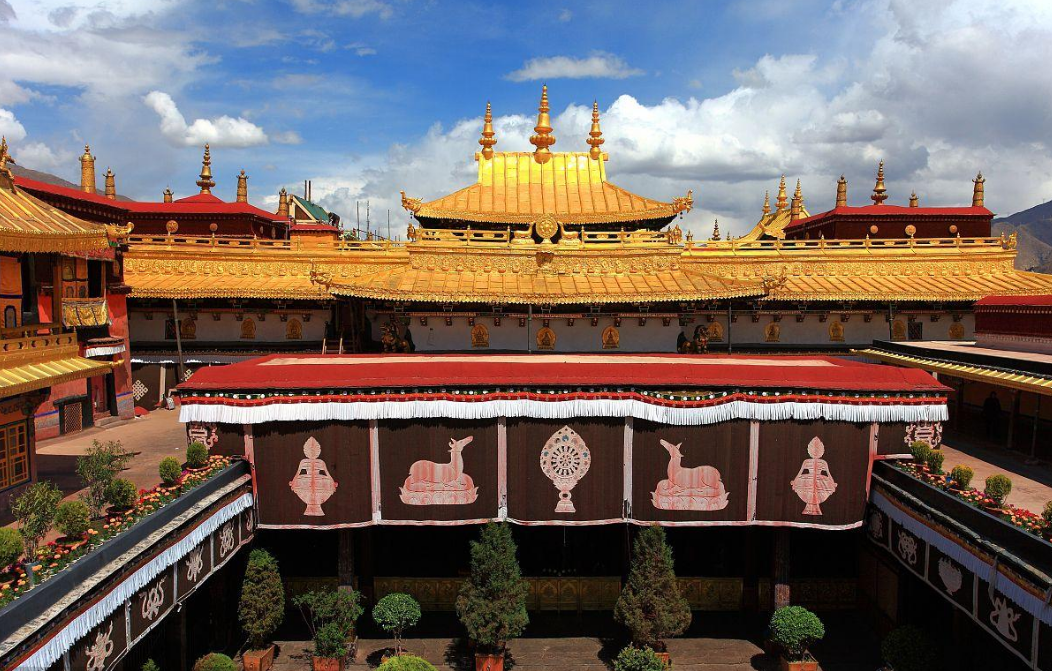
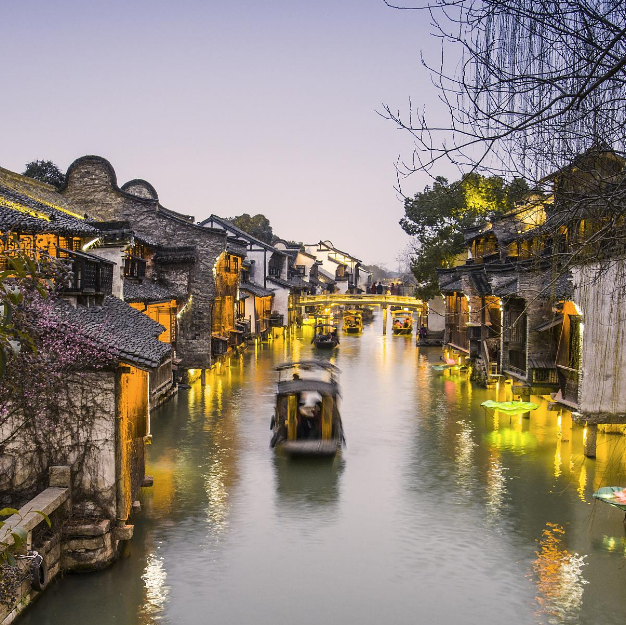
Chinese Landscape Architecture: The design of traditional Chinese gardens, such as those found in Suzhou, integrates nature, art, and philosophy. These gardens are meticulously arranged to express idealized versions of natural landscapes, creating a space where individuals can meditate and connect with nature.
Chinese art is a dynamic fusion of ancient tradition and modern innovation, with a rich history that spans millennia. Its diverse forms — from painting and sculpture to performance arts and crafts — offer a window into the cultural, philosophical, and spiritual life of China. Whether in the graceful strokes of calligraphy, the fine craftsmanship of porcelain, or the vibrant performance of opera, Chinese arts continue to captivate and inspire both domestically and globally, proving that while tradition holds a central place, innovation plays a vital role in shaping the future of Chinese art.