
Religions in China

Chinese religious practices are diverse and have evolved over centuries, reflecting the country's rich cultural heritage. From Buddhism, Taoism, and Confucianism to folk traditions and foreign religions like Islam and Christianity, religion in China continues to shape the social and cultural landscape, despite the government's regulatory control. Understanding these practices is essential to appreciating the depth and complexity of Chinese culture.

The Diversity of Religions in China

China is home to a remarkable diversity of religious beliefs and practices. This diversity is rooted in the country’s long history and cultural evolution, where various religions and philosophies have coexisted and influenced each other. The three main religions traditionally recognized in China are Buddhism, Confucianism, and Taoism, but there are many other religious and spiritual traditions practiced across the country.

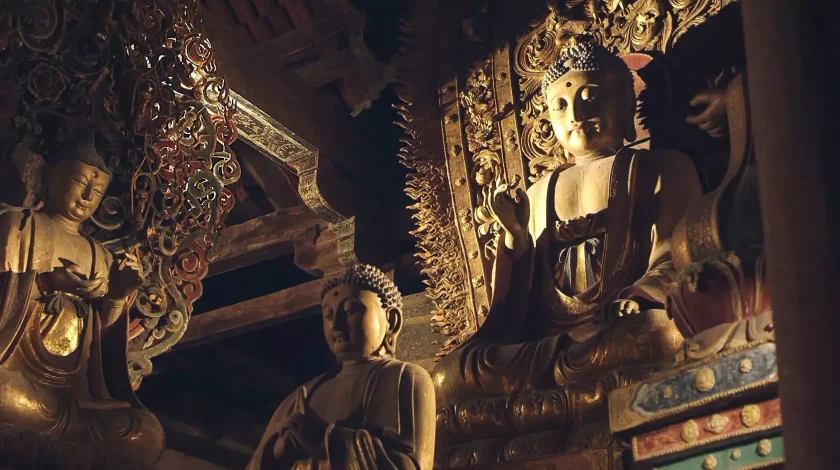
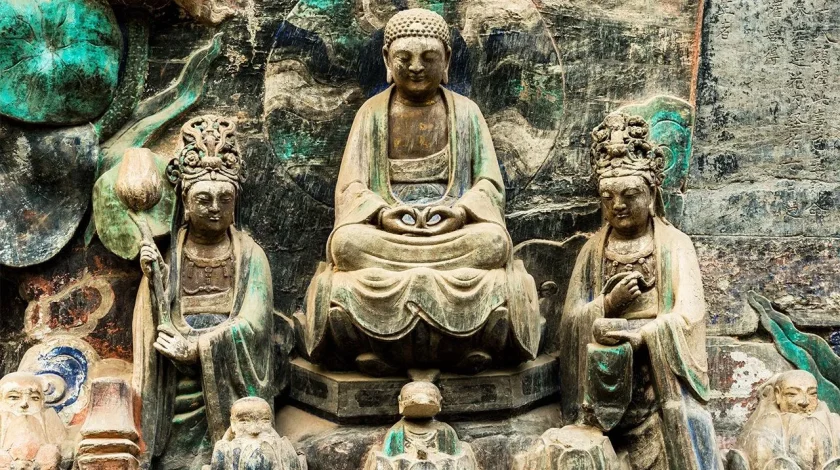
  • Buddhism was introduced from India around the 1st century CE and has since become one of the most influential religions in China. The belief system encompasses a wide range of schools, including Chan (Zen), Pure Land, and Tibetan Buddhism.

  • Confucianism, although often considered more a philosophy than a religion, has profoundly shaped Chinese society and its moral framework. Confucian teachings focus on ethics, social harmony, filial piety, and respect for authority.

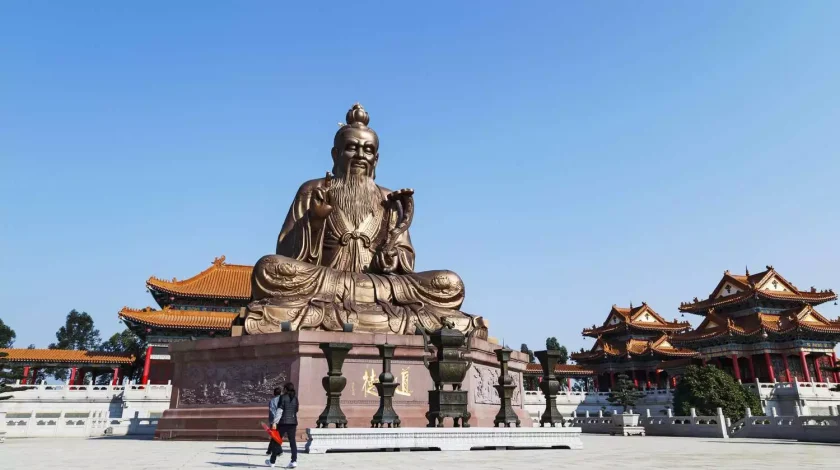
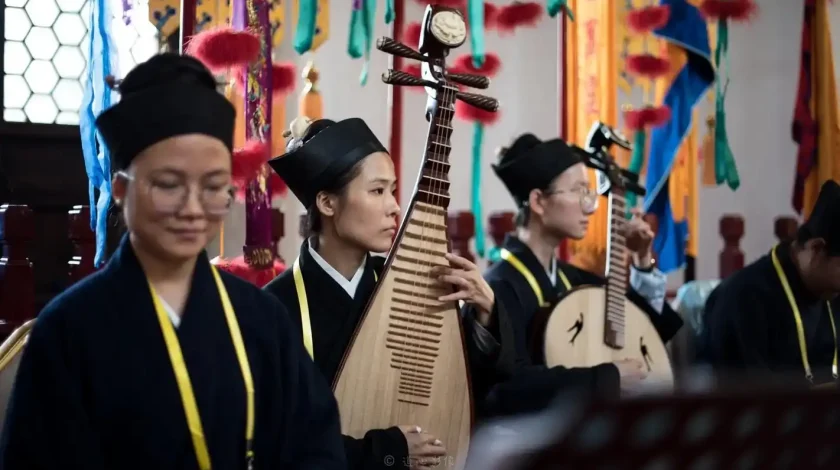
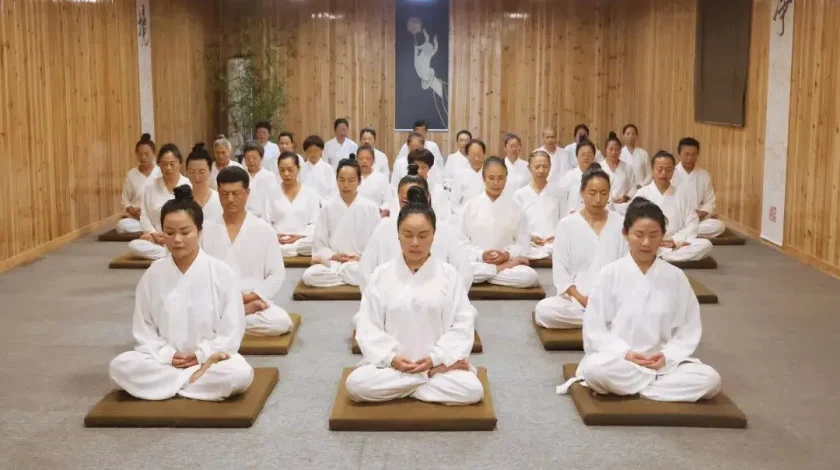
  • Taoism is a native Chinese religion that emphasizes harmony with the Tao (the Way), which is the natural order of the universe. Taoism is centered around practices such as meditation, breathing exercises, and the pursuit of immortality.

In addition to these three, China also has a significant population of Muslims, particularly among the Hui and Uighur communities, and Christianity, which has been present in China since the 7th century through various missionary efforts. The practice of Folk Religions or Chinese traditional beliefs also plays a central role, with people worshiping a variety of deities and spirits, including ancestors and local gods.

Religions in China

The Development of Religion in China

The development of religion in China has been shaped by a variety of historical, cultural, and political forces.

  • Early Development: In ancient China, religious beliefs were closely tied to the natural world. Early practices revolved around animism, ancestor worship, and the veneration of natural elements such as mountains, rivers, and celestial bodies. The practice of ancestor worship remains an important cultural aspect in Chinese life today.

  • The Rise of Confucianism and Taoism: Around the 5th century BCE, Confucianism and Taoism emerged as distinct systems of thought. Confucianism became the dominant social and ethical system, influencing Chinese governance, education, and family life. Taoism, with its spiritual practices and beliefs in immortality, offered an alternative view of the universe, emphasizing balance and harmony with nature.

  • Introduction of Buddhism: Buddhism entered China during the Han Dynasty (206 BCE–220 CE) and gradually transformed from a foreign religion into one of the most important in Chinese culture. The translation of Buddhist texts into Chinese and the development of unique Chinese Buddhist schools were significant milestones.

  • The Cultural Revolution: In the 20th century, particularly during the Cultural Revolution (1966-1976), religion faced severe repression. The Chinese Communist Party (CCP) sought to diminish the influence of religion and promote secularism, leading to the destruction of religious institutions, including temples, monasteries, and churches.

  • Post-Cultural Revolution: After the Cultural Revolution, China saw a revival of religious practices, particularly in the 1980s. Today, while religion is still heavily regulated by the government, there is growing interest in spiritual practices, with Buddhism, Taoism, Christianity, and Islam all experiencing a degree of revival.

Taoism
Religions in China

Religions Officially Recognized in China

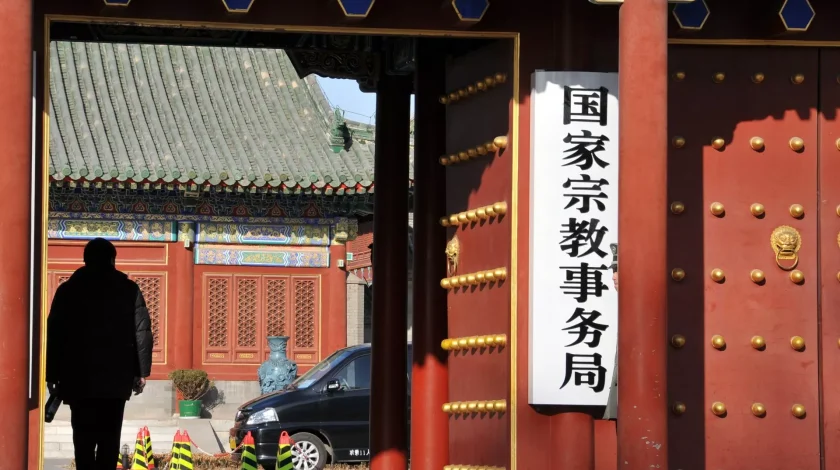
China officially recognizes five major religions, each governed by state-run religious organizations. These include:

  • Buddhism: Regulated by the Buddhist Association of China, Buddhism enjoys wide recognition and is practiced in many temples and monasteries across the country.

  • Taoism: The China Taoist Association is responsible for Taoist practices and the protection of Taoist temples. Taoism is often linked with Chinese traditional medicine, martial arts, and spiritual cultivation.

  • Islam: The Islamic Association of China oversees the practice of Islam. The Hui and Uighur ethnic groups are the primary Muslim populations in China, with significant mosques and Islamic institutions in places like Xinjiang, Ningxia, and Gansu.

  • Christianity: Christianity is practiced under the supervision of two main organizations: the Three-Self Patriotic Movement for Protestant Christians and the Chinese Patriotic Catholic Association for Catholics. The practice of Christianity is heavily regulated, and churches must register with the government.

  • Folk Religions: While not formally recognized as a major religion, traditional Chinese folk beliefs, including ancestor worship and the worship of local deities, remain widespread. These practices are often blended with elements of Taoism and Buddhism.

While these five religions are recognized and allowed to be practiced, the Chinese government maintains strict control over religious activities. Religious groups must register with government-approved organizations, and religious activities outside of official institutions may be restricted.

Religions in China

The Influence of Religion on Chinese Culture

Religion in China has had a profound influence on various aspects of Chinese culture, from art and architecture to social customs and ethical norms.

  • Philosophy and Ethics: Confucianism, in particular, has had an enduring influence on Chinese social values. Its emphasis on filial piety, respect for authority, and the importance of education has shaped Chinese society for over two millennia. Taoism, with its focus on balance and harmony, has contributed to Chinese concepts of nature and the universe.

  • Festivals and Traditions: Many traditional Chinese festivals have religious origins. For example, the Qingming Festival (Tomb-Sweeping Day) is rooted in ancestor worship, and the Mid-Autumn Festival involves honoring the moon, which has deep Taoist and Buddhist associations. The Chinese New Year also includes rituals that reflect the desire for luck, prosperity, and the honoring of ancestors.

  • Art and Architecture: Chinese religious traditions have influenced the development of iconic architecture such as Buddhist temples, Taoist shrines, and Islamic mosques. The design and layout of temples often incorporate elements of feng shui, the Taoist practice of creating harmonious environments.

  • Traditional Medicine and Practices: Taoism has also influenced traditional Chinese medicine, including acupuncture, herbal remedies, and qigong practices, all of which focus on the balance of energy (qi) within the body. Many Chinese people continue to practice these methods for health and wellness.

  • Spiritual Practices and Rituals: Religion continues to play a significant role in spiritual practices, such as meditation, prayer, and offerings to ancestors. These rituals serve to connect people with their heritage and spiritual beliefs.

Religion in China, despite being heavily regulated, remains an essential element of the nation’s cultural fabric. It shapes the lives of millions of people, influencing their daily practices, moral values, and connection to history.

Religions in China
Religions in China

Chinese religious practices are diverse and have evolved over centuries, reflecting the country’s rich cultural heritage. From Buddhism, Taoism, and Confucianism to folk traditions and foreign religions like Islam and Christianity, religion in China continues to shape the social and cultural landscape, despite the government’s regulatory control. Understanding these practices is essential to appreciating the depth and complexity of Chinese culture.

Want a More Personalized Best China Tour?

Talk to us about booking a private or custom tour for your unique China experience.
Timeless Classic China TourGreat Wall 12 Days

Timeless Classic China Tour

Embark on the 12-day Timeless Classic China Tour to dive deep into thousands of years of authentic Chinese history and culture, visiting six iconic destinations spanning ancient imperial capitals, UNESCO-listed heritage towns, and vibrant modern hubs: Beijing, Datong, Luoyang, Pingyao, Xi’an, and Shanghai. This carefully curated itinerary highlights the very best of timeless China, delivering unbeatable value at a competitive price point, with fully secure, trusted payment processes for a smooth, stress-free booking experience.

Thousand-Year-Old China TourGreat Wall 13 Days

Thousand-Year-Old China Tour

Explore over a thousand years of Chinese history and culture on this 13-day Thousand-Year-Old China Tour, guiding you through 8 iconic destinations from ancient imperial capitals and historic walled towns to dynamic modern metropolises and scenic water towns, including Beijing, Datong, Luoyang, Pingyao, Xi’an, Nanjing, Suzhou and Shanghai. This carefully handpicked itinerary highlights the very best of China’s diverse cultural heritage, offered at unbeatable value with fully trusted, secure payment options for a seamless, stress-free travel planning experience.

Explore Authentic China and Chase Your Avatar DreamsForbidden City 11 Days

Explore Authentic China and Chase Your Avatar Dreams

This 11-day immersive China tour invites you to dive into authentic local culture and visit the iconic otherworldly peaks that inspired *Avatar*, taking you across five incredible destinations: Beijing, Luoyang, Xi'an, Zhangjiajie, and Shanghai. Curated with hand-picked top experiences spanning ancient imperial history, stunning natural scenery and vibrant modern city life, this tour delivers unbeatable value at a great low price, with secure, trusted payment options that let you plan your dream trip with total peace of mind.

Discovery Tour of China's ProvincesPanda Visit 17 Days

Discovery Tour of China's Provinces

This 17-day Discovery Tour of China’s Provinces invites you to explore 7 iconic destinations across the country, from the imperial landmarks of Beijing and Xi’an to cultural hubs of Luoyang, Chengdu, Suzhou, Shanghai, and dynamic Hong Kong. Curated to highlight China’s stunning mix of ancient history and modern vibrancy, this hand-picked itinerary delivers excellent value for curious travelers. You can book with total peace of mind, thanks to the tour’s unbeatable pricing and trusted, secure payment processing.

Discovery Tour of the Ancient Capitals of ChinaShaolin Kungfu 12 Days

Discovery Tour of the Ancient Capitals of China

Dive into thousands of years of Chinese imperial history on this 12-day ancient capitals discovery tour, which guides you through six of China’s most historically significant former capital cities: Beijing, Xi’an, Luoyang, Nanjing, Hangzhou, and Shanghai. Carefully curated to showcase the top cultural and historical highlights of every stop, this well-planned trip delivers exceptional value at a competitive price point, backed by trusted, secure payment processing for total peace of mind throughout your booking experience.

Discovery Tour of Ancient Capitals of ChinaGreat Wall 12 Days

Discovery Tour of Ancient Capitals of China

Explore thousands of years of imperial Chinese history on this thoughtfully curated 12-day discovery tour, which stops at six of China’s most iconic ancient capitals: Beijing, Xi’an, Luoyang, Nanjing, Hangzhou, and Shanghai. This handpicked itinerary is built to deliver rich historical and cultural insight at an unbeatable value, with trusted, secure payment processes that let you focus on enjoying your journey across China’s most historic regions without extra stress.

Video Testimonials

Confucianism, Buddhism, and Daoism: Chinese Popular Religion

Realpolitik of the Three Teachings of Ancient China

Customized China Tours Tailored Just for You