


5 Days Lhasa Winter Tour: Bird Watching & Gandan Monastery
Must-see & Must-do:
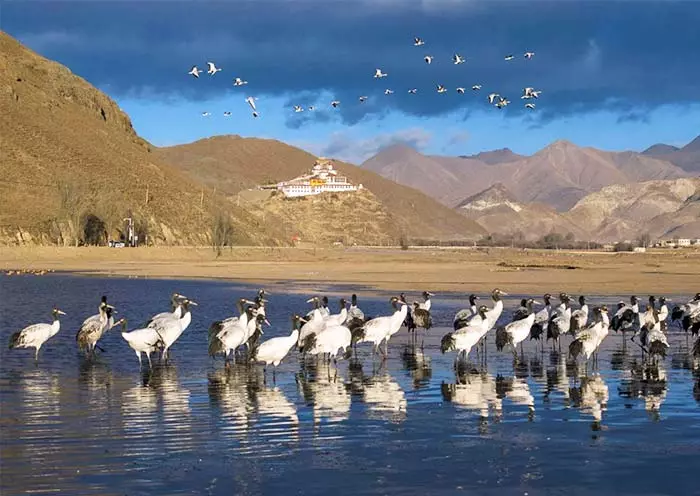
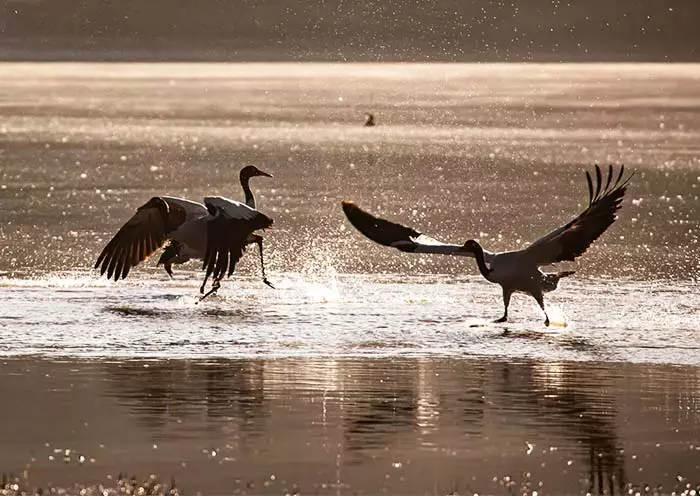
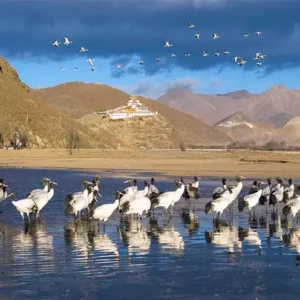
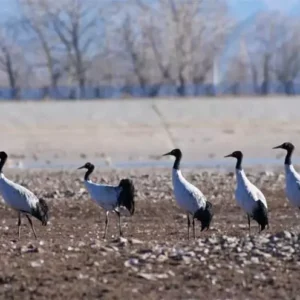
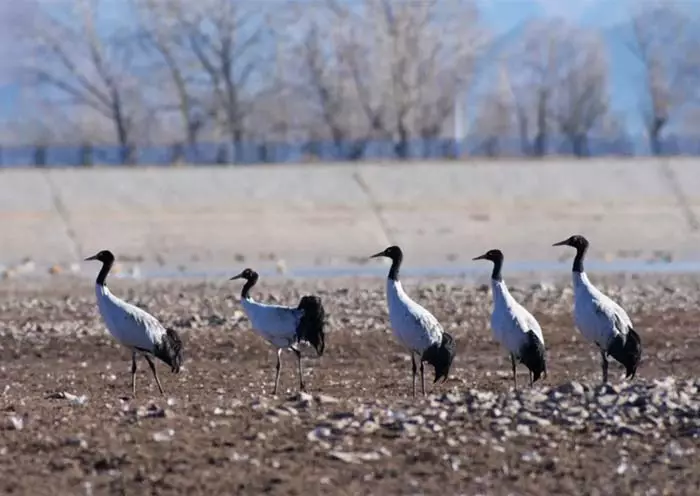
Highlight 1: Head to Linzhou County – the best spot to watch Black-Necked Cranes during the winter season. Capture stunning photos of these graceful birds, whether in groups or alone.
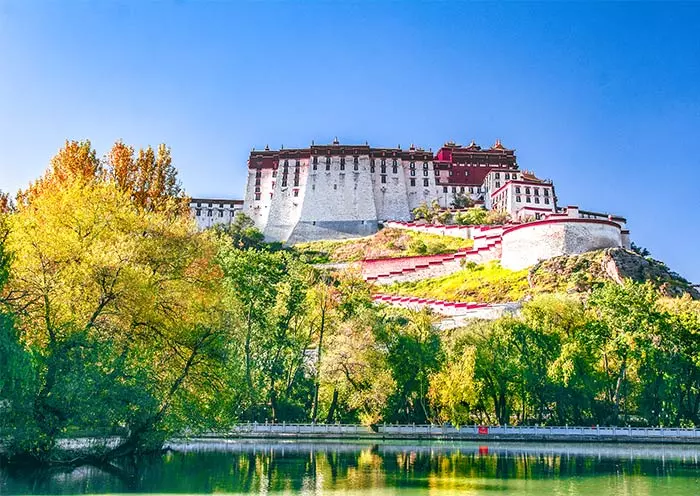
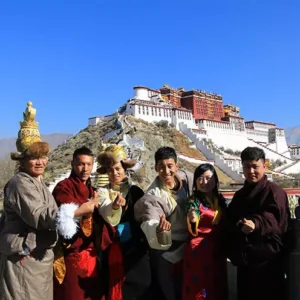
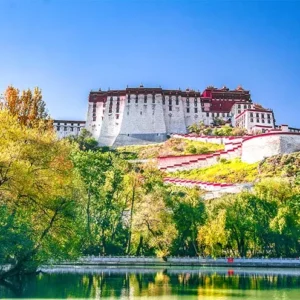
Highlight 2: Visit the world-famous Potala Palace, where the majestic White and Red Palaces stand tall on Red Mountain, showcasing Tibet’s rich history.
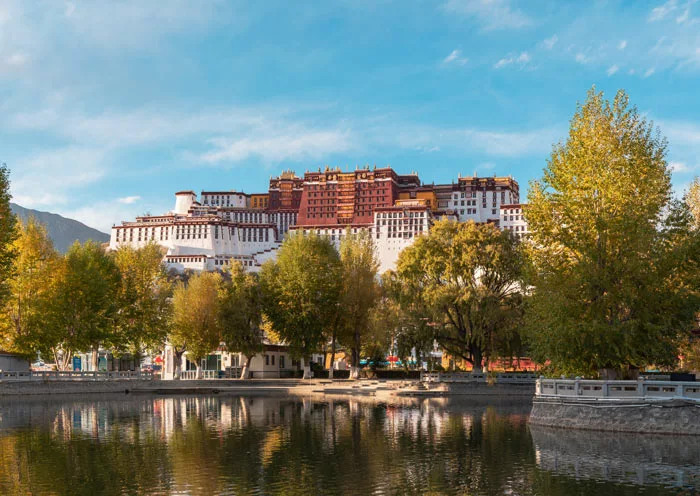
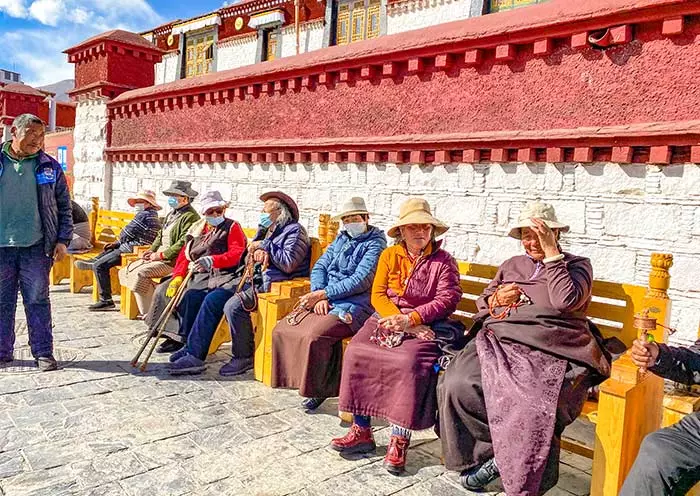
Highlight 3: Reach the Roof of the World and pay a holy visit to the Potala Palace comprising the White and Red Palaces built on the Red Mountain and see local Tibetan Buddhists making a pilgrimage in front of the Jokhang Monastery
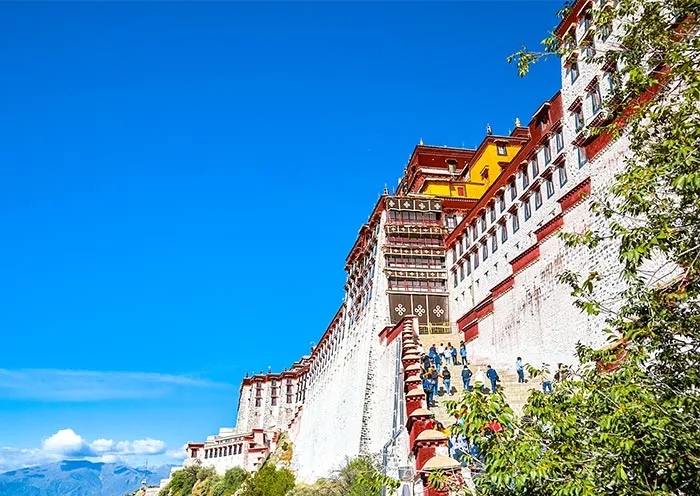
Highlight 4: Travel outside of Lhasa city to one of the “great three” Gelug university monasteries of Tibet – Sera Monastery to explore exceptional Buddhist religious complex and see the famous debate among monks on the Buddhist doctrines
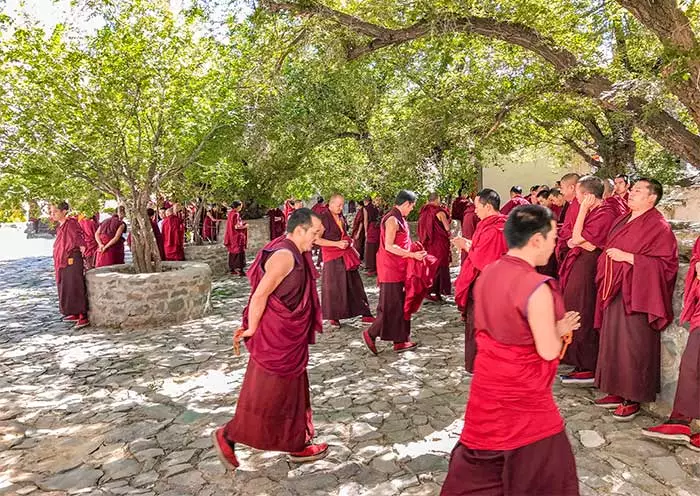
Highlight 5: Experience the spiritual heart of Lhasa as you witness devout local Tibetan Buddhists and pilgrims offering prayers at this sacred temple.
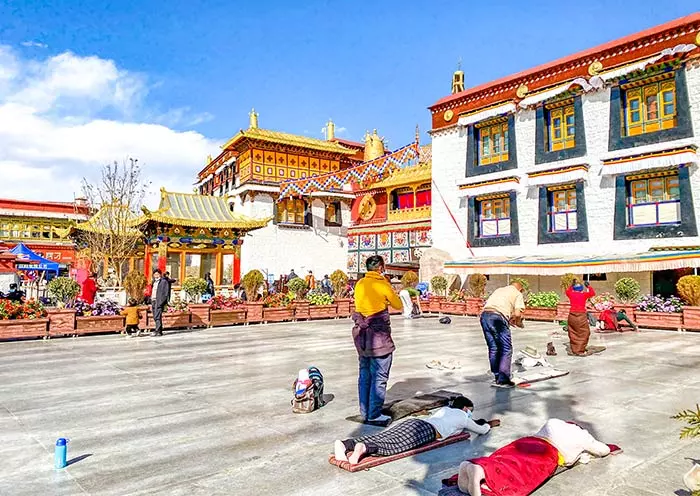
Highlight 6: Immerse yourself in authentic Tibetan life – chat with locals, learn about their traditions, and savor homemade Tibetan delicacies like Zanba and butter tea.
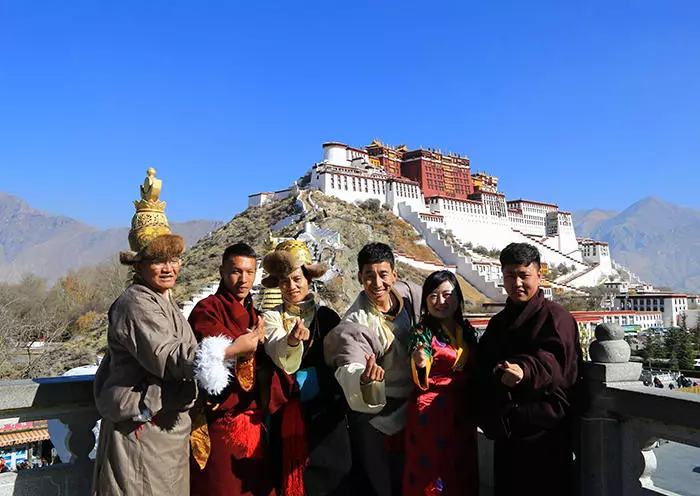
Highlight 7: Soak in Tibetan culture as you stroll through Barkhor Street, joining pilgrims in their clockwise walk while spinning prayer wheels and chanting mantras.
Itinerary Quick Look:
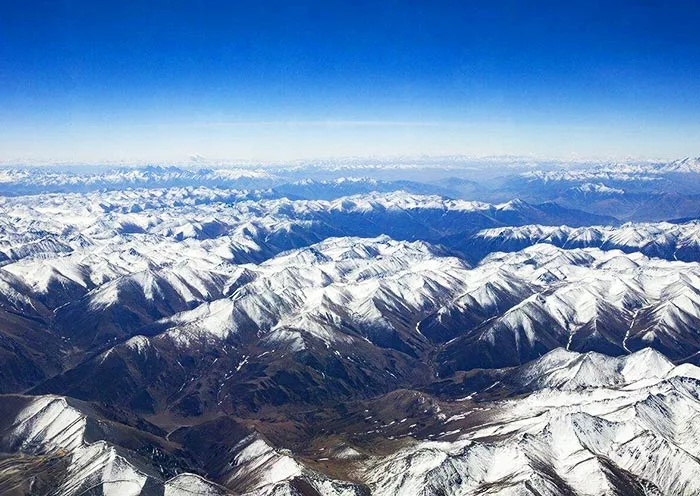
Welcome to Lhasa – the Heart of Tibet! Tashi Delek! Your Tibet adventure begins upon arrival in Lhasa. Our friendly local guide and driver will greet you at the airport or train station and escort you to your downtown hotel (1.5-hour drive). Enjoy a restful night to acclimate to the high altitude (3,650m), and get ready to explore the wonders of Lhasa with your guide the next day.
Getting to Lhasa (Flight & Train Ideas):
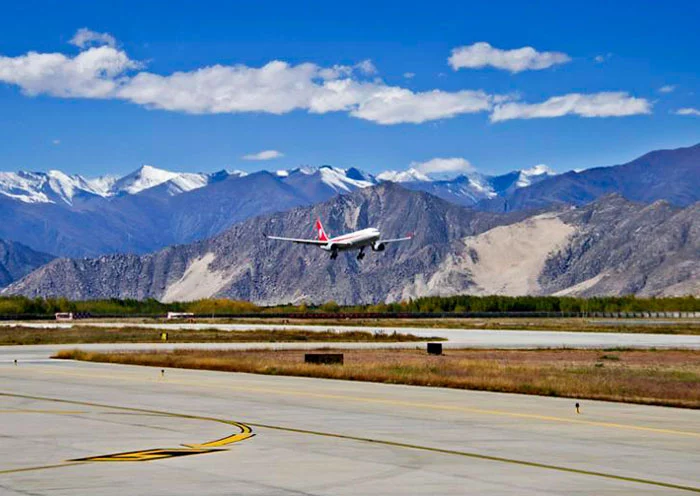
Lhasa is easily accessible by air, train, or road. The Lhasa Gonggar Airport welcomes flights from major cities like Chengdu, Beijing, Shanghai, Xian, and even Kathmandu. If you prefer the scenic route, take the famous Qinghai-Tibet Railway from cities like Xining, Beijing, or Chengdu.
Travel Tips:
- To avoid altitude sickness, take it easy the first few days: drink plenty of water, stay warm, and get enough rest.
- Follow your doctor’s advice about altitude based on your health.
- Always inform your guide or hotel staff if you feel unwell -they’re experienced in handling altitude issues and are ready to assist you.
In this morning, start your visit to the Potala Palace. Not only is it the landmark of Tibet, but it is also the traditional residence and winter palace of the Dalai Lama (1649-1959). After climbing 365 steps from the gate of the Potala Palace to reach the Red Palace, you will arrive at the highest palace in the world at an altitude of 3,700m, where you can enjoy an excellent panoramic view of Lhasa city. As you explore the principal halls, chapels, and shrines of past Dalai Lamas in the Red Palace, you will be amazed and moved by its remarkable paintings, gorgeous jeweled works, skilled carving, colorful ornamentation, and the mystery stories behind the treasures. Inside the Potala Palace, you will meet many Tibetan pilgrims who come from afar to pray at this sacred site, making it a lifetime destination for them. You can also ask your guide to provide more stories about Songtsen Gampo, the 33rd king of Tibet, who first built the Potala Palace in the 7th century for his marriage to Princess Wencheng of the Tang Dynasty.
Please note that the visit order may be adjusted based on the visiting time specified on your Potala Palace ticket. All visitors are required to visit the palace with a tour group and remain inside for one hour. Please be advised that photography is prohibited inside the palace.
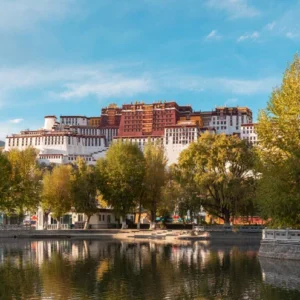
After descending from the palace, you can easily walk to the local Zongjiao Lukang Park. The Tibetan name “Zongjiao” means “behind the palace,” while “Lukang” translates to “Dragon King’s Temple,” with the “Dragon King” referring to the deity of water. Hence, the lake within the park is called Dragon King Pond. Follow the locals’ steps, and you will catch a glimpse of their daily lives. Stroll through the park and enjoy watching water birds freely playing and foraging in the lake. The birds on the water and their reflections, with the Potala Palace as the backdrop, form a harmonious scene.
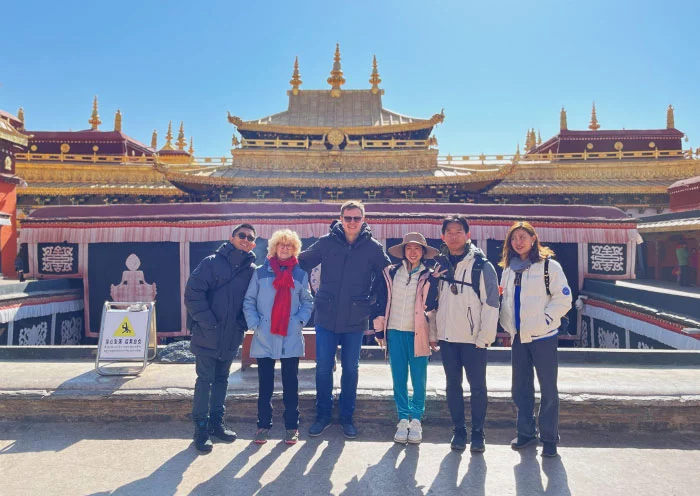
After exploring the Potala Palace, head to the 1,300-year-old Jokhang Temple, the spiritual center of Tibet and a UNESCO World Heritage site. It is said that the Jokhang Monastery was built for King Songtsen Gampo’s two brides: Chinese Princess Wencheng and Nepalese Princess Bhrikuti. “Jokhang” means “House of Buddha”, and it houses the life-size statue of the 12-year-old Sakyamuni, a priceless treasure in the Buddhist world. This is why Buddhist pilgrims regard it as the holiest destination. Time seems to stand still as you watch them pray in front of the temple, day and night.
Afterward, take a stroll down the bustling Barkhor Street near the Jokhang Monastery, once a place for Buddhists to do a kora (pilgrimage circuit) in ancient times. Today, it is a lively local market where you can enjoy a pot of yak butter tea, dress in Tibetan clothes for photos, and shop for local Tibetan, Nepalese, and Indian handicrafts and souvenirs.
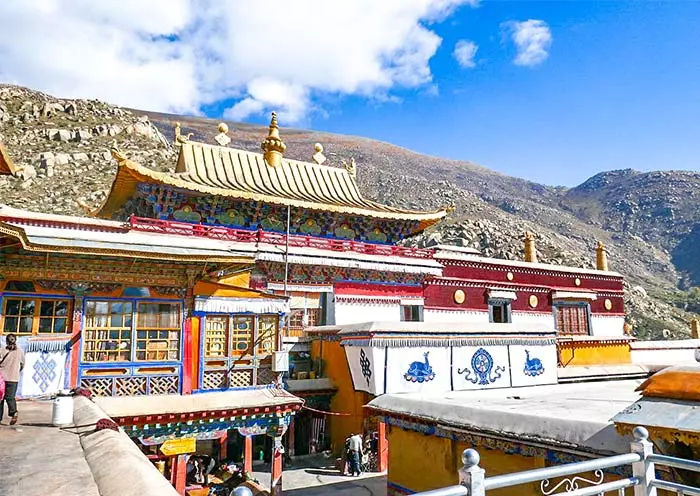
In the morning, drive about 35min (12km) to visit Drepung Monastery which was the largest Tibetan monastery (Gelug Sect, Yellow Hat) in Lhasa. It used to be Dalai Lama’s palace before he moved to the Potala Palace in the 17th century. Now it is famous for Drepung Shoton Festival held each August, people come to offer yogurt to the monks who finished the 100 days’ meditation while enjoying the grandest Buddha (thangka) unfolding ceremony. Besides the unique architecture and amazing buildings, you can watch monks debating in Tibetan Buddhism vibrant and active with expansive gestures, clapping, and stamping. After Drepung Temple, you will have about a 2-hour Tibetan culture tour, which includes an introduction, Tibetan incense making, and block printing.
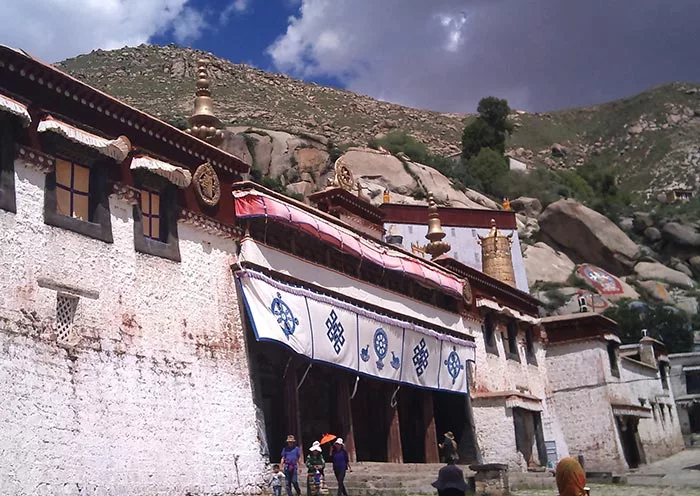
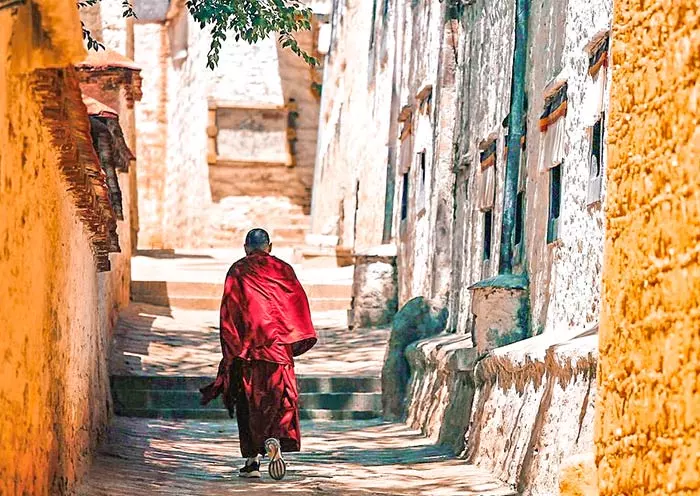
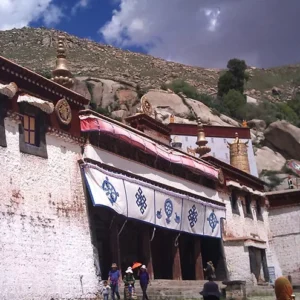
In the afternoon, drive another 40min (14km) to visit Sera Monastery. Step on one of the most beautiful monastery compounds, and its white stone roads and walkways makes you feel almost Mediterranean. The highlight of Sera Monastery is watch the monks’ debate at around 15:00 – 17:00 (except Sundays). It is an interesting form of debate, you can see one monk, the questioner, standing while the answerer or group of answerers, sitting. The standing monk will ask question and slap his palms and stomp, each action has its special meaning, such as activating wisdom, and are not meant to be aggressive.
Then, you will visit a local Tibetan family to get an intimate look at their traditional home, learn about their authentic way of life, and try traditional Tibetan cuisine (such as zaba, butter tea, and other snacks).
After that, be escorted back to your hotel in Lhasa.
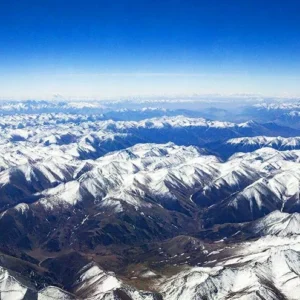
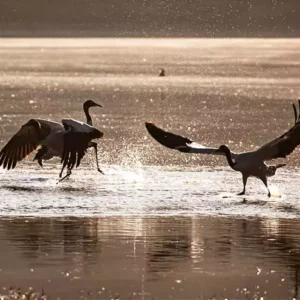
Start your day with an early transfer to Linzhou County (林周县), located about 65 km north of Lhasa (a scenic 1 to 1.5-hour drive). Sitting at an average altitude of 4,200 meters, Linzhou is a renowned winter bird-watching paradise, offering breathtaking landscapes of mountains, grasslands, wetlands, rivers, and lakes. This diverse ecosystem creates the perfect habitat for a wide variety of bird species, with the iconic black-necked cranes – an endangered species and a cherished symbol of Tibet – being the highlight. You’ll also have the chance to spot other fascinating species such as the bar-headed goose, ruddy shelduck, Himalayan griffon, and brown-headed gull.
The Linzhou Black-Necked Crane Nature Reserve, established in 1993 and upgraded to a national-level reserve in 2003, is home to some of the best bird-watching spots. The vast valleys surrounding the county seat, particularly Qiangga Village and Karzi Township, form the heart of the reserve. Upon arrival, you’ll be captivated by flocks of birds gracefully wandering the farmlands – either in groups or family pairs.
Your bird-watching adventure will focus primarily on Hutoushan Reservoir (虎头山水库), the prime location to witness large flocks of black-necked cranes. The sight of these magnificent birds soaring against a backdrop of snow-capped mountains creates a truly harmonious and picturesque experience. If time allows, a visit to Karze Reservoir (卡孜水库) will provide another fantastic opportunity to observe the cranes and other migratory birds in a serene setting, ideal for bird photography.
Bird Watching & Photography Tips:
- Try to arrive before 9 a.m. when the cranes are most active.
- Maintain a respectful distance and avoid feeding or disturbing the birds.
- Avoid using a flash to prevent startling them.
- Opt for neutral or earth-toned clothing, as bright colors can easily alert and disturb the birds.
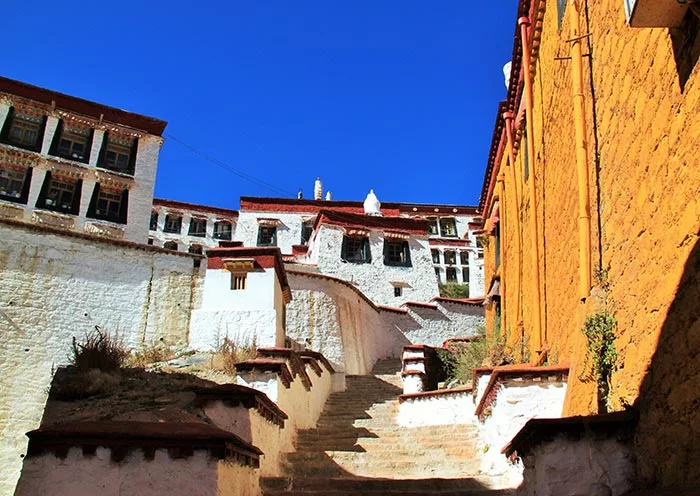
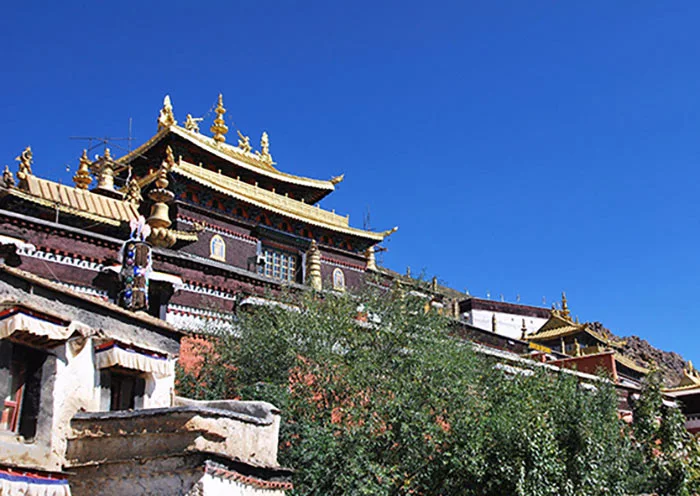
In the afternoon, take another scenic drive to Ganden Monastery (甘丹寺), located about 70 km from Linzhou (1.5 to 2 hours by car). Founded in 1409 by Tsongkhapa, the revered founder of the Gelug school of Tibetan Buddhism, Ganden Monastery holds the distinction of being the first and most significant monastery of the Gelug tradition.
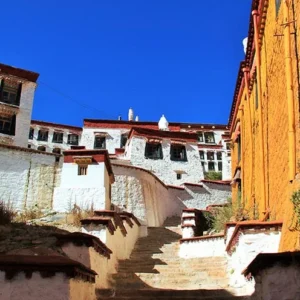
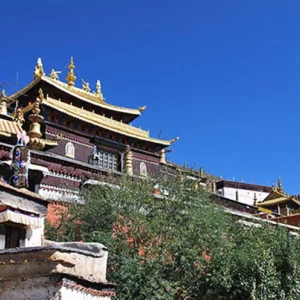
As you ascend the winding mountain road, the majestic white complex of Ganden Monastery gradually comes into view – an awe-inspiring sight that is sure to leave you breathless. Upon arrival, immerse yourself in the serenity of the Main Prayer Hall, where thousands of Buddha statues, intricate murals, and sacred religious artifacts await your discovery. Witness the monks engaged in prayer and rituals, offering a glimpse into their daily spiritual practices. A highlight of your visit is the renowned statue of Tsongkhapa, including a cherished depiction of him as an 8-year-old child.
After the tour, be escorted back to your hotel in Lhasa.
It is time to end your 5-day Lhasa Winter Tour. You will have some free time in Lhasa till your guide escorts you to the airport/train station for your flight or train to your next destination.
Extension Ideas: If you prefer to travel longer in Tibet, you can extend your trip to other highlighted parts of Tibet, including Shigatse, Gyantse, Everest Base Camp and Mount Kailash.
Thank you for choosing HelloChinaTrip for your China tour, and we are always here working for you and hope to see you again for your next trip to China/Asia.
What’s Included
- Professional licensed English-speaking local guide
- Tourist Vehicle: 7-23seats (If it’s less than 4 travelers doing Lhasa city tour, we will let tour guide to take a taxi instead. Taxi fee will be at the tour guide expense.)
- Hotel accommodation with breakfasts (3-star standard)
- Meals: Breakfasts plus featured meals - Tibetan welcome banquet in Lhasa & The world’s highest altitude hot pot experience at EBC (if you take the tour to EBC).
- Admission tickets, activities listed in the itinerary
- Tibet Permits: Tibet Entry Permit, Alien Travel Permit, Border Pass, etc.
- Pick up and Drop off Service: Flights (Lhasa Gongga Airport): Free pick-up during 08:00-22:00; free drop-off, during 08:30-22:30. And the train (Lhasa Train Station): Free Pick-up and drop off.
- Oxygen and Water: A container of Oxygen per person for emergency use; 2 bottles of drinking water per person per day (300ml); 4L Medical oxygen cylinder with car
- Our service from tour planning, handling, operational and finishing your trip
What’s Excluded
- International airfares
- Entry Visa fees
- Personal expenses
- Single Room Supplement
- Recommended optional activities
- Arrival/departure flights or train on the first and last day
- Tips or gratuities for guides and drivers
Important Trip Notes for Booking a China Group Tour
Do I need to get a Tibet permit to visit Tibet? How long does it take to obtain?
All foreign travelers are required to obtain a Tibet Travel Permit to visit Tibet. The permit can only be applied for through a registered travel agency in Tibet (we are local based Tibet travel agency with office setting in Lhasa) and is required to purchase flight or train tickets to Tibet. The permit is necessary to enter Tibet and visit certain areas within the region, including Lhasa and Mount Everest Base Camp. Travelers should plan ahead and allow sufficient time for the permit application process, as it can take one to two weeks to obtain the necessary permits.
All foreign travelers are advised to make their bookings at least one week in advance and send the necessary documents to us for obtaining the permits. However, if you plan to visit Mount Kailash, it is recommended to book at least two weeks in advance, as it may take longer to obtain the necessary permits.
How do I book a private Tibet tour?
It is very simple to book a private Tibet tour. Select the tour you are interested, and click “Make an Enquiry for Free”. Tell us your demands and likes while submitting the form. During this process, you don’t need to pay immediately. After sending us your requirements, one of our professional travel experts will get back to you within 0.5 to 24 hours. When all the information have confirmed, then you make the deposit. Please feel free to contact the travel expert directly if you have any questions prior to booking.
Combine Your Tibet Tour with Other Destinations in China
The above itinerary is the sample one that most travelers would go like that. The tour can be customized based on your likes, interests and budget. At the same time, if you want to extend this tour, just tell us your favored destinations and things to do. Our professional travel experts will redesign the trip totally for you at the best price. Tell us your ideas now >>
Transportation
In a private tour, it means you will transfer to the tourist attractions in one city by private vehicle. The private car we selected is spacious, comfortable and air-conditioned. And the driver we use are very experienced. As for traveling between two destinations, we use domestic flights (economy seat) or high speed trains (second class seat, usually less than 6 hours). The local guides and drivers will pick you up at the airport/train stations, and escort you to the hotel.
Meals
Similar Experiences
Related products
-
10 Days Best Sichuan & Yunnan Highlight Tour
Chengdu Tours$1,000.00 – $8,000.00Rated 5.00 out of 5 -
9 Days Jiuzhaigou & Zhangjiajie National Parks In-depth Tour
Chengdu Tours$1,800.00 – $9,000.00Rated 4.80 out of 5 -
6 Days Beijing Xian Highlights Tour by High Speed Train
Xian Tours$1,200.00 – $6,000.00Rated 5.00 out of 5 -
Summer Palace and Beijing Hutong Private Day Tour
Beijing Tours$115.00 – $761.00Rated 4.85 out of 5

Nancy Thompson –
This trip exceeded my expectations! The winter scenery in Lhasa was breathtaking, and having a private tour meant we could take our time enjoying each moment, especially during our bird-watching excursions.
Matthew Hall –
This 5-day winter tour in Lhasa was absolutely incredible! Our private guide tailored the itinerary to include the best bird-watching spots, making it an unforgettable experience amidst stunning winter landscapes.
Daniel Lee –
I loved this customized experience! Each day was filled with unique adventures, from spotting rare birds to exploring the serene atmosphere of Gandan Monastery. Our guide was knowledgeable and engaging.
Margaret Walker –
What a fantastic journey! The combination of bird watching and visiting Gandan Monastery was perfectly balanced. The flexibility of a private tour allowed us to adapt our schedule based on our interests.