
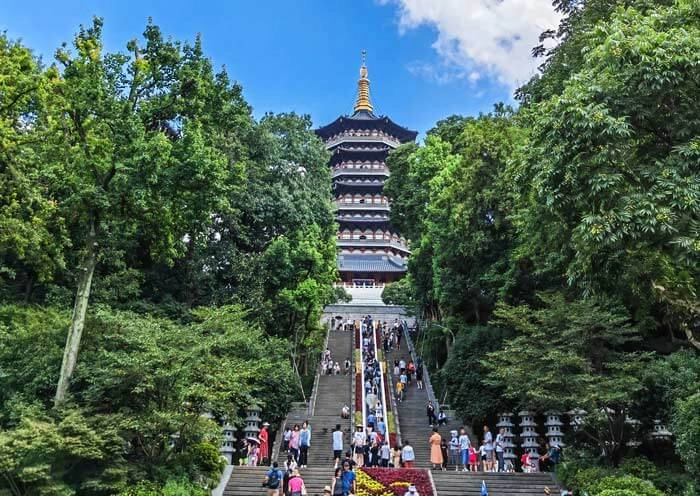
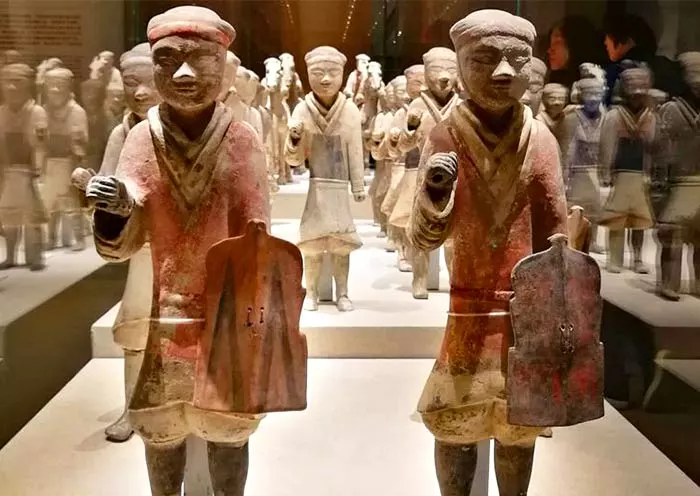


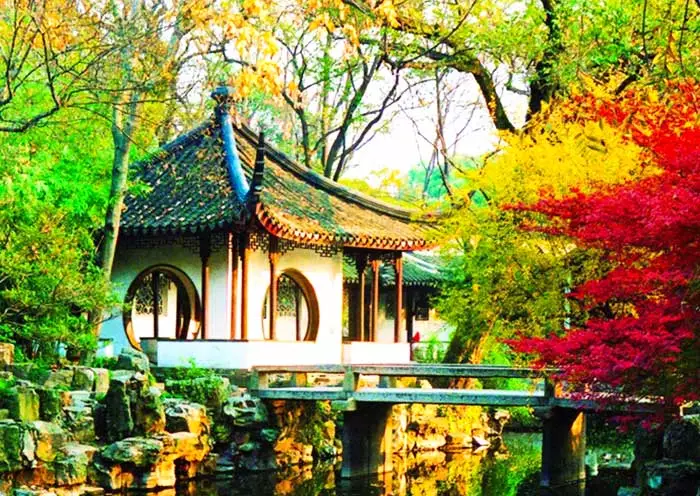





16 Days Shanghai Chengdu Xian Beijing Beautiful China Tour with Yunnan
Must-see & Must-do:
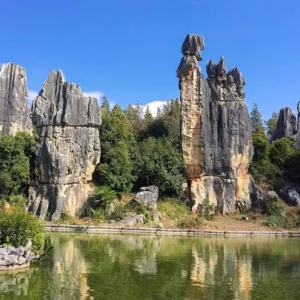
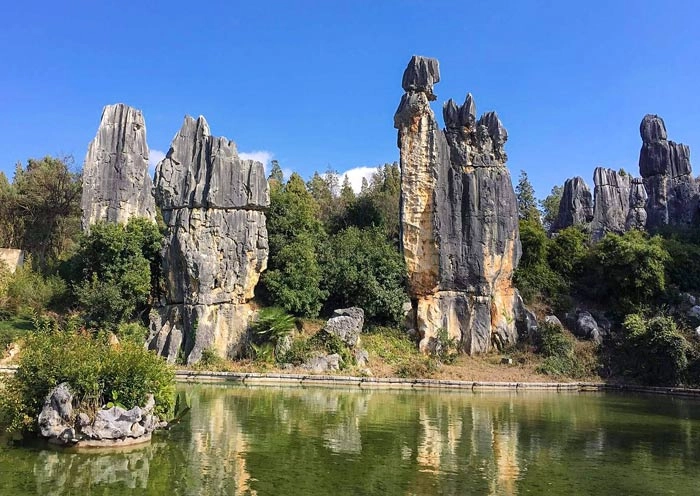
Highlight 1: Discover Kunming, the “Spring City”, by a visit to Stone Forest for “the best natural phenomenon” and “a model land of Karst characteristics”.
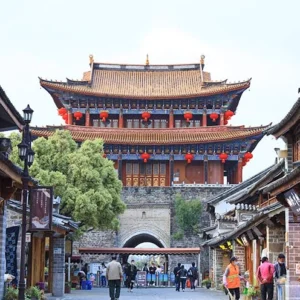
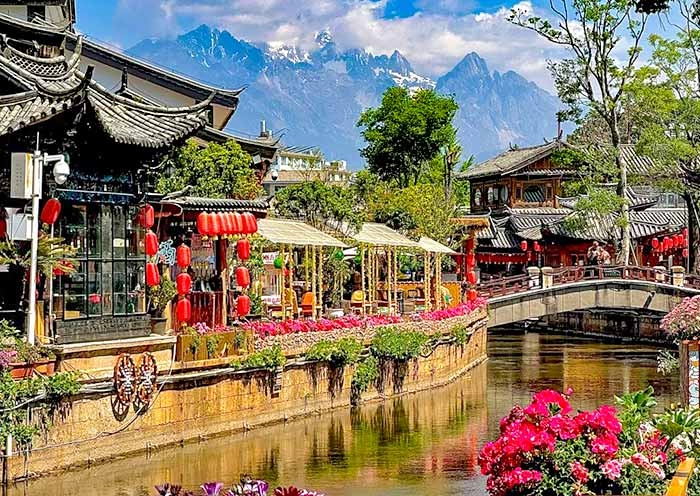
Highlight 2: Stroll on the Old Town of Lijiang (World Heritage), enjoy ancient cobbled streets, stone bridges, and water-wheel-driven canals decorated with flowers.
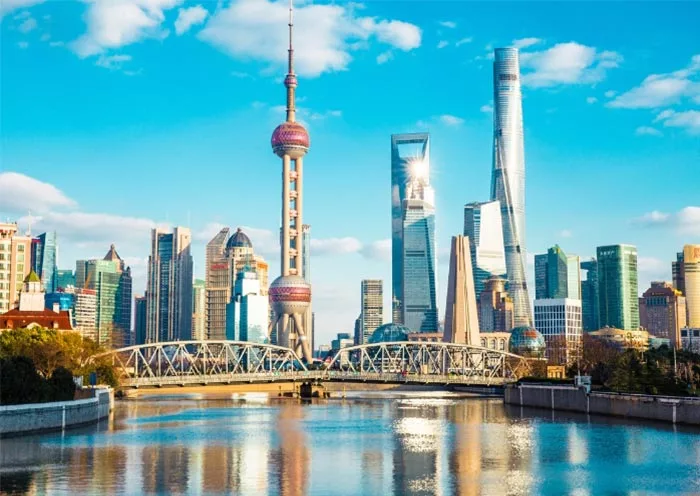
Highlight 3: Take the fast elevator to 546 meters on Shanghai Tower, the tallest building in China, to have a full view of the Economic Hub of China
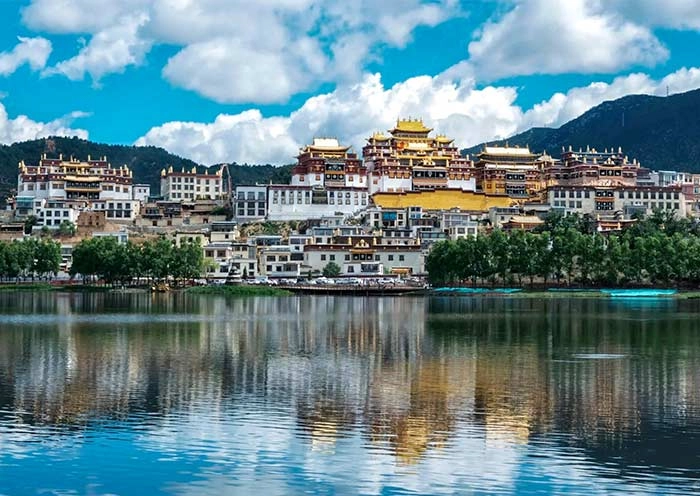
Highlight 4: Where is the real Shangri-La? Try to find it out by exploration in the northwestern part of Yunnan in Diqing, a beautiful and peaceful Tibetan world.
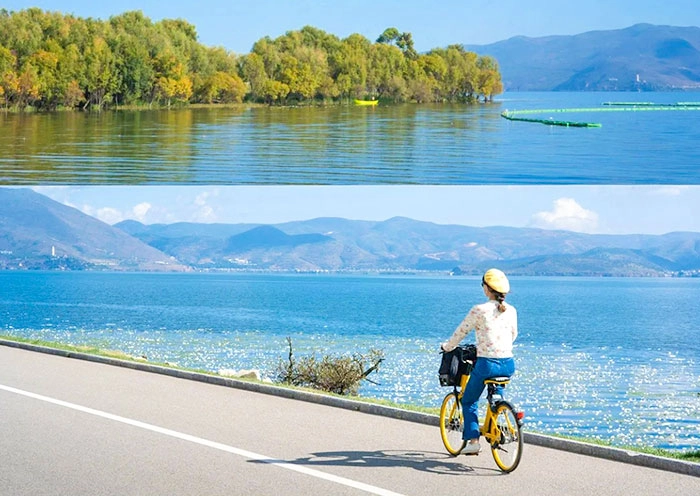
Highlight 5: Enjoy a picturesque bike ride alongside Erhai Lake. Feel the gentle breeze as you pass through flower meadows and lush rice fields. Admire the vast blue waters of the lake, bordered by the majestic Cangshan Mountains.
Highlight 6: Count the cute pandas in Chengdu Panda Base, watch the national treasure eating bamboo, playing with unique toys, climbing trees, sleeping…

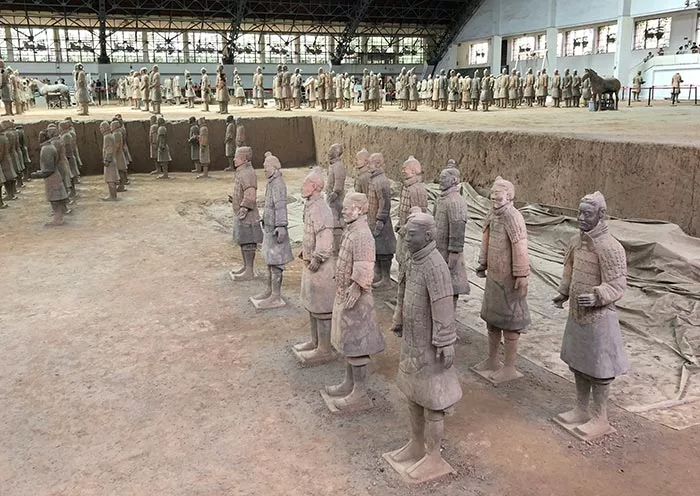
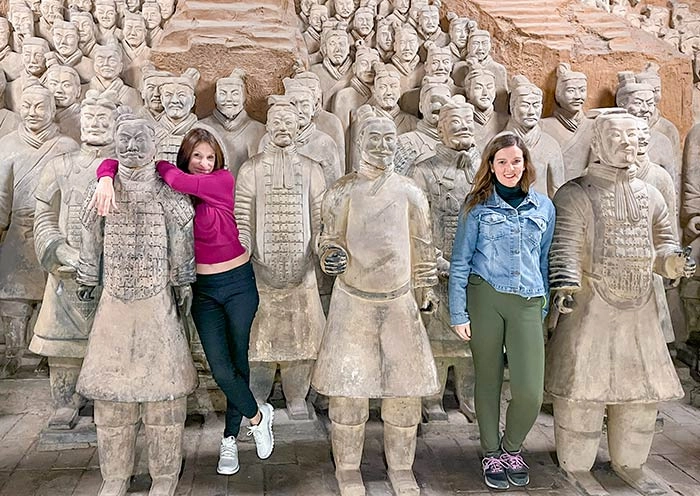
Highlight 7: A closed visit to Terracotta Warriors (World Heritage), find more about the 2,200 years old underground army for China’s first emperor’s afterlife.
Itinerary Quick Look:
Nihao! Welcome to Shanghai, China’s most internationalized and vibrant city! Shanghai’s long-term fusion of Eastern and Western cultures has contributed to Shanghai’s unique culture. Upon your arrival at the airport/train station in Shanghai, the tour guide and driver will meet and greet you at the exit, and then escort you to the well-selected hotel in downtown Shanghai. The rest of the day is free on your own so you can have a good rest for the jet lag or explore by yourself around your hotel.
Arrival Ideas:
Travelers can go to Shanghai easily by air or high speed train. There are two airports – Shanghai Pudong International Airport and Shanghai Hongqiao International Airport operating numerous international and domestic airlines. Travelers can go to Shanghai by air from most cities in China, like Beijing, Xian, Guangzhou, Chengdu, Guilin, Kunming, Lijiang, Lhasa, and more. In addition, travelers can take high speed train to Shanghai from Beijing (4.5-6 hours), Xian (6-7.5 hours), Huangshan (2.5-3 hours), Guangzhou (7-8.5 hours), Suzhou (0.5 hour), Hangzhou (about 45 mins), Wuhan (3.5-4.5 hours), etc.
Free Time Ideas:
You are welcome to ask your tour guide for some useful tips to spend your free time based on your time and interest.
Today you will spend the whole day feeling the perfect blend of the West and East in this “Paris of the East” by visiting brilliant museums, traditional Chinese-style gardens, modern skyscrapers, and exotic architecture.
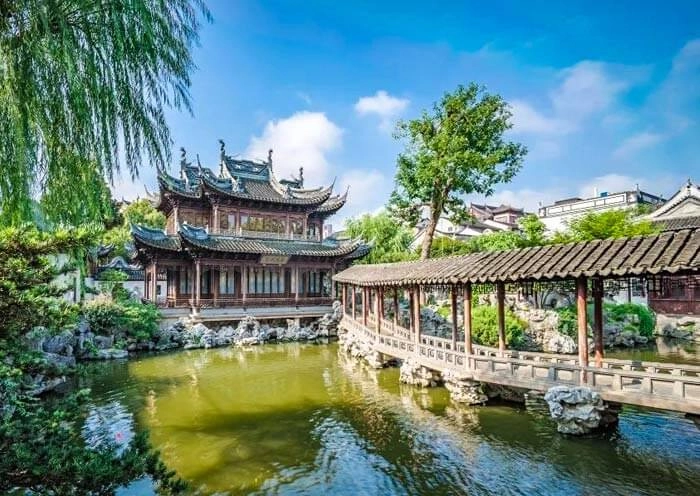
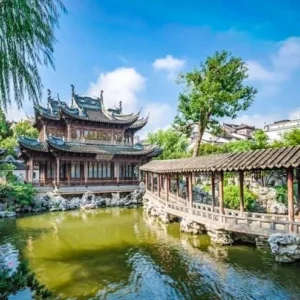
First, head to Shanghai Museum for an awe-inspiring visit to view the finest collection of art and learn about profound Chinese history. Built in the shape of an ancient bronze cooking vessel called a ding, Shanghai Museum has a round top and a square base, symbolizing “round sky, square earth”. It contains 120,000 cultural relics which showcase incredible artifacts of Chinese art throughout 5000 years’ history. Immerse yourselves in the Exhibition Hall of Bronze and Ceramic to appreciate the elaborate bronzes and exquisite artifacts. You won’t miss the chance to enjoy the top treasures – Da Ke Ding (bronze food vessel over 3000 years ago), and Bianzhong of Marquis Su of Jin (ancient musical instruments). Next, move to Yu Garden, the most celebrated classical Chinese garden hidden in the bustling Shanghai downtown area. Enjoy a leisure walk and visit the Chinese architecture, and feast your years with exquisite sculptures and carvings. Yuyuan Bazaar outside the garden is a fun place to taste some local snacks as well as buy some traditional Chinese handicrafts and artworks.
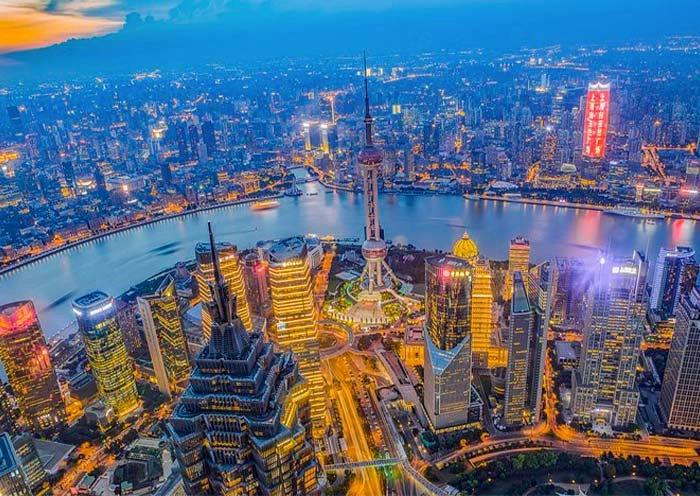
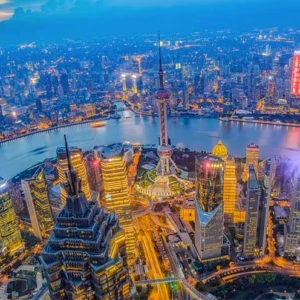
After that, you will take a stroll along Nanjing Road Pedestrian Street, where lots of well-known brands, restaurants, cafes, souvenir shops, and towering buildings stand on both sides. Continue your walk to the Bund, the top 1 place to visit on the Shanghai bucket list. Reputed as “An Exhibition of International Buildings”, the Bund is a collection of 52 buildings in various international architectural styles. Overlook the amazing skyline and skyscrapers of the Pudong Area from the Bund. The last stop today is the Shanghai Tower, the tallest building in China and the second in the world, at a height of 362 meters. Ascents up to 546 meters over the 118th floor for a breathtaking panoramic view of modern Shanghai.
This morning, your guide will meet you in the hotel lobby and escort you to a peaceful walk in the Jade Buddha Temple in bustling Shanghai, among the modern blocks and mansions. It is one of Shanghai’s few active Buddhist temples with about 70 resident monks. In this Shanghai must-see attraction, you will see the largest Jade Buddha in the world and local people throng to pray for prosperity. If there is still some time, you can transfer to Tianzifang in the former French Concession area of Shanghai. It is a place to find tourist arts and crafts, appreciate the preservation of local Shikumen architecture, and watch the daily life of local Shanghai people. Then you will head to the airport for your flight to Kunming (about 4 hours).
Welcome to Kunming, the Spring City! Upon your arrival in Kunming, your guide will meet you at the exit of the train station and escort you to your hotel in Kunming downtown area. Have a good rest.
This morning, drive 78km (about 1.5 hours) from Kunming to the must-see Stone Forest (Shilin), which covers an area of more than 300 square kilometers. You will see a large forest of black limestone standing through winds and rains that formed about 270 million years ago. This amazing natural scenery used to be covered by an ancient sea. There are thousands of meters of calciferous shells that would one day become limestone and dolomite. This deep layer was later uplifted and shaped like trees at an altitude of 1,500 meters. You will take a sightseeing bus to visit Big Stone Forest and Small Stone Forest. With its touching legend of Ashima and unique minority culture, you will fall in love with this famous tourist spot.
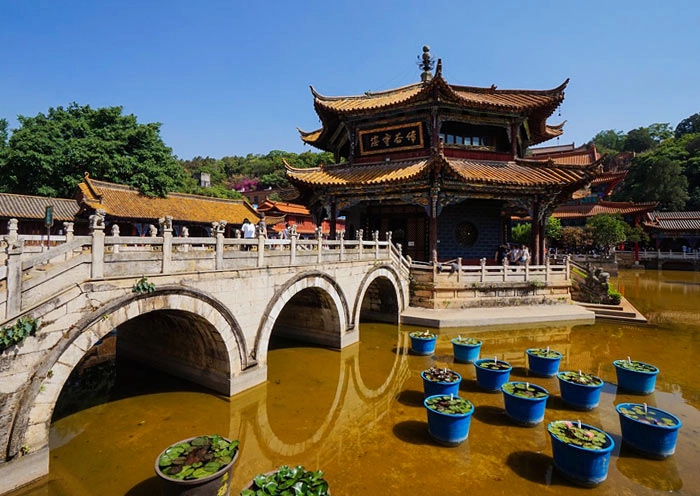
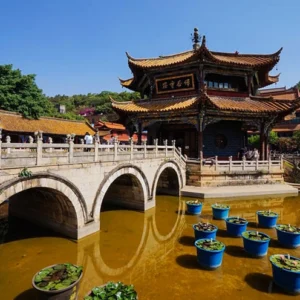
After that, you will head back to Kunming (91km, about 1.5 hours) and have a walk in the Yuantong Temple (Yuantong Si). It is the largest Buddhist temple in Kunming with a history of more than 1,200 years (founded in the Tang dynasty). Differing from most other temples that were built with an ascending entrance, you will enter the Yuantong Temple (Zen Buddhist Temple) from above. The temple’s great hall is at the lowest point of the temple. It gains a high reputation in the Southeast Asia area and attracts many pilgrims and locals to visit every year. To the rear, a hall has been added with a statue of Sakyamuni, a gift from Thailand’s King. You will see people throngs swarm to the temple, especially during the Qingming Festivals and the first and fifth days of each lunar month. If there is time, you can hike in the Green Lake Park (Cui Hu Park, Jade in Kunming), an urban park in Kunming. Then have a good rest at your hotel.
This morning you will take a flight from Kunming to Shangri-La County ( about 1.5 hours), in the northwestern part of Yunnan in Diqing, a beautiful and peaceful Tibetan world. Your guide will meet you at the airport and escort you to visit Ganden Sumtseling Monastery and Potatso National Park.
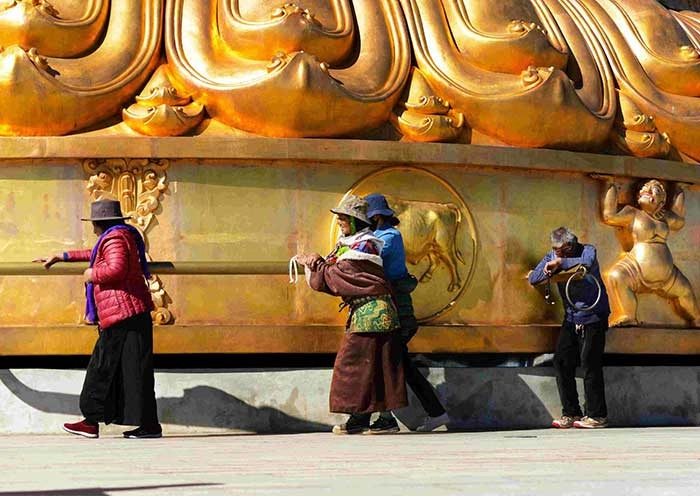
With half hour’s drive from the airport, you will arrive at the Ganden Sumtsenling Monastery (Songzanlin Monastery, 3,380 meters), the largest Tibetan Buddhist Temple in Yunnan that built-in 1679. Built according to the structure of Potala Palace, Songzanlin Monastery is also reputed as the “Little Potala Palace”. You will learn more about this monastery through its architecture which is a fusion of the Tibetan and Han Chinese. Currently, there are about 700 monks accommodated in its 200 associated houses. You may get the chance to discover the life of a Tibetan Lama and even meet monks who chant and meditate in the hall lit with incense and yak butter oil lamps.
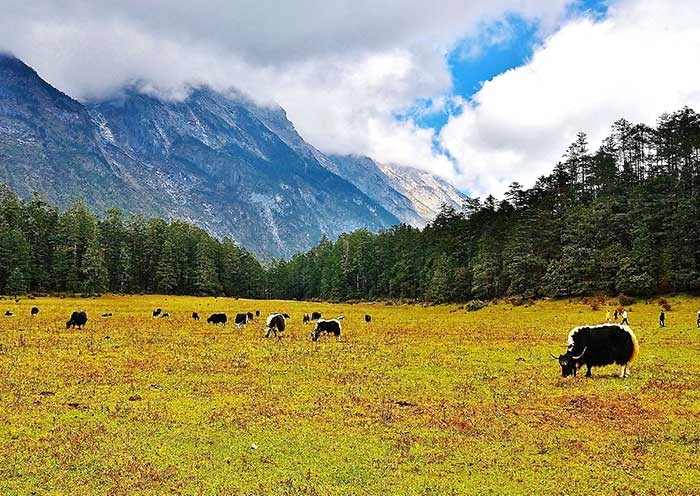
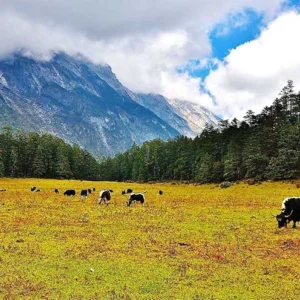
Then with a drive of 25km (about 30min) to visit Potatso National Park (Pudacuo National Park), the first national park in China that open in 2007. Situated on the vast Tibetan Plateau, an important part of the “Three Parallel Rivers” scenic spot, the park is famous for its primitive landscape and features several scenic hills, meadows, lakes, plants, birds, and more than 100 endangered animals, including leopards, cranes, macaques, lynxes, and so on. Enjoy a relaxing hike in the amazing highland nature reserve, and view the mirror-like mountain lakes, pastures with clean water and green grass, wetlands full of flowers, and mystery forests hidden with birds and animals.
Before heading back to your hotel, we can visit a local Tibetan family to get a better understanding of Tibetan culture while trying some local snacks and yak butter tea.
This morning we will drive from Shangri-La to Lijiang (185km, about 4 hours) via a visit to Tiger Leaping Gorge (1800m) on the way. The Upper Section of Tiger Leaping Gorge is 115km (about 2.5 hours) away from Shangri-La, it got its name from a legend about a hunter chasing a tiger through the gorge until they reached the narrowest point. The tiger found itself trapped between the hunter and the rushing river at the base of the gorge. As one of the deepest gorges in the world, Tiger Leaping Gorge is a good spot for you to view the roaring Jinsha River (part of the Yangtze River) and feel the strong power of nature. Also, as Jade Dragon Snow Mountain (5596m) and Haba Snow Mountain (5386m) stand on each side, you will immerse yourself in the beautiful and diverse landscapes.
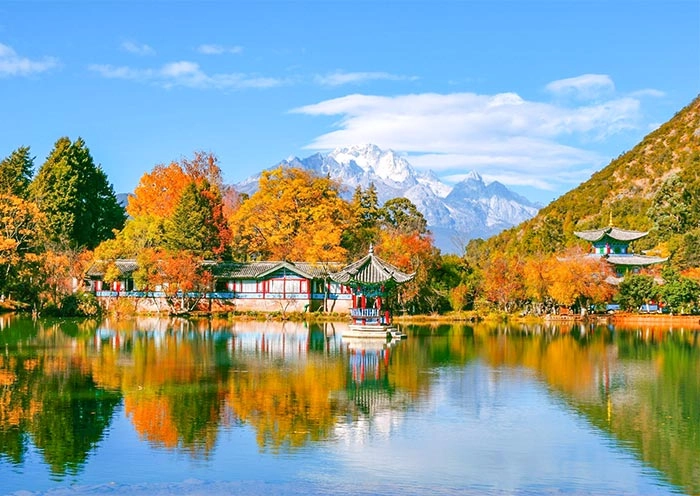
In the afternoon, we can explore Lijiang through Black Dragon Pool Park (Heilongtan Park) and the Old Town of Lijiang. Black Dragon Pool Park is a popular attraction to take brilliant photos of the Jade Dragon Snow Mountain if the weather permits. As the Dongba Cultural Institute is part of a renovated complex on the hillside inside, you can explore more about Naxi cultural artifacts and scrolls featuring the unique Naxi pictograph script.
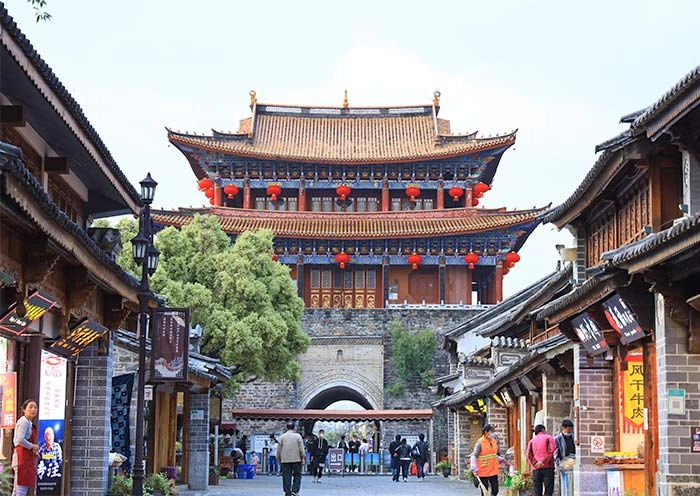
Then you will move to the Old Town of Lijiang (2,400m) which has a history of over 1,000 years. As a World Heritage Site, Lijiang Old Town was once a confluence for trade along the “Old Tea Horse Caravan Trail”. In Lijiang Old Town, a well-preserved old city of the Naxi minority, you can hike leisurely and enjoy the unique Naxi culture on each corner of the town. After dark, Lijiang Old Town presents you with a more charming image with lamps, red lanterns, and alive songs and music.
This morning you will drive 37km (about 1.5 hours) to Jade Dragon Snow Mountain National Park (Yulong Snow Mountain). The name comes from its appearance in the winter when its thick snow cover is thought to make its peak look like a stainless jade dragon. As the highest mountain on the southern bank of the Yangtze River, Jade Dragon Snow Mountain soars to some 5596m, you can take the cable car to the Spruce Meadow (3,000m) and admire the holy mountain of the Naxi people. Keep in mind that this is a very popular destination so it can be very crowded.
After the tour, you will have lunch at Baisha Ancient Town, the earliest settlement of the Naxi ethnic minority. The town has a history of more than 800 years, you will like the ancient constructions built in the Ming Dynasty, such as the Dabaoji Palace, the Liuli Temple, and the Wenchang Palace. It is a great ancient town for you to discover the incredibly beautiful sights and the culture of ethnic minorities. Then, you will be escorted to Lijiang Airport for your flight to Chengdu (about 1.5 hours).
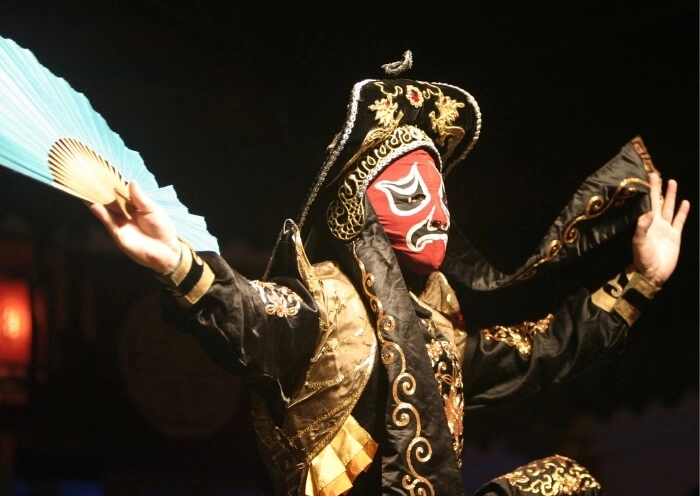
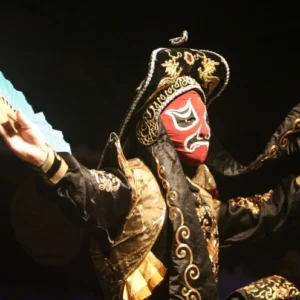
Welcome to Chengdu, the panda hometown! Upon your arrival in Chengdu, your guide will meet you at the exit of the train station and escort you to your hotel in Chengdu downtown area. The rest of today is free on your own to explore this laid-back city well known for Giant Pandas and Sichuan cuisine. The Sichuan hotpot and Sichuan Opera are highly recommended evening activities.
After breakfast, you are going to fulfill your panda dream with a 17-kilometer drive to Chengdu Research Base of Giant Panda Breeding. Also called Chengdu Panda Base, accommodated over 100 pandas, it is the base with the largest population of captive giant pandas in the world. You will see giant pandas of different ages there. It’s great fun to watch them playing, eating, climbing, sleeping… If you come in autumn, you will have the chance to see the pink newborn giant panda cubs in the Sunshine Nursery House and the Moonlight Nursery House. Besides giant pandas, you can also meet the cute red pandas walking by your side in the Red Panda Playgrounds. Then follow your guide to discover more about panda’s secrets through the Panda Museum. (Note: Pandas like cool weather, so we advise you to arrive there early as pandas are more active in the morning.)
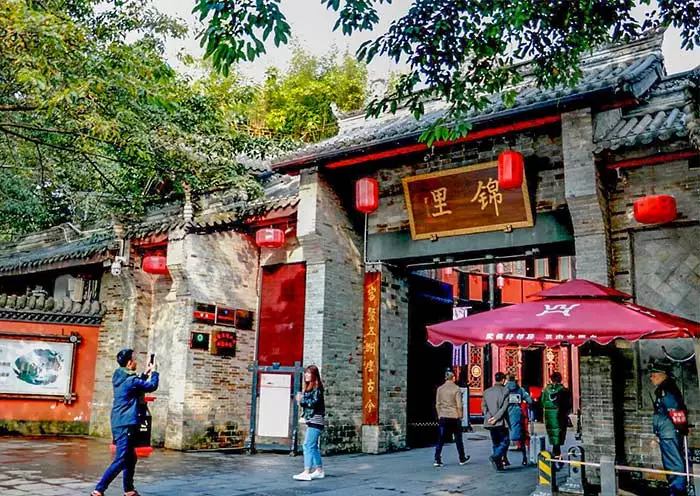
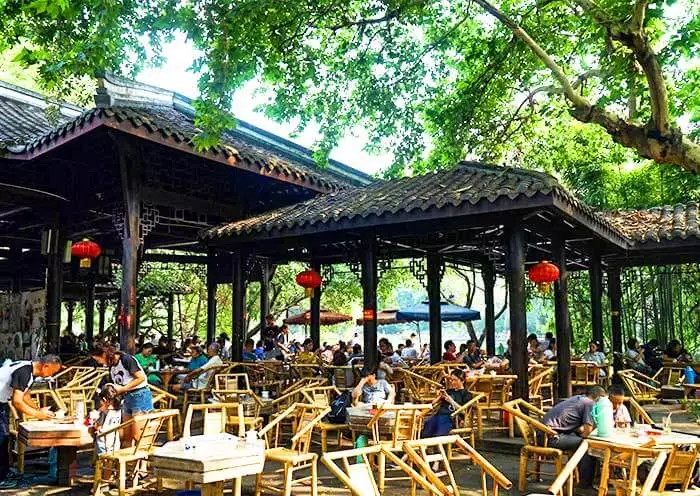
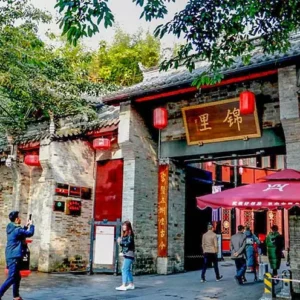
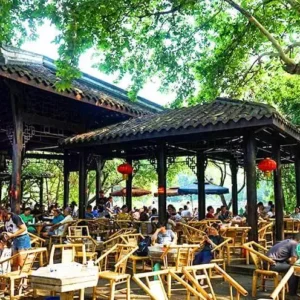
Later, be transferred to the best-preserved Buddhist monastery in Chengdu – Wenshu Monastery to feel the peaceful atmosphere. Pay a visit to Chengdu’s Renmin Park (People’s Park) to witness the city’s leisurely lifestyle and how the local people are doing. Order a cup of fragrant green tea while sitting in the time-honored tea-house, chat with your friends and see local playing mahjong and having fun. After that, return to Chengdu downtown for a relaxing stroll at Jinli Old Street. With a history over 1,800 years, it showcases the profound cultures of Ancient Shu Kingdom. Take a nice walk on the traditional stone-paved street full of delicious local snacks, delicate artifacts, interesting folk shows, etc.
This morning you will depart Chengdu to Emei Shan (200km, about 3 hours’ drive) via a visit to Leshan Giant Buddha (world Heritage) on the way. Leshan Giant Buddha is about 150km (2 hours’ drive) away from Chengdu, and it is located at the junction of three rivers: the Min River, Qingyi River, and Dadu River. It is also named Linyun Giant Buddha as it was carved into the side of Mt. Lingyun during the Tang dynasty. As the largest stone Buddha in the world, this 1,300-year-old sitting Buddha statue (71m in height) was built by monk Haitong to bless local people’s safety who live near the three rivers. Each year, millions of people including Buddhist pilgrims come to worship it making it something of a sacred destination and a little crowd.
You can choose to have a 2 to 3 hours hike from the hilltop to touch the Giant Buddha’s foot (usually crowded with people) and explore the temples, little fishing village street, bridge, and so on inside the scenic area. Optional: If you want to save time, avoid hiking many steps, and avoid crowds, it is good to take a boat trip to the front of the Giant Buddha (about 30 minutes, round trip), besides, you will have the best angles to take photos from and to get a full view of the Leshan Giant Buddha.
After a delicious lunch in Leshan, move to the foot of Mount Emei (world heritage, 50km, about 1 hour). You will visit Baoguo Temple (551m) which is the first temple of Mount Emei and the starting point for you to visit Mount Emei. You will find the temple surrounded by Nanshu trees and red walls, and guarded by a pair of stone lions carved in the Ming Dynasty. Inside the temple, you will be surprised to see Buddhist Bodhisattvas as well as sages of Confucianism and deities of Taoism, this is a unique temple of three spiritual traditions.
Then check in at your hotel and have a good rest for the Mount Emei trip with some hiking. Optional Activity: Hot Spring of Mount Emei, Evening Show of Mount Emei
Today we will explore Mount Emei (world cultural and natural heritage) from the foot to the Golden Summit. Mount Emei (Emei Shan) is famed as one of the Four Great Buddhist Mountains in China, and the first Buddhist temple in China was built in the beautiful surroundings of the summit of Mount Emei. It is also notable for its exceptionally diverse vegetation, ranging from subtropical to subalpine pine forests, including 5000 plant species (surpassing the total species of Europe) and over 2300 animal species.
This morning, you will meet your tour guide early and take the sightseeing bus (1.5~2 hours to the top area) from the tourist center to Leidongping (2400m) to start your trip to Mount Emei. After reaching Leidongping (2400m), with a 30mins walk you can take a cable car (about 5mins) up to the Golden Summit (3077m). From Leidongping to the cable car station, you will have a chance to meet some naughty Tibetan macaques (wild monkeys).
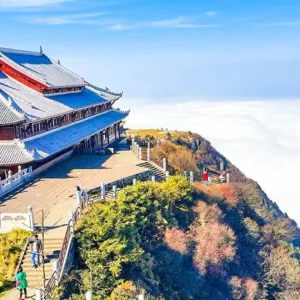
The Golden Summit is the biggest highlight of Mount Emei, from there you will get the first impression of the multi-faced golden statue (48m) of Samantabhadra Bodhisattva. Don’t forget to visit the bronze Huangzang Temple which is the first temple established on Mount Emei in the 1st century CE. In Golden Summit you will have the chance to see two of its four spectacles: clouds sea and Buddha rays (the other two is sunrise and saint lamps). On clear days, you can even see Mount Gongga (7556m, the King Mountain of Sichuan) and Wawu Mountain (Asia’s largest Table Mountain).
After 1.5 hours of sightseeing in the Golden Summit area, you will return to the foot of Mt Emei by cable car and sightseeing bus to the tourist center. Then you will head back to Chengdu (200km, about 2.5 hours).
Enjoy your free time in Chengdu until you tour guide meet you at your hotel lobby, then escort you to train station for your train to Xian (about 3.5-4.5 hours)
Welcome to Xian, the capital of 13 ancient China dynasties! Upon your arrival at the train station in Xian, the tour guide and driver will meet and greet you at the exit, and then escort you to the well-selected hotel in Xian. The rest of the day is free on your own to explore by yourselves around your hotel.
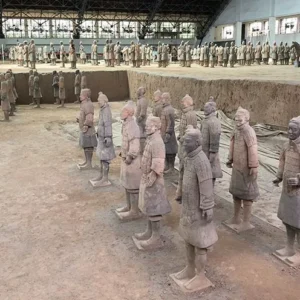
After breakfast, your guide and driver will pick you up at your hotel. Drive about 40km (about 1 hour) to uncover one of the greatest archaeological discoveries in the world – the Terracotta Army Museum, which was built by the first emperor of China – Qin Shihuang to protect him in his afterlife. There are about 8,000 vivid life-size Terracotta Warriors found so far. First, pay a visit to the largest and most imposing pit which is believed to contain over 6,000 terracotta figures of soldiers and horses. You will be amazed by the subterranean life-size army of thousands silently standing and guarding the emperor and also be awed by the fabulous artistic skills of ancient Chinese artisans. Next, move to another pit where you can feast your eyes with around 1300 warriors and horses. You can get to examine the ancient army array by visiting the kneeling and standing archers, the chariot war array and numerous troopers holding weapons, etc.
After lunch, drive back to downtown to visit the Ancient City Wall (also known as the Fortification of Xian). The city wall is a kind of defensive structure in Ancient Times and represents one of the oldest, largest, and best-preserved Chinese city walls. Spend some time leisurely walking on the wall and enjoy its inner and outer walls, watchtowers, and moat, and have panoramic views of modern Xian.
Late in the afternoon, go to explore the vivid local life when you go to wander happily around the bustling and lively Muslim Quarter. It is a paradise mixed with different local snacks and Muslim culture.
This morning, your guide and driver will pick you up at your hotel and take you to visit Giant Wild Goose Pagoda (Big Wild Goose Pagoda). Standing in the Da Ci’en Temple complex, the Giant Wild Goose Pagoda (World Heritage) was originally built in Tang Dynasty which is about 1,370 years ago, it is functioned to collect Buddhist materials that were taken from India by the hierarch Xuanzang. You can learn more from your guide about Xuanzang who set off from Chang’an (the ancient Xi’an) along the Silk Road, using 17 years to traversing 100 countries, finally arriving in India, the cradle of Buddhism.
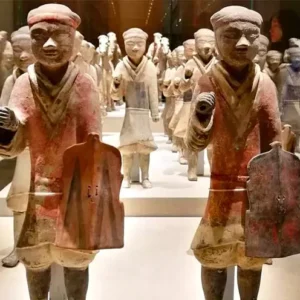
After that transfer to Shaanxi History Museum. Regarded as “the Pearl of ancient dynasties and house of Chinese treasures”, it has collections of 130,000 historical artifacts, showing visitors a miniature overview of thousand years of Chinese history and the splendid ancient cultures of old times. Enjoy the educational visit while exploring historical relics ranging from bronze ware from the Western Zhou Dynasty, and terracotta figures, to gold and silverware and murals discovered in Tang tombs.
After the tour, you will be transferred to the train station for your bullet train to next destination – Beijing (4.5 – 5.5 hours). Upon arrival in Beijing, your guide will meet you at the train station and escort you to your hotel. The rest of the day is free on your own so you can explore by yourself around your hotel.
Today you will spend the whole day exploring the ancient citadel Beijing through China’s famous landmarks, epic imperial grandeur and royal gardens.
After breakfast, your guide will pick you up at your hotel and then head to Tian’anmen Square, which is the world’s largest public square and also the symbol of China. It has witnessed many big events in China over the past decades and from here you can take good pictures of Tiananmen Gate showing on CCTV News every day.
Walk across the square and you will visit the might and splendor of the awe-inspiring Forbidden City, the world’s largest palace complex and one-time home to 24 emperors of China. Listed as a world heritage site, Forbidden City has about 500 years’ history, and served as the political and ritual center of China during the Ming (1368-1644) and the Qing (1644-1911) dynasties. With over 8,728 rooms, the Forbidden City is not only China’s largest and best-preserved collection of ancient buildings, but also a city within the city, like the Vatican in Rome. Enter through Meridian Gate and visit along the central axis to ensure you won’t miss any highlighted palaces. You can admire its brilliant architecture and numerous ancient art treasures while listening to your guide and learning more about the emperors’ stories hidden inside the Imperial Palace. Later, take another 15-minute walk up to Jingshan Park, where you can have a magnificent panorama of modern Beijing and princely views over the russet roofs of the Forbidden City.
In this afternoon, drive to the “Museum of Royal Garden” – Summer Palace, which used to be the resort for royal families to flee summer heat. The grounds, temples, gardens, pavilions, lakes, bridges, gate-towers, and corridors are a marvel of landscaping. Enjoy the leisure walk and take your time to appreciate the imperial architectures, hilltop views, and beautiful lakes, which offer a pastoral escape into the landscapes of traditional Chinese painting.
Recommended Optional Activity: You can try the famous Peking Roasted Duck at Quanjude this evening.
In this morning, you will head northwest of Beijing (about 1.5-2 hours’ drive, 73km) to the Great Wall at Mutianyu. The Great Wall boasts a history over 2,000 years and stretches more than 3,000 miles across several provinces of northern China, making it one of the most impressive ancient masterpieces on the planet. Mutianyu Great Wall is connected with the Jiankou Great Wall in the west and the Gubeikou Great Wall in the east. Mutianyu is the longest and best fully-restored Great Wall with fewer tourists and is also famed for its 23 Ming-era watchtowers and stunning views. Take the cable car up to the 14th watchtower and then enjoy the memorable hiking time on the wall while visiting its western route. With the green pines and cypresses covering the surrounding area, and the winding wall standing majestically on the vast land, you will capture the most stunning natural scenery in this section. Challenge yourselves while climbing up to the 20th watchtower where you could fulfill your Great Wall dream. Cherish the chance and take photos as many as you like!
After the once-in-lifetime experience, head back to downtown Beijing and have the chance to take photos with the exterior of the Bird’s Nest (Beijing National Stadium) and Water Cube (Beijing National Aquatics Center). They were both designed for the 2008 Beijing Olympics and used for the 2022 Winter Olympic Games.
After that, transfer back to your hotel and have a good rest tonight.
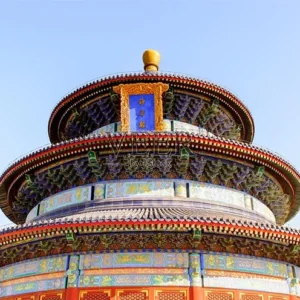
This morning you will head to Temple of Heaven. Located in Beijing’s Tiantan Park, the Temple of Heaven is much bigger than the Forbidden City and smaller than the Summer Palace. As a World Heritage, the Temple of Heaven (Taoist temple) is also known for its rigorous symbolic layout, peculiar structure, and magnificent decoration. The Temple of Heaven used to be a place to offer sacrifice to Heaven by 22 Chinese emperors twice a year for good harvests. You can learn more about the grand praying ceremony there, as well as observe the amazing designs such as the Echo Wall and the Triple Sound Stones. Nowadays, it is also a park for local people to do morning exercise and you are welcome to join them.
If there is more time, you can also enjoy the relaxing time exploring the ordinary local life through the old Hutongs. Take a rickshaw tour to travel through the narrow alleys with many featured shops standing on both sides.
Then, it is time to end your 16-day China tour. Your guide will escort you to the airport/train station for your flight or high-speed train to your next destination.
Thank you for choosing HelloChinaTrip for your Yunnan tour. We are always here working for you and hope to see you again for your next trip to China/Asia. Safe journey!
What’s Included
- Guide Service: English-speaking guides provided throughout the trip.
- Attraction Tickets: Entrance tickets for all listed attractions are included, guaranteeing full visits. In case of unexpected circumstances, alternative arrangements will be discussed with the tourists.
- Transportation Arrangement: air-conditioned vehicles.
- Accommodation: Throughout the trip, stay in hotels/cities as listed in the itinerary.
- Meals: Breakfast is included at the hotel. For detailed meal information, please refer to the itinerary.
- Handling Fee:Our service from tour planning, handling, operational and finishing your trip.
What’s Excluded
- Visa;
- Optional activities and experiences recommended in the itinerary.
- Check-In and Check-Out Times: Check-in time for the hotels is generally after 14:00 (2:00 PM), allowing you to settle in and freshen up before starting your Yunnan Tour. On the day of departure, please check out before 12:00 noon to ensure a smooth transition and allow time for the hotel staff to prepare for incoming guests.
- Personal Expenses: Other personal expenses such as laundry, telephone, internet, fax, etc., within the hotel.
- Tipping: Tips for drivers and guides (Tipping practices may vary depending on the region and nature of service; it is recommended to consult the guide's opinion in advance).
- Unexpected Circumstances: In case of uncontrollable and non-agency-related factors (such as natural disasters, war, strikes), flight delays or cancellations, delayed visa processing at embassies, insufficient number of participants, the travel agency reserves the right to cancel or modify the itinerary. Additional charges may apply for expenses beyond the agency's control (e.g., visa fees, accommodation, meals, transportation, adjustments in airfares).
Important Travel Tips for Visiting Yunnan
1.Altitude Awareness:
Yunnan is a highly mountainous province, with many destinations situated at high elevations. Be prepared for potential altitude sickness, especially if traveling to places like Lijiang (2,400m) or Shangri-La (3,400m). Acclimate gradually and stay hydrated.
2.Dress in Layers:
Yunnan’s climate can vary dramatically, even within the same day. Bring clothing that can be easily layered, as temperatures can fluctuate significantly, especially in the highlands.
3.Pack Sun Protection:
The high-altitude sun in Yunnan can be intense. Wear sunscreen, hats, and sunglasses to protect yourself from sunburn and UV exposure.
4.Respect Local Customs:
Yunnan is home to a diverse array of ethnic minority groups. Be mindful of local customs and traditions, and ask for permission before taking photographs of people.
5.Try Local Cuisine:
Yunnan is renowned for its diverse and flavorful cuisine. Be adventurous and sample local specialties like crossing-the-bridge noodles, Yunnan ham, and the region’s unique variety of mushrooms.
6.Prepare for Weather Variations:
Yunnan can experience sudden changes in weather, from heavy rains to snow, even during the same trip. Pack appropriate clothing and gear to be prepared for varying conditions.
By keeping these tips in mind, travelers can help ensure a safe, enjoyable, and enriching experience during their visit to the stunning Yunnan province.
Similar Experiences
Related products
-
10 Days Yunnan Photography Tour to Dongchuan Red Land, Kunming, Dali, Lijiang & Shangri-La
Yunnan Tours$2,400.00 – $12,000.00Rated 5.00 out of 5 -
6 Days Essential Yunnan Tour: Lijiang Shangri-La Kunming Highlights
Yunnan Tours$1,000.00 – $5,000.00Rated 4.80 out of 5 -
8 Days Tibet Discovery Tour from Lhasa to Mount Everest Base Camp
Tibet Tours$1,600.00 – $8,000.00Rated 5.00 out of 5
Emily Anderson –
I’ve traveled to many countries, but this customized 16-day China tour stands out. From Shanghai’s Bund to Beijing’s ancient temples, every stop felt special. The flexibility to adjust the schedule — like spending more time at Jade Dragon Snow Mountain — made it feel like the trip was designed just for us.
Carlos Herrera –
From the Terracotta Warriors in Xi’an to the breathtaking Stone Forest in Kunming, this tour covered so much of China’s history and landscapes. Because it was private, our family could travel at our own pace and enjoy every moment. The guides were very knowledgeable and patient.
Williams –
Sixteen days sounded long, but with such a well-planned private itinerary, time flew by. I loved how we could balance sightseeing with relaxation — one day exploring the Forbidden City in Beijing, the next enjoying the tranquil lakes in Dali. It was truly a personalized journey across China.
Clarke –
What I loved most was the flexibility. In Yunnan, we had extra time to enjoy the old towns of Lijiang and Dali, with their unique ethnic culture. Our private guide also arranged a peaceful hike in Shangri-La just for us. This was not a standard group trip — it was tailored to our interests.
Luca Bianchi –
This was the perfect mix of culture, nature, and history. Seeing pandas in Chengdu, walking along the Great Wall, and exploring Yunnan’s ethnic villages all in one trip was amazing. Having private guides in each city made the experience smooth and stress-free.
David Nelson –
This 16-day private journey through China was the best travel experience of my life. We started in Shanghai’s modern skyline, then flew to Chengdu to see the adorable pandas, and finally ended in Beijing at the Great Wall. Every detail was customized to our preferences, and we never felt rushed.