



11 Days Beijing Datong Hohhot Baotou Ordos Tour – Explore 3 Ancient Capitals of China
Must-see & Must-do:
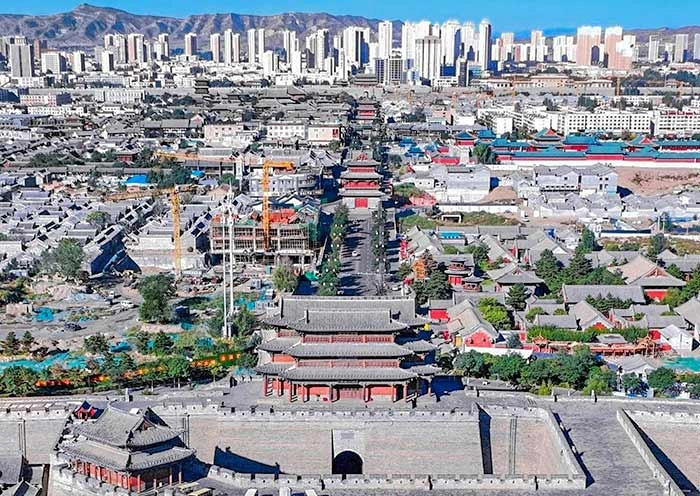
Highlight 1: Explore 3 ancient capitals of China from Beijing, a former capital of 6 dynasties, to Datong, the capital of the Northern Wei Dynasty (386-534 AD), then Hohhot, the capital city before the Northern Wei Dynasty move to Datong. Compare how these ancient centers were planned.
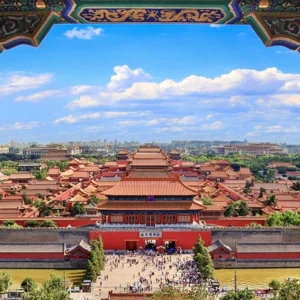
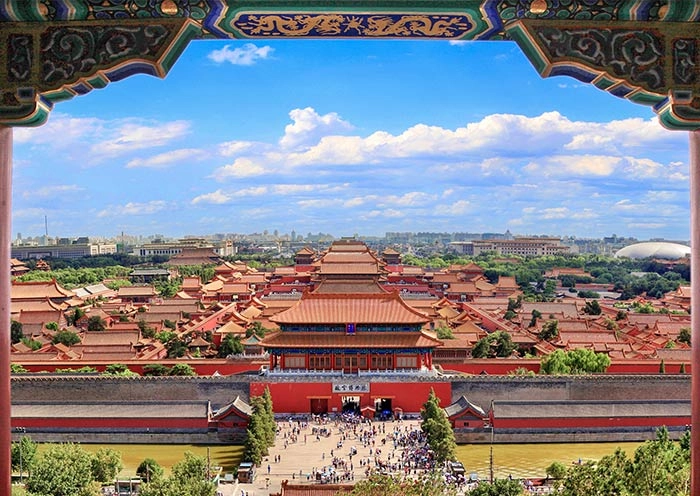
Highlight 2: Walk and explore in the the largest imperial capital city still existing in China – Forbidden City which was the imperial palace of China for about 600 years and was home to 24 emperors in history – 14 of the Ming Dynasty and 10 of the Qing Dynasty.
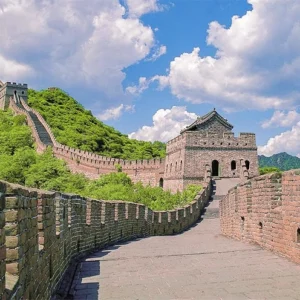
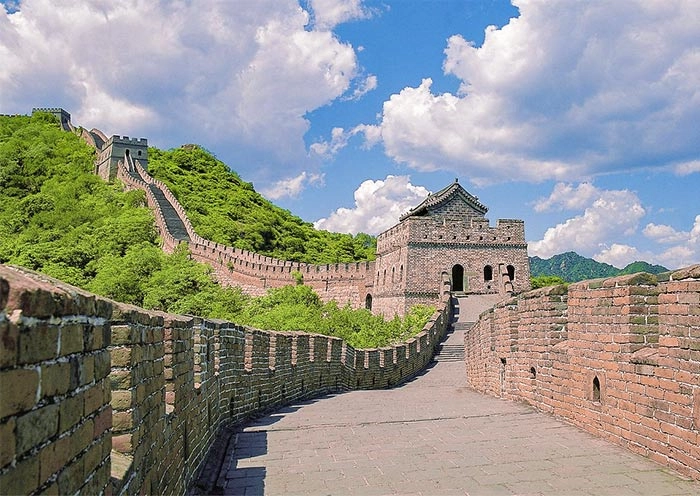
Highlight 3: Hike on the magnificent Mutianyu Great Wall, which is less crowded and best fully resorted great wall, offering spectacular landscape like a traditional Chinese painting scroll.
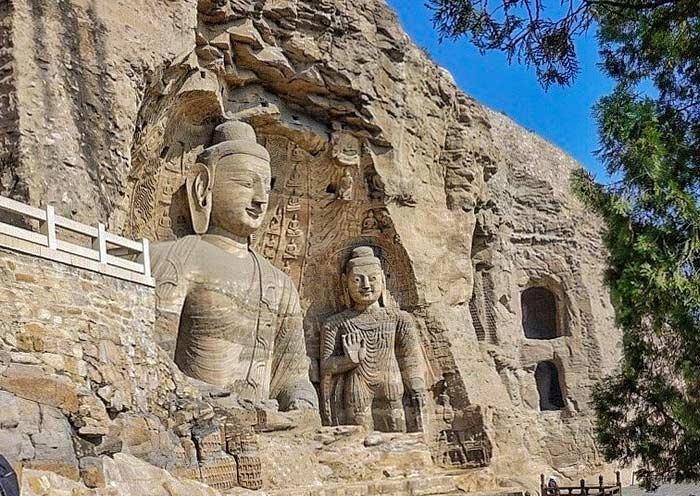
Highlight 4: A Datong tour designed for Architecture fans to revel in the treasure trove of Shanxi Ancient Architecture. Follow in Black Myth: Wukong’s footsteps to explore its film locations: Yungang Grottoes, Huayan Temple, Shanhua Temple & Hanging Temple.

Highlight 5: Explore Datong, the “Key to Northern China” which is a paradise for architecture and history enthusiasts and a city that left a lasting impression on the famous architect couple – Liang Sicheng and Lin Huiyin, who played a pivotal role in preserving and studying Shanxi Ancient Architecture.
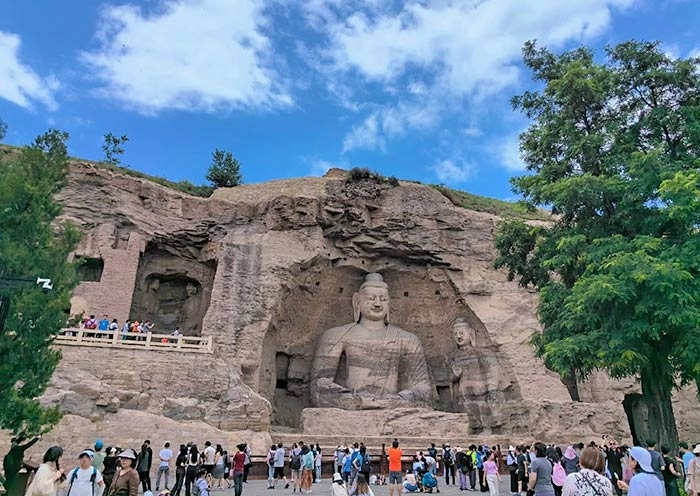
Highlight 6: Get close to Yungang Grottoes Temple (World Heritage), one of the Four Great Grottoes of China. Unveil “Five Caves of Tan Yao” and appreciate Grand Buddha Caves, Buddha Hall Caves & Stupa Temple Caves from Gandhara art to localized styles.
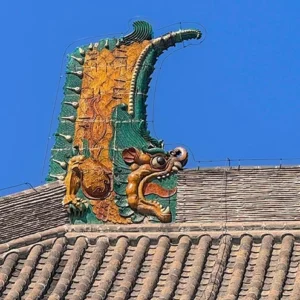
Highlight 7: Visit over 1,000-year-old Huayan Temple, a Khitan-style Temple that faces East. Explore the royal temple of the Liao Dynasty for its 4.5-meter-tall Chiwen, the biggest Great Buddha Hall, 43-meter-high Huayan Pagoda & its 100-ton copper palace.
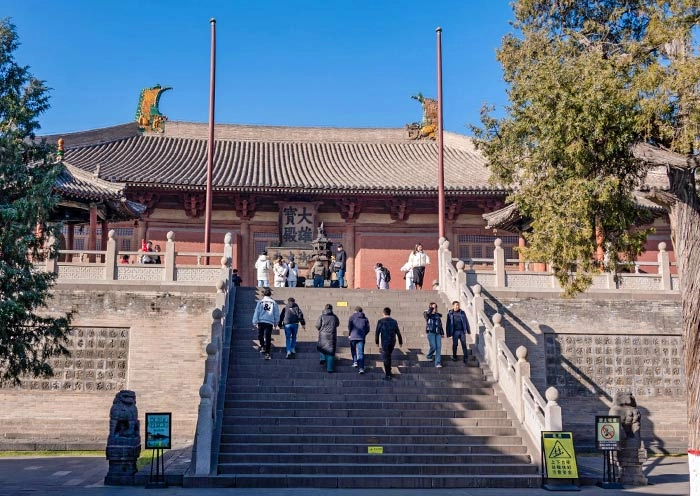
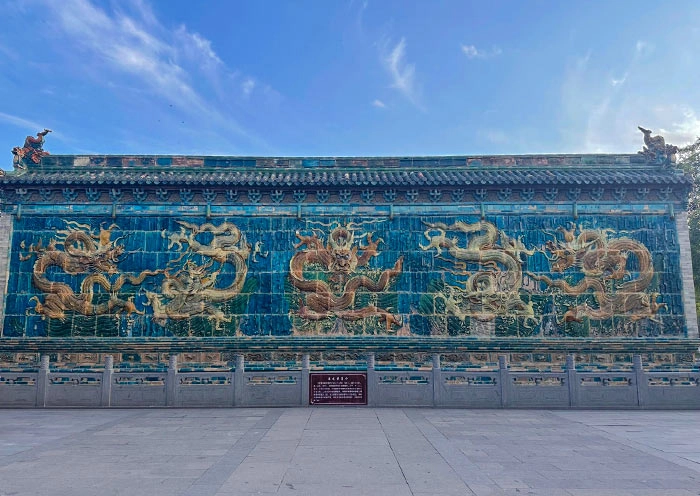
Highlight 8: Admire Shanhua Temple, a classic Han-style Temple that facing South. As the most beautiful temple inside Datong Ancient City, you can admire Five Dragon Screen Wall, Shanhua Temple’s treasure – Zhu Bian Stele, octagonal coffered ceiling, and more.
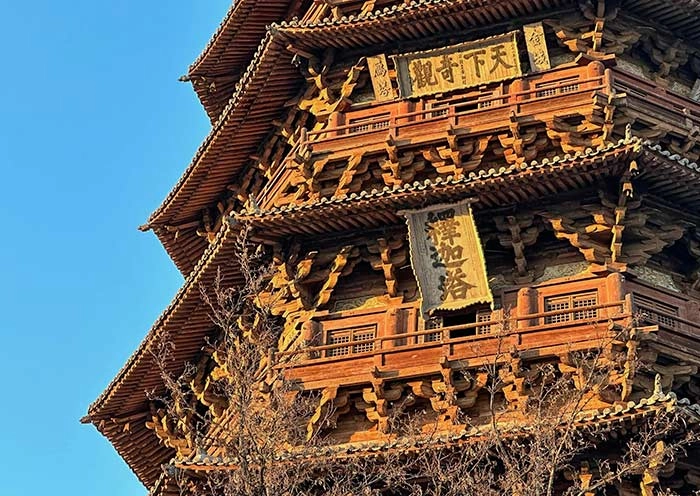
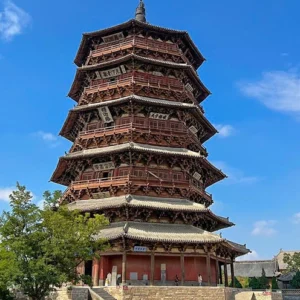
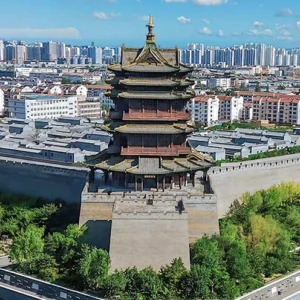
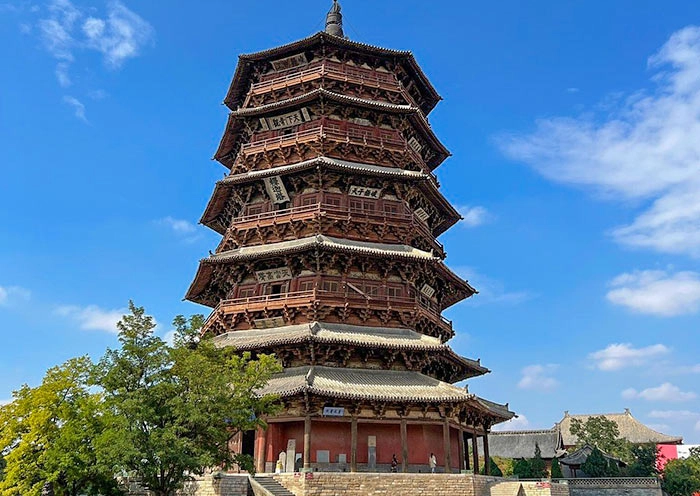
Highlight 9: Yingxian Wooden Pagoda holds the Guinness World Record as the “world’s tallest wooden pagoda.” As one of the “Three Great Wonders of the World’s Towers, it was constructed entirely without nails, relying instead on tens of thousands of interlocking wooden components (like a giant wooden “Lego”).
Highlight 10: Discover Hohhot, the capital city of Inner Mongolia. Get more about Mongolian Culture & history by visiting the must-visit places like Dazhao Temple (Silver Buddha Temple), Inner Mongolia Museum (or Inner Mongolia Nature Museum).

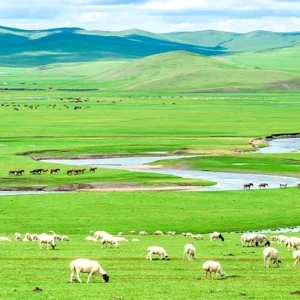
Highlight 11: Uncover Mongolian Nomadic Life through Grassland Activities in Xilamuren, communicate with local Herdsman, overnight at a Mongolian Traditional Yurt for a starry night, join a Bonfire Party with Mongolian singing and dancing…
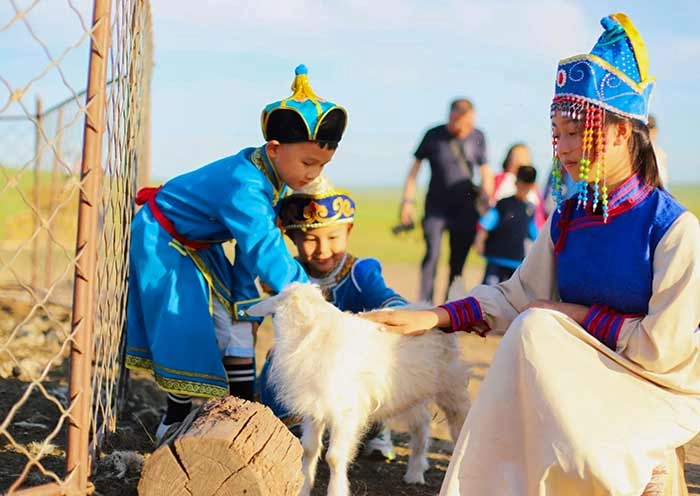
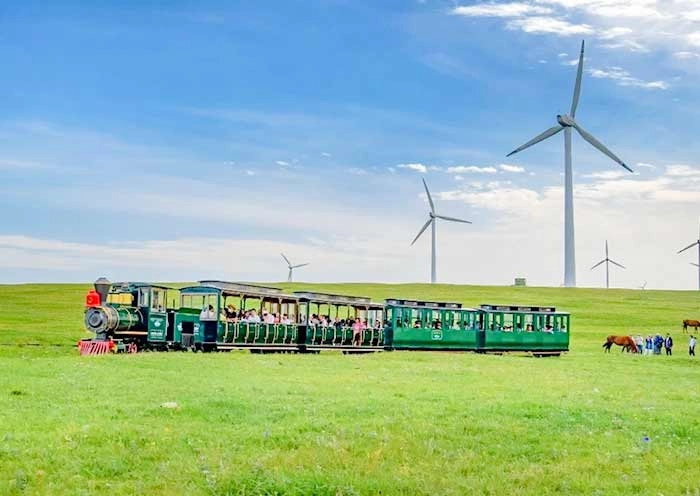
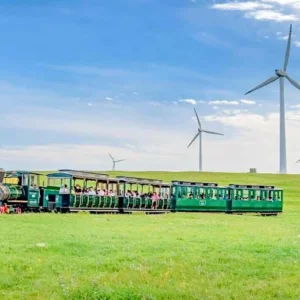
Highlight 12: Experience Huitengxile’s Yellow Flower Valley! Witness the “Meeting at Aobao” show, depicting Mongolian worship, love story & festivals. Explore the 10 km valley, offering scenic train rides, unique geology & optional fun like animal feeding, grass sliding…
Highlight 13: Discover Hohhot, the capital city of Inner Mongolia. Get more about Mongolian Culture & history by visiting the must-visit places like Dazhao Temple (Silver Buddha Temple), Inner Mongolia Museum (or Inner Mongolia Nature Museum).
Itinerary Quick Look:
Nihao! Welcome to Beijing, the capital city of China! Upon your arrival at the airport/train station in Beijing, the tour guide and driver will meet and greet you at the exit, and then escort you to the well-selected hotel in downtown Beijing. The rest of the day is free on your own so you can have a good rest for the jet lag or explore by yourself around your hotel.
Arrival Ideas:
Beijing is well connected by air and high speed rail. There are two airports – Beijing Daxing International Airport and Beijing Capital International Airport operating many international and domestic airlines. Travelers can go to Beijing by air from most cities of China, like Hong Kong, Shanghai, Guangzhou, Chengdu, Xian, Guilin, Hangzhou, Kunming, Wuhan, Xiamen, Guiyang, Chongqing, and Lanzhou. In addition, travelers can take the high speed train to Beijing from Xian (4-5 hours), Shanghai (4.5-6 hours), Zhengzhou (2.5-3 hours), Wuhan (4-5 hours), Harbin (5-5.5 hours), etc.
Free Time Ideas:
You are welcome to ask your tour guide for some useful tips to spend your free time based on your time and interest.
Today you will spend the whole day exploring the ancient citadel Beijing through China’s famous landmarks, epic imperial grandeur and royal gardens.
After breakfast, your guide will pick you up at your hotel and then head to Tian’anmen Square, which is the world’s largest public square and also the symbol of China. It has witnessed many big events in China over the past decades and from here you can take good pictures of Tiananmen Gate showing on CCTV News every day.
Walk across the square and you will visit the might and splendor of the awe-inspiring Forbidden City, the world’s largest palace complex and one-time home to 24 emperors of China. Listed as a world heritage site, Forbidden City has about 500 years’ history, and served as the political and ritual center of China during the Ming (1368-1644) and the Qing (1644-1911) dynasties. With over 8,728 rooms, the Forbidden City is not only China’s largest and best-preserved collection of ancient buildings, but also a city within the city, like the Vatican in Rome. Enter through Meridian Gate and visit along the central axis to ensure you won’t miss any highlighted palaces. You can admire its brilliant architecture and numerous ancient art treasures while listening to your guide and learning more about the emperors’ stories hidden inside the Imperial Palace. Later, take another 15-minute walk up to Jingshan Park (View Beijing Central Axis, World Heritage), where you can have a magnificent panorama of modern Beijing and princely views over the russet roofs of the Forbidden City.
In this afternoon, drive to the “Museum of Royal Garden” – Summer Palace, which used to be the resort for royal families to flee summer heat. The grounds, temples, gardens, pavilions, lakes, bridges, gate-towers, and corridors are a marvel of landscaping. Enjoy the leisure walk and take your time to appreciate the imperial architectures, hilltop views, and beautiful lakes, which offer a pastoral escape into the landscapes of traditional Chinese painting.
Recommended Optional Activity: You can try the famous Peking Roasted Duck at Quanjude this evening.
In this morning, you will head northwest of Beijing (about 1.5-2 hours’ drive, 73km) to the Great Wall at Mutianyu. The Great Wall boasts a history over 2,000 years and stretches more than 3,000 miles across several provinces of northern China, making it one of the most impressive ancient masterpieces on the planet. Mutianyu Great Wall is connected with the Jiankou Great Wall in the west and the Gubeikou Great Wall in the east. Mutianyu is the longest and best fully-restored Great Wall with fewer tourists and is also famed for its 23 Ming-era watchtowers and stunning views. Take the cable car up to the 14th watchtower and then enjoy the memorable hiking time on the wall while visiting its western route. With the green pines and cypresses covering the surrounding area, and the winding wall standing majestically on the vast land, you will capture the most stunning natural scenery in this section. Challenge yourselves while climbing up to the 20th watchtower where you could fulfill your Great Wall dream. Cherish the chance and take photos as many as you like!
After the once-in-lifetime experience, head back to downtown Beijing and have the chance to take photos with the exterior of the Bird’s Nest (Beijing National Stadium) and Water Cube (Beijing National Aquatics Center). They were both designed for the 2008 Beijing Olympics and used for the 2022 Winter Olympic Games. After that, transfer back to your hotel and have a good rest tonight.
Welcome to Datong, a must-visit city located in the Shanxi province of China! Upon arrival, your guide will meet you and escort you to your hotel. You can explore on your own based on your arrival time. Feel free to seek travel ideas from your tour guide.
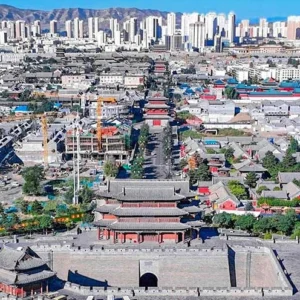
Datong (大同), literally means Great Harmony, is the northernmost city of Shanxi. It shares borders with Inner Mongolia to the north and west, and Hebei to the east. Datong, once known as the “Coal Capital of China中国煤都” due to its abundant coal resources, is now not only one of China’s earliest historical and cultural cities but also a national demonstration city for new energy, a summer resort city, and one of the top ten characteristic tourist cities on the Silk Road. Founded in 398 AD, Datong used to be called Pingcheng (平城), was once the capital of the Northern Wei Dynasty (北魏), a secondary capital during the Liao & Jin Dynasties, and a key town in the Ming & Qing Dynasties. Positioned between the inner and outer Great Walls, Datong is a vital frontier region in the north, fostering a blend of multicultural influences and unique ancient architectural styles. Situated between Beijing (ancient capital of 5 dynasties) and Xi’an (ancient capital of 13 dynasties), Datong was once the capital of 3 dynasties. It was dubbed “Beijing’s Back Garden” in the late Qing Dynasty due to Empress Dowager Cixi (慈禧). It is recorded that Marco Polo visited Datong in 1277.
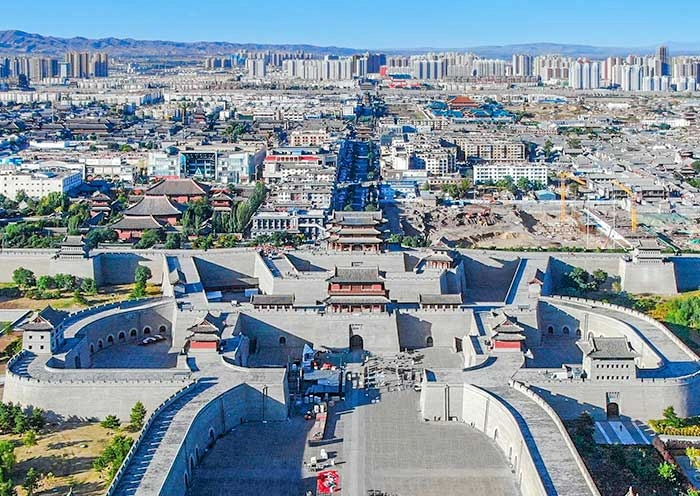
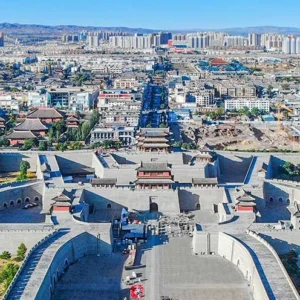
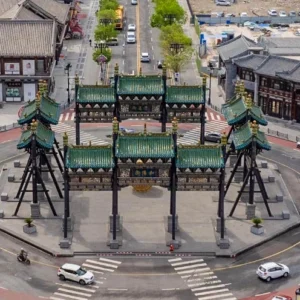
The Yu River (御河) gracefully winds its way through Datong from north to south. To its west lies the Datong Ancient City, a testament to over 1,600 years of rich history. On the east side, the Modern Datong City is rapidly emerging. The city planning of Datong (Datong Central Axis) embodies the design concept of “Twin Cities on One Axis一轴双城” by Liang Sicheng (梁思成), the father of modern Chinese architecture, harmoniously blending tradition with modernity and culture with ecology. As night falls and the city lights up, stroll from the ancient city to the banks of the Yu River, gazing at the 7 modern bridges that symbolize Datong City’s transformation and offer breathtaking views for photography and chance encounters with locals.
Travel Tips:
Datong Lantern Festival: Held annually during Chinese New Year in the ancient city of Datong, this festival sees thousands of colorful lanterns lighting up the city walls and streets. Contact us for a Chinese New Year Tour in Datong to immerse in traditional performances, savor local delicacies, and explore unique handicrafts, creating a magical experience steeped in Chinese culture.
Free Time Ideas:
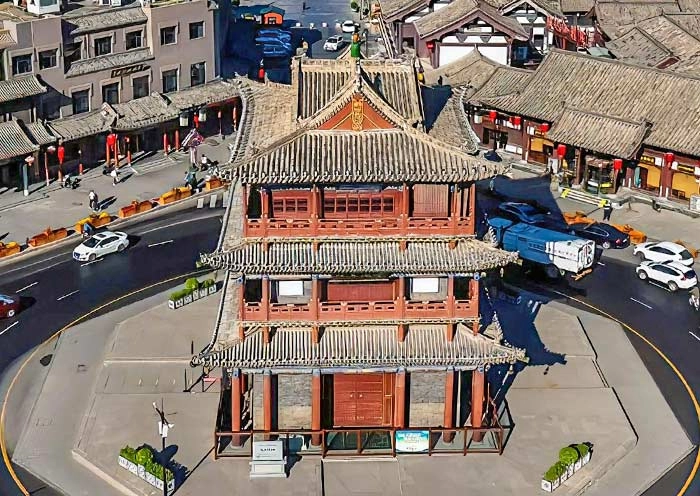
1.Datong City Walk Tour in Datong Ancient City (Half-day & Full-day): Explore landmarks of Datong such as Nine Dragon Wall, Daiwang Palace (Little Forbidden City of Zhu Yuanzhang’s son), Drum Tower, Bell Tower, Sipailou (Four Decorative Gateways), Fahua Temple (White Pagoda of Ming Dynasty), Guandi Temple (Buildings of Yuan Dynasty)…
2.Datong Culture Tour with Museums (Half-day & Full-day): Datong Museum (national first-class museum; the same level as The Palace Museum;大同市博物馆), Datong Art Museum (大同美术馆), China Sculpture Museum (中国雕塑博物馆), Liang Sicheng Memorial Hall (梁思成纪念馆)… Double check if they Closed on Mondays.
3.Datong Evening Show (Peak Season Only; Self-pay; 天下大同). The performances at the Daiwang Palace are mainly based on the “Great Harmony in the World” series, you can immerse yourself in The Glory of the Ming Dynasty (over 600 years ago).
Arrival Ideas:
Get to Datong By High-speed Train: Datong South Railway Station provides high-speed trains to Beijing (2-2.5h). Contact us for ticket booking.
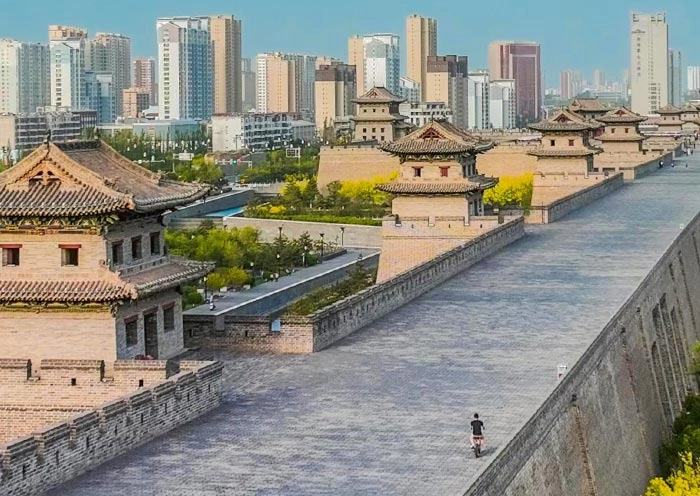
Today you will enjoy a Datong Architecture Tour by visiting 3 filming locations for Black Myth: Wukong, namely Yungang Grottoes, Huayan Temple, and Shanhua Temple. If time permits, you can explore more inside Datong Ancient City, such as biking on the Datong Ancient City Wall (Self-pay) for sunset.
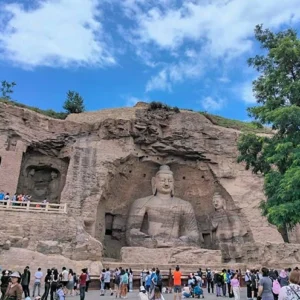
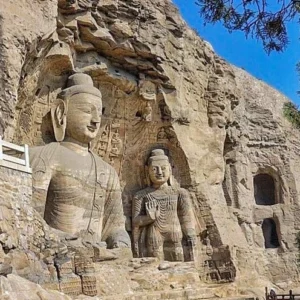
In the morning, head to Yungang Grottoes, a World Cultural Heritage site. The Yungang Grottoes Temple is one of the Four Great Grottoes of China, alongside the Mogao Caves in Dunhuang, the Longmen Grottoes in Luoyang, and the Maijishan Grottoes in Tianshui. Carved over 1,500 years ago during the Northern Wei dynasty (386-534 AD), the Yungang Grottoes were the first caves authorized by Chinese royalty and are considered the most magnificent among the four. Currently, they house 45 main caves and over 59,000 stone sculptures, with the tallest statue reaching 17 m and the smallest at 2 cm. Carved into the mountain, the grottoes stretch about 1 km from east to west, divided by natural terrain into the East Zone (Caves 1-4), the Central Zone (Caves 5-13), and the West Zone (Caves 14-45). Along this stretch, you can appreciate 3 types of caves: the Grand Buddha Caves (Caves 16-20), the Buddha Hall Caves (Twin Caves 5-6; 7-8; 9-10; 11-13), and the Stupa Temple Caves (Caves 1, 2, 6, 39). Moreover, you can observe 3 distinct styles of caves from different periods: early caves (Caves 16-20), middle caves (Caves 1-2; 5-6; 7-8; 9-10; 11-13; 3), and late caves (Caves 4, 14, 15, 20), showcasing the process of Buddhism’s introduction to China and its evolution from Gandhara art to localized styles.
The most renowned ones are the early caves of the “Five Caves of Tan Yao” (昙曜五窟; Caves 16-20), which were commissioned by the Northern Wei monk Tan Yao (昙曜) under the decree of Emperor Tuoba Xun (拓跋濬; 440-465 AD). In these cases, not only can you see images of 4 Northern Wei Emperors and 1 Prince (Cave 17) on the five large Buddha statues, but you can also witness the Great Harmony (Datong世界大同) of major world civilizations in their carvings and murals, incorporating elements from Indian, Central Asian, Greek, and Roman, which are the traces left by Alexander’s eastern campaign to India. You’ll visit Cave 20, home to the iconic Open-air Buddha Statue (露天大佛), a striking blend of Han and Gandharan styles, unveiled by an ancient earthquake. You will find more stories behind Cave 18 which features a Buddha draped in a “Thousand Buddhas Robe” (千佛袈裟), believed to represent the Emperor Tuoba Tao (拓拔焘; 408-452 AD) who forbade Buddhism.
The middle period caves represent the peak of Yungang Grottoes’ carving artistry, characterized by paired caves and two Buddhas seated in one Buddhist niche, reflecting the power struggle between the “Two Emperors” (二圣; the emperor and Empress Dowager Feng冯太后), renowned for their meticulous carving and ornate decorations. The late-period caves, constructed after the Northern Wei dynasty moved its capital from Datong to Luoyang in 494 AD, consist of many small caves built by locals (not royal family), signaling the decline of the dynasty. The figures in these caves are slender and elegant, with balanced proportions, marking the origin of China’s “slender and clear” sculpture style (瘦骨清像). Take your time to explore the brilliant caves in close distance such as Cave 12 (Music Cave), Cave 5 (The Most Beautiful Smiling Buddha), Cave 3 (unfinished Cave), Cave 9 (World Architecture Museum), and more.
Optional:(If time permit)
1.Datong Yungang Grottoes Museum (大同云岗石窟博物馆): Inside Yungang Grottoes Temple scenic area. Closed on Mondays.
2.Datong Coal Museum (大同煤炭博物馆; Self-pay): Locates outside Yungang Grottoes by the other side of the river. About 10 min’s drive (6 km away). Double check if it closed on Mondays.
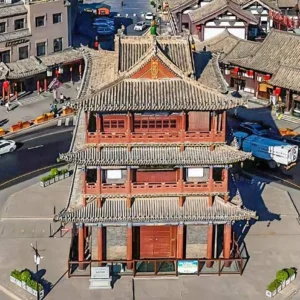
In the afternoon, head back to Datong Ancient City for its must-visit highlights such as Huayan Temple (Khitan-style Temple) and Shanhua Temple (Han-style Temple). The central axis of the ancient city of Datong has remained unchanged for over 2,300 years. Stretching from Yongtai Gate, Drum Tower, Sipailou, Kuixing Tower, to Guding Gate, this axis runs north to south for 2 kilometers. It not only connects the historical sites of the ancient city but also links its history. From the cultural integration of the Northern Wei dynasty to the historical development of the Liao, Jin, and Yuan minority ethnic regimes, it witnesses the historical changes from the Ming and Qing dynasties to modern times.
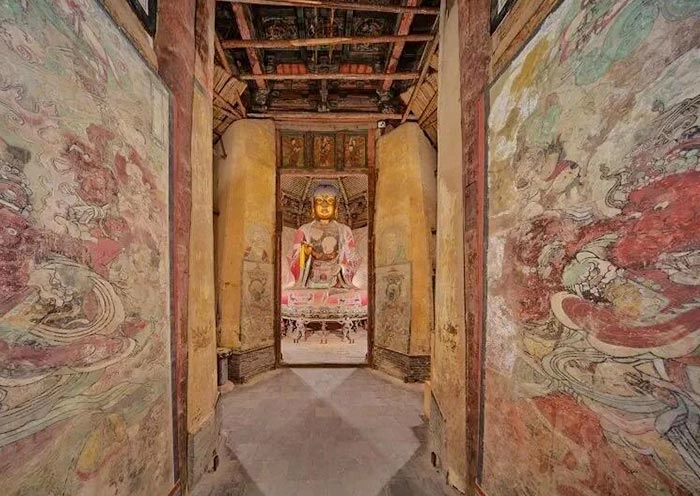
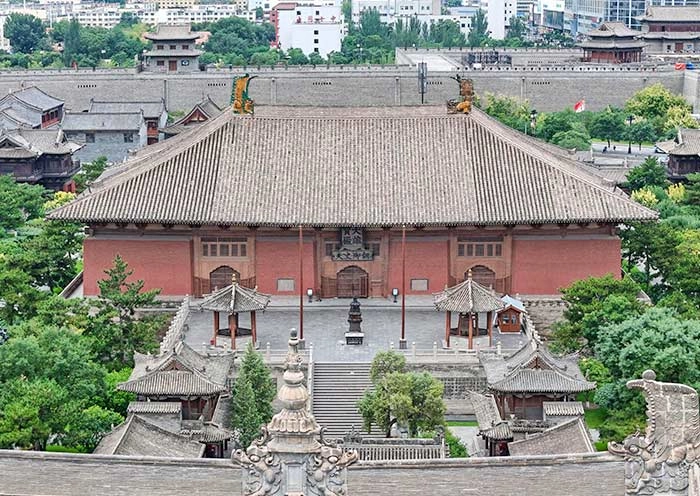
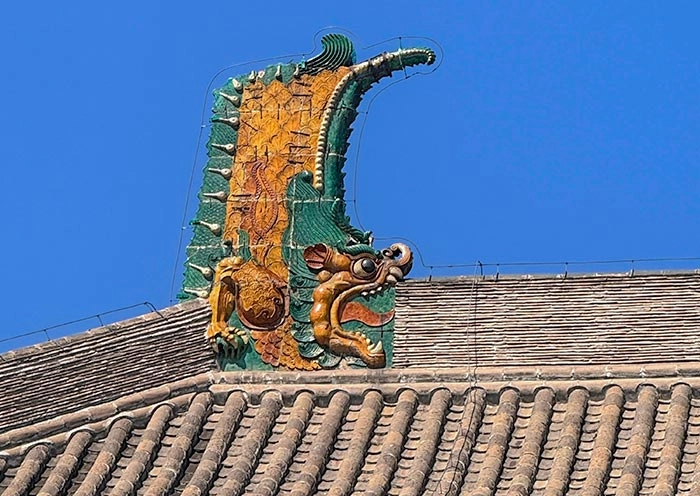
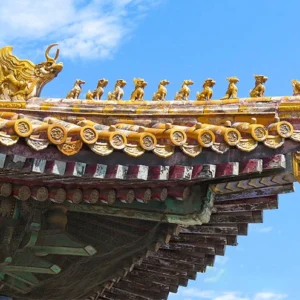
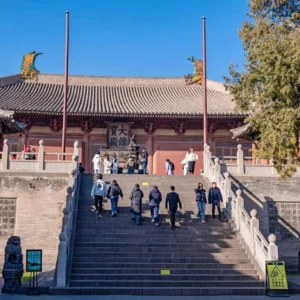
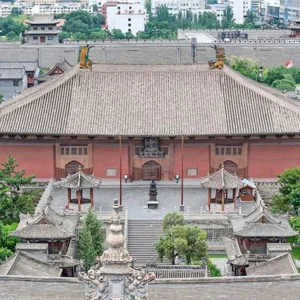
Huayan Temple, built in 1038, was acclaimed by Liang Sicheng as a “Rare Gem in the World” (海内孤品). Serving as the royal ancestral temple of the Liao Dynasty (916-1125AD), Huayan Temple was constructed facing east based on the Khitan (契丹族) saying “the sun rises in the east, and Buddhism comes from the west“(旭日东升,佛法西来), different from the traditional Han regions’ facing south. Covering an area of 66,000 square meters, the temple comprises over 30 individual buildings arranged along two main north-south axes. A highlight of Huayan Temple is the pair of 4.5 meters tall Chiwen (鸱吻; Dragon-fish roof ornament) on the ridges of the biggest Great Buddha Hall, which are the largest of their kind in ancient Chinese architecture. Don’t forget to visit the Bokar Hall (薄伽教藏殿) to admire the statue of the smiling Buddha, known as the “Eastern Venus.” You won’t want to miss the 43-meter-high Huayan Pagoda (华严宝塔), the second largest square wooden pagoda in the country with a purely wooden structure (second only to the Yingxian Wooden Pagoda), and its 500-square-meter underground palace (千佛地宫) made of 100-ton copper. Today, Huayan Temple has been restored to its pre-Ming Dynasty grandeur on its original site, allowing this thousand-year-old temple to radiate its former glory once again.
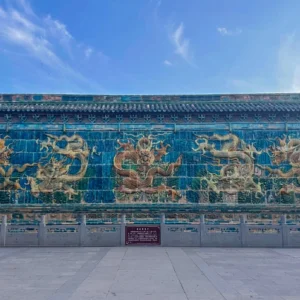
Then, pay a visit to Shanhua Temple, one of China’s largest and most intact architectural complexes from the Liao and Jin Dynasties. The temple follows the traditional Chinese architectural layout of facing south, with notable features such as the Five-Dragon Screen Wall (Ming Dynasty; 五龙壁), the mountain gate (Jin Dynasty), the Hall of Three Saints (Jin Dynasty), and the Great Buddha Hall (Liao Dynasty) gradually unfolding along the central axis, rising in tiers. The mountain gate features the Four Heavenly Kings, symbolizing national peace and prosperity. The Hall of Three Saints, named after the “Three Saints of Huayan”(华严三圣), houses Shanhua Temple’s treasure – Zhu Bian Stele (朱弁碑), and the largest known inclined arch lotus-finial corner bracket. Inside the Great Buddha Hall are twenty-four celestial figures (二十四诸天像), each uniquely crafted and lifelike, representing the pinnacle of Jin Dynasty sculptural art. Additionally, the octagonal coffered ceiling (斗八藻井) is a prime example of Liao Dynasty miniature wooden craftsmanship.
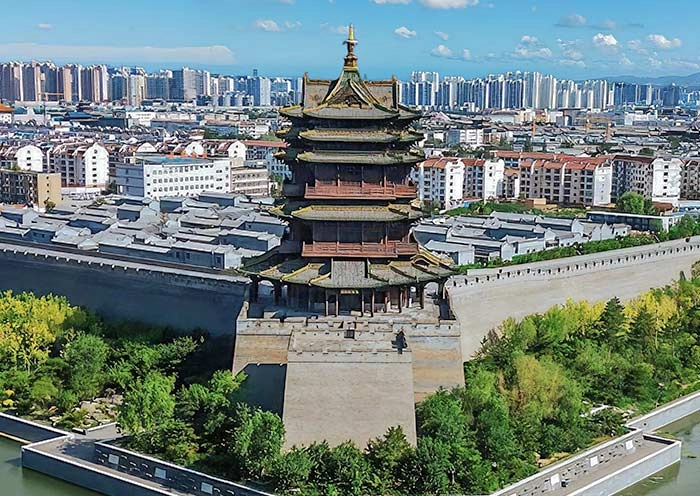
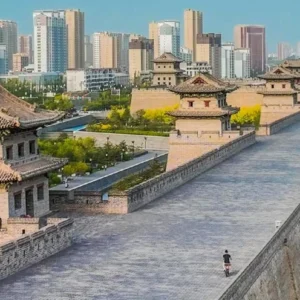
At last, if time permits, you can enjoy a Biking on Datong City Wall (Optional;Self-pay). The ancient city of Datong boasts the most well-preserved defensive system of ancient city walls. The existing walls were rebuilt during the Ming Dynasty on the foundation of the old city. It features four main gates: Heyang Gate to the east, Yongtai Gate to the south, Qingyuan Gate to the west, and Wuding Gate to the north. Each main gate has two smaller gates, totaling twelve city gates. Above the four main gates stand city towers, while moon towers, arrow towers, watchtowers, and corner towers are interspersed along the walls. Outside the gates are wengcheng (enclosed defensive structures), moon-shaped walls, and a moat, forming a complete and intricate defensive system.
Today, you will visit two must-see places in Shanxi. One is the Hanging Temple at Mount Heng in Hunyuan County, and the other is the Wooden Pagoda at Fogong Temple in Yingxian County. Finish your trip in Datong.
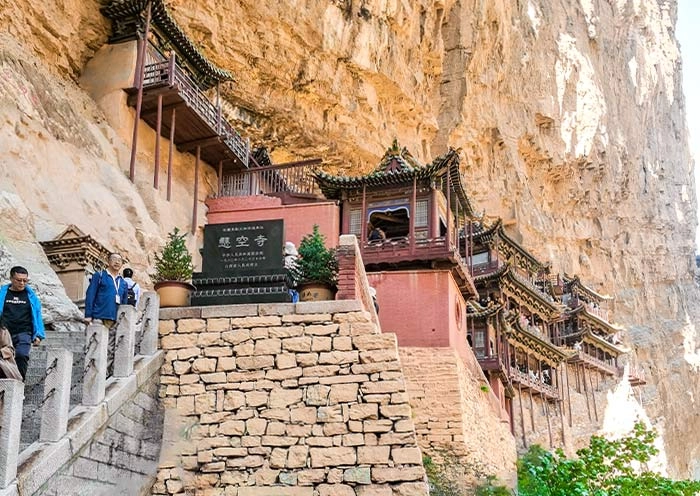
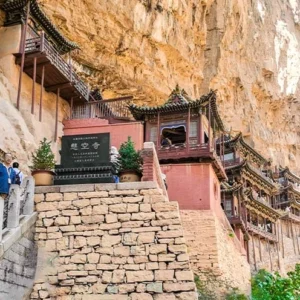
In the morning, head to Hanging Temple (悬空寺) which is about 80 km (2 hour’s drive) away from Datong. The Hanging Temple of Mount Hengshan, built during the late Northern Wei Dynasty (491 AD), is a royal construction erected by Taoist followers and has a history of over 1,500 years. It was once renowned alongside the Yungang Grottoes and is now acclaimed as one of the world’s ten most dangerous buildings. As the “First Marvel” among the Eighteen Wonders of Mount Hengshan, the Hanging Temple has always been a must-visit landmark in Shanxi. The renowned Tang Dynasty poet Li Bai (李白) left the word “Magnificent壮观” here, while the Ming Dynasty explorer Xu Xiake (徐霞客) left the inked masterpiece “a wonder of the world天下奇观.” Originally named “Xuankong Ge玄空阁,” the Hanging Temple is a unique temple in China that integrates Buddhism, Taoism, and Confucianism. “Xuan玄” is derived from Taoist principles, while “Kong空” originates from Buddhist teachings. The name “Hanging悬” was derived because the entire temple complex appears to hang on the cliff, with “Hanging” and “Xuan” being homophones in Chinese.
Approaching the Hanging Temple, the earliest and best-preserved wooden-structured cliffside ancient building in China, you can marvel at its “Perilous奇险” nature. The main architectural complex is supported by 30 prominent wooden pillars (work during earthquakes) and hidden horizontal wooden beams embedded in the rock face (bearing the weight), with the highest point, the Hall of the Three Religions (三教殿), standing about 90 meters above the ground, creating a millennium-old architectural marvel on the cliff. Stepping into the Hanging Temple, you can appreciate its “Compactness小巧.” With a layout of “One Temple, Two Towers,” covering an area of about 921 square meters, a total length of about 32 meters, and comprising 40 pavilions and halls, it houses over 80 bronze, iron, clay, and stone-carved Buddha statues. The aerial walkway connecting the north and south towers is the essence of the “Hanging悬” aspect of the Hanging Temple, with the existing structure being restored during the Ming and Qing dynasties. Climbing up involves slow queues on the narrow walkway, with wooden planks above and stone slabs below. The lotus patterns on the wooden stairs symbolize “ascending to auspiciousness” which is a unique feature of this temple. Standing at the Hanging Temple, you will marvel at the “Ingenious精妙” choice of location. The temple is built into the crevices of the precipice, shielded by massive cliffs above and stone walls on the sides, avoiding rainwater, sunlight (3 hours per day), and wind erosion on the temple buildings.
In the Hanging Temple, you can not only appreciate the beauty of Chinese ancient architecture through murals, colored sculptures, and carvings but also discover a world where three religions harmoniously coexist (Great Harmony/Datong). In the Pure Yang Palace (纯阳殿), you can witness the Taoist deity Lü Dongbin (吕洞宾); in the Hall of Thunderous Sounds (雷音殿), you can see the enshrined Buddhist Gautama Buddha (释迦牟尼); and in the Hall of Three Religions (三教殿), you will find offerings to Laozi, Buddha, and Confucius simultaneously. After visiting the Hanging Temple, you will undoubtedly be awed by the millennial wonder that integrates mechanics, aesthetics, art, religion, architecture, culture, and the wisdom of ancient people.
Travel Tips:
1.Due to the narrowness of the walkway at the Hanging Temple and the relatively steep stairs, not friendly to those who fear heights, elderly persons, and infants.
2.Due to the narrow walkway at the Hanging Temple, leading to potentially long waiting times during peak hours.
3.The Hanging Temple only receives sunlight for about 3 hours per day. For photography enthusiasts, it is recommended to visit in the morning for better lighting conditions.
In the afternoon, head to Yingxian Wooden Pagoda which is 55km (1 hour’s drive) away. Yingxian Pagoda, originally named the Sakyamuni Pagoda of Fogong Temple, was built in 1056 and is one of only eight surviving Liao Dynasty wooden structures in China. Standing at a height of 67.13 meters, equivalent to a modern 20-story building, it has been certified by the Guinness World Records as the “World’s Tallest Wooden Pagoda.” Ancient craftsmen constructed the wooden pagoda without using a single iron nail, relying entirely on the interlocking of thousands of wooden components (similar to Lego). Throughout a millennium, it has withstood more than 40 earthquakes and endured over 200 cannonball strikes during wartime, yet it remains standing tall, a true marvel. Additionally, the pagoda houses two relics of the Sakyamuni Buddha’s tooth, making the Yingxian Wooden Pagoda an exemplary ancient architectural wonder and a center and sacred site of Buddhist culture.
The Yingxian Wooden Pagoda, the Leaning Tower of Pisa, and the Eiffel Tower are known as the “Three Great Pagodas of the World.” Standing before the Yingxian Wooden Pagoda, you may notice a slight tilt in the structure. This tilt was caused in the 1930s when local gentry dismantled internal braces and mud walls to improve the appearance and lighting, resulting in the lean. In 1933, Liang Sicheng measured the pagoda and proposed a restoration plan upon discovering the tilt. The pagoda continues to lean at a rate of 2 millimeters per year. Currently, for the safety of visitors and the ancient structure, climbing the pagoda is prohibited, and visitors can only admire it from the outside and visit the ground floor.
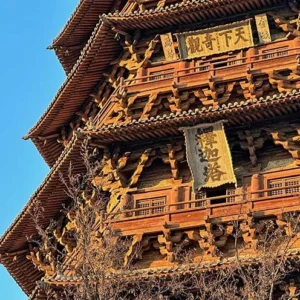
When visiting the Yingxian Wooden Pagoda, be sure to appreciate its bracket sets. The pagoda features 54 types of brackets in 240 sets, making it the pagoda with the most diverse use of brackets in ancient Chinese architecture, earning it the title of the “Bracket Museum斗拱博物馆.” You cannot miss the more than 50 inscribed plaques hanging on the pagoda—treasures of calligraphy. Among them, the plaque on the third level, “Sakyamuni Pagoda释迦塔,” is the oldest (from the Jin Dynasty in 1195), while the fourth level’s “Wonder of the World天下奇观” was inscribed by the Ming Emperor Zhu Houzhao in 1508, and the top level’s “Ingenious Workmanship峻极神工” was inscribed by the Ming Emperor Zhu Di in 1406.
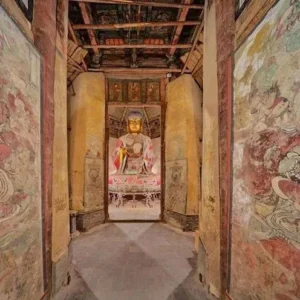
Interestingly, although the pagoda appears to have five levels from afar, it contains nine levels inside. Stepping into the first level of the pagoda, you can gaze up at the 11-meter-tall colored statue of Sakyamuni Buddha and witness the “nested tube structure” inside the pagoda. This structure consists of an outer cylinder formed by 24 external columns and an inner cylinder formed by 8 internal columns, connected by brackets and beams to create an incredibly robust architectural system. The inner layer houses Buddha statues, while the outer layer serves as a corridor, showcasing the unique style of Liao Dynasty architecture. This “nested tube structure” is commonly used in modern high-rise buildings. As the setting sun casts its glow on the pagoda, thousands of swallows return to nest within it, continuing to narrate the story of the pagoda through the ages. The Yingxian Wooden Pagoda has been patiently awaiting your visit.
Welcome to Hohhot, the capital of Inner Mongolia! Upon your arrival at the airport or train station in Hohhot (before 12:00), your driver and guide will meet you at the exit and escort you to Hohhot City. This afternoon, enjoy your time by visiting Inner Mongolia Museum (or Inner Mongolia Natural Museum) and Dazhao Temple. [Note: The Inner Mongolia Museum is currently closed due to moving to new buildings (updated on 23rd April, 2025), it may reopen soon. So we will arrange the trip to the Inner Mongolia Natural Museum instead].
You will visit Inner Mongolia Museum (Closed on Mondays) for Grassland Culture. Founded in 1957, it is a national first-class museum with more than 150,000 collections, characterized by its fossils of ancient organisms (dinosaur fossils) and cultural relics of ancient Silk Road & northern ethnic groups (Mongolian, Khitan, Xiongnu). Inner Mongolia Museum is an “encyclopedia” to unveil the ecological change, culture, and historical development of the alpine grassland, deserts, forests, etc. You can trace the historical process of Inner Mongolia from prehistoric times, the Bronze Age, the Warring States to the Wei and Jin, the Liao and Jin, the Mongolian-Yuan to the Ming and Qing Dynasties, as well as modern times.
Take your time to find the Treasures of Inner Mongolia Museum, such as Golden Crown of the Xiongnu King (1,934 grams eagle crown of Warring States Period; 475–221 BC; 战国鹰形金冠饰), Painted Wooden Coffin (Liao Dynasty; over 1,000-year-old; 彩绘棺具), Incense Burner from Jun Kiln (小宋自造均瑶香炉; Yuan Dynasty), Nurosaurus Fossile (the biggest dinosaur in the Cretaceous Period in Asia), Northern Wei: Deer Head Gold Step Shaking Crown (北魏鹿首金步摇冠), Liao Dynasty Golden Mask (辽代黄金面具)…
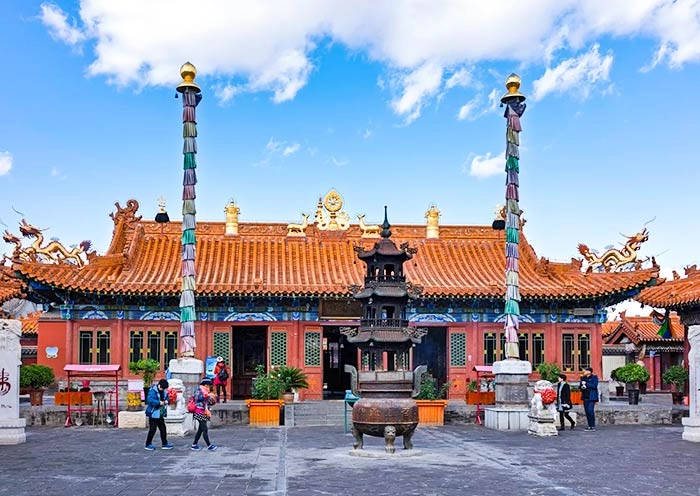
Then, pay a visit to Dazhao Temple (大召寺/大召无量寺). The Dazhao Temple, founded by Alatan Khan (阿拉坦汗/俺答汗; 1508-1582), the leader of the Mongolian Tumote tribe in the Ming Dynasty, was established in 1579. In the square in front of the Dazhao Temple, you will see the legendary builder of the temple, Alatan Khan (the reincarnations of Kublai Khan 忽必烈的转世). The temple is also known as the “Silver Buddha Temple” because it houses a statue of Sakyamuni made of 30,000 taels of pure silver (brought to light by the 3rd Dalai Lama, Sonam Gyatso, the reincarnations of Buton Rinchen Drub; 三世达赖喇嘛索南嘉措/八思巴的转世).
The Dazhao Temple is also known as the “Three Wonders” – the silver Buddha, dragon carvings, and mural, which are all historical relics from the Ming Dynasty. This temple is not only the earliest Tibetan Buddhist temple in Hohhot but also the largest Tibetan Buddhist holy site (Yellow Sect Gelug School) in Inner Mongolia. The temple is laid out in a north-south direction along the central axis, combining Han, Tibetan, and Mongolian architectural styles, attracting architecture enthusiasts and photographers for its Royal Architecture with Yellow glazed tiles (黄琉璃瓦), which can only be used in royal buildings.
In the Qing Dynasty, the Dazhao Temple was also the ancestral temple of Emperor Kangxi (康熙皇帝; 1654-1722). To this day, the tablets of Emperor Kangxi and his father, Shunzhi (顺治皇帝), are still enshrined in the temple. Inside the main hall, you can see the over 400-year-old silver-cast Buddha statue (made by Nepalese craftsmen), a golden coiled dragon about 10 meters high before the silver Buddha, as well as precious cultural relics such as the dragon and phoenix peacock umbrella, the pearl octagonal palace lantern, the wealth deity statue gifted by Kangxi Emperor to Dazhao, and precious Tangkas from the Ming and Qing dynasties.
Don’t miss the Sakyamuni Eight Pagodas (释迦八塔) at the Dazhao Temple, representing the eight virtues of the Buddha. Additionally, on the fifteenth day of the first lunar month and the fifteenth day of the sixth lunar month each year (Buddha Thangka Unveiling Ceremony (晒佛节/恰木舞蹈), the Dazhao Temple hangs giant Tangkas from the temple’s precious collection on the scripture drying poles. Try your luck to meet local evens in Dazhao Temple. At last, overnight in Hohhot.
Free Time Idea:
1.Visit More Temples in Hohhot: You can hike to more landmarks of Hohhot, such as Xilitu Zhao Temple (席力图召/小召寺; across the street from Dazhao Temple; Self-pay) & Five Pagodas Temple (五塔寺博物馆; about 1 km from Dazhao Temple; Closed on Mondays).
2.Explore Hohhot Food: You can take a stroll from Altan Khan Square (阿拉坦汗广场/大召广场; Dazhao Square for Altan Khan Statue) to Saishang Old Street (塞上老街) and Tongshun Alley (通顺大巷). These are popular streets (near Dazhao Temple) with Ming and Qing-style buildings for enjoying local food and shopping for local souvenirs.
Good to Know:
1.Inner Mongolia, China’s third-largest province after Xinjiang and Tibet, stretches over 2,400 km from east to west, making it the country’s widest region. Bordering Russia at Manzhouli and Mongolia at Erenhot, Inner Mongolia is inhabited by 24 million people. It’s an ideal Summer Destination to immerse yourself in the Mongolian culture in the Yuan Dynasty and uncover the captivating life and heritage of Genghis Khan.
2.Inner Mongolia sits at an average elevation of 1,000-1,500 meters, with strong UV rays. Pack sunglasses, a hat & sunscreen. Temperatures can fluctuate between morning & evening, so pack warm coats, long pants & sports shoes. Mongolian food tends to be salty, oily & mildly spiced. Beef, mutton & noodles are staple dishes to try.
3.If your trip to Inner Mongolia happens to coincide with the Naadam Festival (内蒙古那达慕; usually in July or August), you’ll have the exciting opportunity to witness the famous Three Games of Mongolia Men (男儿三艺): horse racing, wrestling, and archery. Each grassland/city has its own time of Naadam Fair (usually lasts for 3-7 days). Feel free to contact us if you want to join this major event in Inner Mongolia.
This morning, you will head to Xilamuren Grassland of Baotou for a Mongolian Nomadic Life Experience. It is about a 2-hour drive (83 km). You will watch the Large-scale Live-action Performance at Hongge’er Aobao Scenic Area. Then, you will stay overnight at a Mongolian Traditional Yurt with a Bonfire Party (Mongolian song & dance).
You will drive past Daqing Mountain (大青山), a part of the famous Yinshan Mountains (阴山山脉; the dividing line between agriculture and animal husbandry). It is a popular hiking destination for locals to escape city life. When you reach Xilamuren Grassland (希拉穆仁草原), you will feel the hospitality of local herdmen by enjoying a Mongolian Welcome Ceremony. As the closest grassland to Hohhot, Xilamuren Grassland is one of the most beautiful and vast grasslands in Inner Mongolia. As the first grassland in Inner Mongolia to be developed into a tourism attraction & a popular summer destination in China, it offers the most nomadic experience in the grassland.
Next, pay a visit to Hongge’er Aobao Scenic Area (红格尔敖包), the largest Aobao in Xilamuren Grassland. It has a history of over 400 years. Join the locals in performing the “kora,” a ritual walk around the Aobao, a sacred site where Mongolians worship, offer sacrifices, pray, and make wishes. Enjoy a panoramic view of the grassland from the Aobao before witnessing the Large-scale Live Equestrian Drama (草原大型实景马术剧), a spectacular outdoor show showcasing Mongolian culture, including the renowned Three Games of Mongolian (男儿三艺) – Horse Racing, Wrestling, and Archery.
Optional Grassland Activities: (Self-pay)
1.Horse Riding on Huitengxile Grassland if the weather permits.
2.Mongolian Family Visit for Nomadic Life Experience.
Note for Horseback Riding on Inner Mongolia Grasslands:
1.Guided Ride (Beginners): Most common and safest for first-timers. A herdsman leads your horse for a walk within a designated area.
2.Independent Ride (Experienced Riders): If you’re skilled, you might rent a horse from a local herder for free riding. However, this comes with no safety guidance and isn’t generally recommended.
3.The fee for Guided Ride and Independent Ride are different. Do double check the price and riding time before enjoy your horse riding.
Cap off the day by participating in a lively Bonfire Party featuring Mongolian singing and dancing after dinner. Experience the enchanting starlit sky over the grassland as you spend the night in a traditional Mongolian yurt.
Dinner Optional: (Self-pay)
Mongolian Traditional Zhama Banquet Dinner (诈马宴): Try roasted whole sheep (烤全羊) and other famous Mongolian dishes while dressed in traditional Mongolian attire, enjoying Mongolian ethnic song and dance, and experiencing Mongolian silver bowl and hada ceremonial toasting rituals…
This morning, you can choose to get up early (around 4:00 am) to wait for an amazing sunrise at Xilamuren Grassland (Optional). Then, head to Wudangzhao Monastery of Baotou (180 km, 3h), which was once the residence of the most powerful Lama in Inner Mongolia. At last, head to Yemingsha of Kubuqi Desert for overnight (185 km, 3h).
Wudangzhao Monastery (Wudangzhao Temple) is one of China’s Four Great Tibetan Buddhist Monasteries of the Gelugpa sect (Yellow Hat), alongside the Potala Palace in Tibet, Labrang Monastery in Gansu, and Kumbum Monastery in Qinghai. Known as the “Potala Palace on the Grassland,” it is the largest Tibetan Buddhist monastery in Inner Mongolia. Founded during the Kangxi reign of the Qing Dynasty (1662–1722) by the first Living Buddha, Lobsang Jigme Gyatso, it was modeled after Tibet’s Tashilhunpo Monastery and expanded over centuries into its current scale.
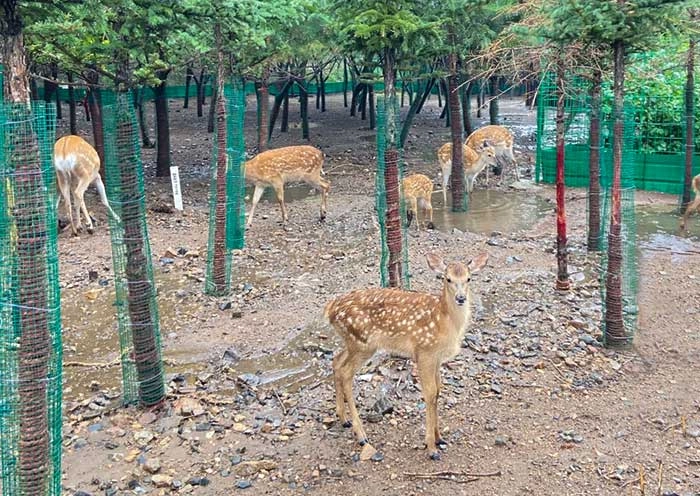
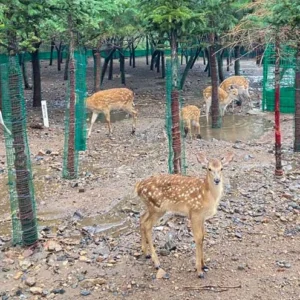
You will see the monastery’s classic Tibetan Buddhist architecture, with no central axis. Its grand halls are irregularly scattered across a 1.5-kilometer-long south-facing slope in a valley. The complex includes six main prayer halls (originally eight), three Living Buddha residences, and a reliquary hall housing stupas of past lamas. Spanning over 300 acres, it contains more than 2,500 rooms. You will marvel at the intricate murals, thangka paintings, and Buddha statues inside the halls, as well as prayer wheels, white stupas, and mani stone mounds along the paths. A deer park allows close encounters with friendly deer.
For panoramic views of Wudangzhao Monastery, hike the southern hill (if time permits). During the annual temple fair (25th day of the 7th lunar month to 1st day of the 8th lunar month), monks perform rituals such as Thangka Unveiling, scripture chanting, and sacred Cham dances. Welcome to this Buddhist sanctuary in the heart of the grasslands – a spiritual journey awaits.
At last, head to Kubuqi’s Yemingsha. (You can choose to overnight at a Camp or a hotel in the desert. Let us know in advance). As dusk falls, capture a breathtaking desert sunset before indulging in a delicious barbecue dinner. Finally, drift to sleep under a canopy of brilliant stars in the tranquil desert night.
Today, you can get up early (around 4:00 am) to wait for an amazing sunrise at Kubuqi Desert (Optional). Enjoy all kinds of desert activities in Kubuqi’s Yemingsha before heading to visit Mausoleum of Genghis Khan (220 km 3.5h) in the afternoon.
Kubuqi Desert (库布其沙漠) is the seventh-largest desert in China. It was once renowned as the “Sea of Death”. Now, with tree planting projects & the development of solar energy over the generations, the vegetation coverage has been significantly improved. It is promising to witness the Sea of Death become the Sea of Green. Now, the Kubuqi Desert is one of the top desert destinations in China.
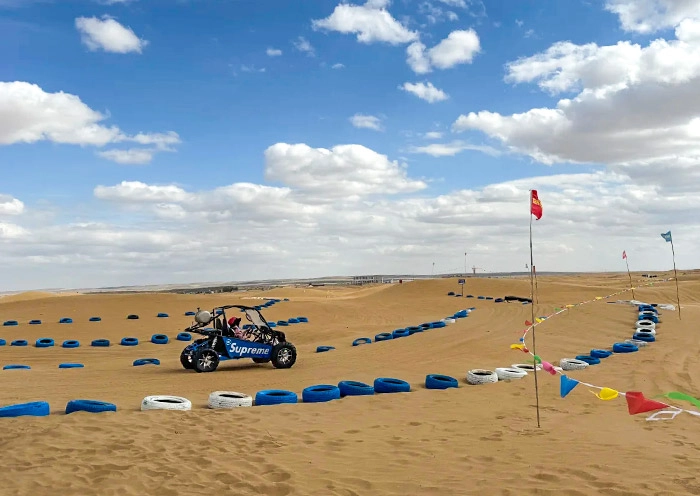
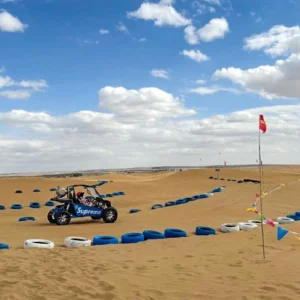
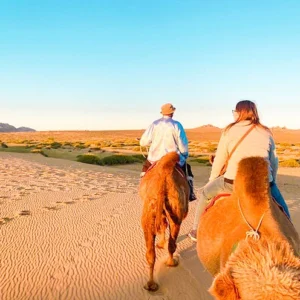
Yemingsha (夜鸣沙) is located at the Hinderland of Kubuqi Desert. Experience the magic of Kubuqi’s Yemingsha Desert with an unforgettable adventure. Enjoy thrilling desert activities like camel rides, sand sliding, and ATV excursions. (Note: Do double check with us for the ticket/fees with desert activities in Yemingsha).
Desert Travel Tips:
1.Sunscreen, sand protection, and hydration: It is advisable to bring sunscreen, sunglasses, hats, and protective clothing. High-top shoes are essential for sand protection. Protect your phone and camera from sand. The desert is dry, so carry more than 2 liters of water per person.
2.Desert Dress code: Wear light, long-sleeved clothing for UV protection in summer and down jackets in winter (there is a significant temperature difference between day and night).
3.Safety and environmental protection tips: Do not venture alone into uninhabited areas, follow project safety regulations, and be cautious on steep dunes. Do not litter; protect the desert ecosystem.
4.Photography tips: The best lighting for capturing dunes is one hour after sunrise and one hour before sunset, when the light and shadows create the most striking contrasts.
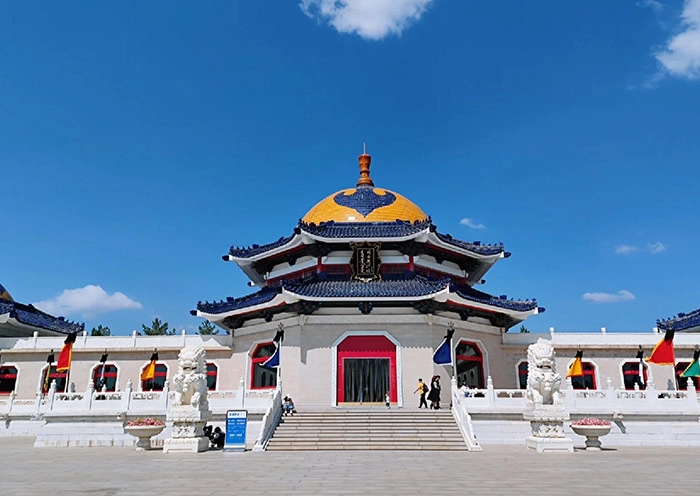
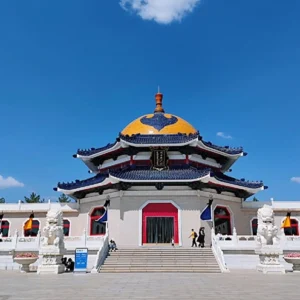
After the adventure in Yemingsha, time to head to Mausoleum of Genghis Khan, a sacred shrine of the founder of the Mongol Empire – Genghis Khan (1162- 1227).
As Mongolia’s Greatest Leader, Genghis Khan consolidated tribes into a unified Mongolia, extended his empire across Central Asia and other countries as far west as Eastern Europe (from the Pacific Ocean to the Mediterranean Sea). Genghis Khan, the most famous warrior in the history of the world, built the biggest empire in history up to that time. He left a vast empire for his descendants, laying the foundation for the Yuan Dynasty (1279-1368) and the reunification of China.
Today, Genghis Khan is still worshiped by those who are interested in Mongolian history, culture, and traditions. Due to the Mongolian custom of “secret burial,” the exact location of Genghis Khan’s actual tomb remains a mystery. The mausoleum currently houses the camel hair that absorbed Genghis Khan’s last breath (灵魂的驼毛), symbolizing his soul, which has been cherished for centuries.
Since 1227 (the death of Genghis Khan), the Da’erhute tribe (达尔扈特人), the ancestors of whom were the guard troops of Genghis Khan, has taken good care of this mausoleum for more than 700 years. If you happen to visit here during its Spring Ceremony (成吉思汗春祭大典), you will witness Mongolian shamanistic rituals and ceremonies that are organized and held by the Da’erhute tribe, offering a deep spiritual connection to the legacy of Genghis Khan. You will see that this mausoleum is a sacred place for Mongolian people to honor and celebrate their national hero.
The mausoleum complex, built in a traditional Mongolian architectural style, is composed of two parts: the Tomb Complex and Donglian Scenic Area. It covers an area of around 13.6 acres with more than 2,500 halls, sutras, and monks’ houses. It houses a vast collection of relics and artworks about the life of the legendary Mongolian Emperor and the history of the Mongol Empire. Don’t miss the chance to see the sabers, swords, arrows, bows, and other weapons that were used by Genghis Khan.
Highlights of the Mausoleum of Genghis Khan:
1.Spirit Hall: Houses a golden statue of Genghis Khan and symbolic relics.
2.Main Hall: Features murals and exhibits on the Mongol Empire’s history.
3.Eternal Flame: A sacred flame symbolizing the undying spirit of Genghis Khan.
4.Cultural Performances (Optional; Self-pay): Experience traditional Mongolian dances, music, and ceremonies.
5.Mongolian Rituals: Participate in or observe spiritual rituals performed by Dalhut Mongols (if your visit time meets their ceremony dates).
Note:
Spring Ceremony/Ritual at the Mausoleum of Genghis Khan成吉思汗春祭大典:
Called Tsagaansurek, or “milk sacrifice” in Mongolian, the spring ritual uses the milk of white horses as a sacrifice to peace and prosperity. Every year, ethnic Mongolians hold four rituals, one in each season, to Genghis Khan. The spring ritual is the grandest at the shrine and lasts for eight days. Genghis Khan memorial rituals were inscribed as China’s intangible cultural heritage in 2006. (Contact us to double check the dates of the Ceremony/Ritual.)
After that, overnight in Ordos. Located on the Ordos Plateau, within the bend of the Yellow River, Ordos is a city of happiness that warms the world. Prairies, deserts, or valleys, all their multiple landscapes are poetic. Ordos is one of the richest city in China (2024 GDP even surpass Beijing/Shanghai/Guangzhou), thanks to stores of coal, gas, and rare earth metals. Its cashmere output accounts for 13% of the world’s total, and the unique Albas white goat cashmere is of prime quality in the world; that is why Ordos is called Warm City.
Free Time Ideas:
1.Kangbashi District: The Richest ‘Ghost Town’ in China
IN 2010, Time Magazine sardonically reported that Kangbashi, in Ordos, Inner Mongolia, is ‘a new Chinese city that, apart from people, has everything’. Now, Kangbashi has become a top tourist area with lots of museums, squares (including Genghis Khan Square), theme parks, a lake, and modern facilities (no-driver bus/taxi).
2.Ordos Musical Fountain of Kangbashi (Asia’s Tallest Fountain)
This Fountain is located in the Kangbashi District at the Wulanmulun Riverside Square (adjacent to the Wulanmulun Lake). It combines sound, light, water, and color elements into one. The main fountain can reach a height of 230 meters, earning it the title of “Asia’s Tallest Fountain.” The fountain performances are held every evening from 8:00 PM to 9:00 PM (may be temporarily suspended in adverse weather conditions).
Today you can depart from Ordos by train or flights. Or you can head back to Hohhot (280 km, 3.5h) for Beijing, then depart Beijing.
At last, it is time to end your 11 Days Beijing Datong Hohhot Baotou Ordos Tour.
Thank you for choosing HelloChinaTrip for your China Tour, and we are always here working for you and hope to see you again for your next trip to Asia. Safe journey!
Extension Ideas:
1.You can extend your Hohhot Tour to other cities in Inner Mongolia, such as Baotou, Ordos, Ejin Banner, Badain Jaran Desert, and Hulunbuir. Please feel free to let us know, we can help you with the arrangements.
2.You can extend your Inner Mongolia Tour to other cities in China, such as Beijing, Shanxi (Datong/Pingyao/Wutaishan/Taiyuan), Gansu (Zhangye/Lanzhou/Dunhuang/Jiayuguan), Ningxia, Xian, Luoyang, Chengdu (Sichuan), and Shanghai, etc. We can customize your itinerary.
What’s Included
- Experienced drivers & air-conditioned vehicles
- Professional licensed English-speaking local guide
- Hotel accommodation with breakfasts
- Accident insurance
- Domestic flights (economy class) or high-speed trains (second class) listed in the itinerary
- Admission tickets, activities, meals listed in the itinerary
- Our service from tour planning, handling, operational and finishing your trip
What’s Excluded
- International airfares
- Entry visa fees
- Personal expenses
- Single room supplement
- Recommended optional activities
- Arrival/departure flights or train on the first and last day
- Tips or gratuities for guides and drivers
Important Trip Notes for Booking a Inner Mongolia Tour
How do I book a Inner Mongolia group tour?
It is very simple to book a private China tour. Select the tour you are interested, and click “Make an Enquiry for Free”. Tell us your demands and likes while submitting the form. During this process, you don’t need to pay immediately. After sending us your requirements, one of our professional travel experts will get back to you within 0.5 to 24 hours. When all the information have confirmed, then you make the deposit. Please feel free to contact the travel expert directly if you have any questions prior to booking.
Extend Your Inner Mongolia Tour
The above itinerary is the sample one that most travelers would go like that. The tour can be customized based on your likes, interests and budget. At the same time, if you want to extend this tour, just tell us your favored destinations and things to do. Our professional travel experts will redesign the trip totally for you and your group at the best price. Tell us your ideas now >>
Transportation
In a private tour, it means you will transfer to the tourist attractions in one city by private vehicle. The private car we selected is spacious, comfortable and air-conditioned. And the driver we use are very experienced. As for traveling between two destinations, we use domestic flights (economy seat) or high speed trains (second class seat, usually less than 6 hours). The local guides and drivers will pick you up at the airport/train stations, and escort you to the hotel.
Meals
Similar Experiences
Related products
-
7 Days Best Mongolia Tour: Popular Route in One Week
Inner Mongolia Tours$1,400.00 – $7,000.00Rated 4.71 out of 5 -
5 Days Central Mongolia Tour: National Parks, Gobi Desert, History & Culture
Inner Mongolia Tours$1,000.00 – $5,000.00Rated 4.86 out of 5 -
5 Days Inner Mongolia Tour from Beijing – Escape to Huitengxile Grassland
Family Travel in China$1,000.00 – $5,000.00Rated 4.83 out of 5 -
5 Days Hulunbuir Grassland Tour: Inner Mongolia Summer Vacation
Inner Mongolia Tours$1,000.00 – $5,000.00Rated 5.00 out of 5
Declan Ward –
This private 11-day tour was an exclusive expedition into China’s heartland! Customized to feature our favorite activities—hiking the Great Wall, exploring Yungang Grottoes, and riding camels in the desert—the itinerary was unforgettable. The private transport and expert guide ensured a smooth, personalized journey. Perfect for travelers seeking adventure and exclusivity!
Elena Carter –
Our 11-day odyssey was a bespoke masterpiece! Tailored to include Beijing’s Forbidden City, Datong’s ancient grottoes, and Hohhot’s nomadic traditions, every detail was perfect. The private guide’s knowledge enriched each site, while the seamless logistics made this a stress-free, immersive experience. Highly recommend for customized travel!
Diego Phillips –
Our 11-day tour was a bespoke treasure! Tailored to explore Beijing’s imperial heritage, Datong’s ancient temples, and Hohhot’s grasslands, every moment felt curated. The private guide’s insights added depth, while the flexible schedule let us linger at favorites like the Hanging Temple. Highly recommend for personalized cultural immersion!
Jasper Reed –
Our 11-day journey through China’s ancient capitals was a masterpiece of personalization! The private guide tailored every detail, from the Forbidden City’s grandeur to Datong’s Yungang Grottoes. Flexible scheduling allowed us to savor each site, while seamless transport between cities made this a stress-free, bespoke adventure. Perfect for travelers seeking depth and exclusivity!
Cameron Mitchell –
This private 11-day tour was a luxury sojourn through time! Customized to highlight Beijing’s dynastic legacy, Datong’s UNESCO sites, and Hohhot’s grasslands, the itinerary was flawless. The private vehicle and expert guide ensured comfort and depth, while the flexible schedule let us explore at our own pace. A trip of a lifetime!
Valentina Kelly –
Our 11-day adventure was a perfectly personalized blend of history and wilderness! The private guide tailored the trip to include Beijing’s Great Wall, Datong’s wooden pagoda, and a Mongolian yurt stay. Flexible pacing let us savor each experience, from desert sunrises to bonfire nights. Ideal for travelers craving authenticity and exclusivity!
Colin Kelly –
This private 11-day tour was an exclusive escape into China’s past! Customized to include our must-see sites—the Forbidden City, Yungang Grottoes, and Xilamuren Grassland—the itinerary balanced history and nature seamlessly. The private transport and expert guide ensured a hassle-free, immersive journey. Perfect for travelers seeking uniqueness!
Leah Sanders –
This private 11-day tour redefined luxury! Customized to include our interests—architecture in Datong, nomadic culture in Hohhot, and the Mutianyu Great Wall—the itinerary was flawless. The knowledgeable guide and comfortable private transfers ensured a smooth, immersive experience. A must-do for discerning travelers craving exclusivity!