1 Day Longmen Grottoes Tour with White Horse Temple & Ancient Luoyang
Must-see & Must-do:
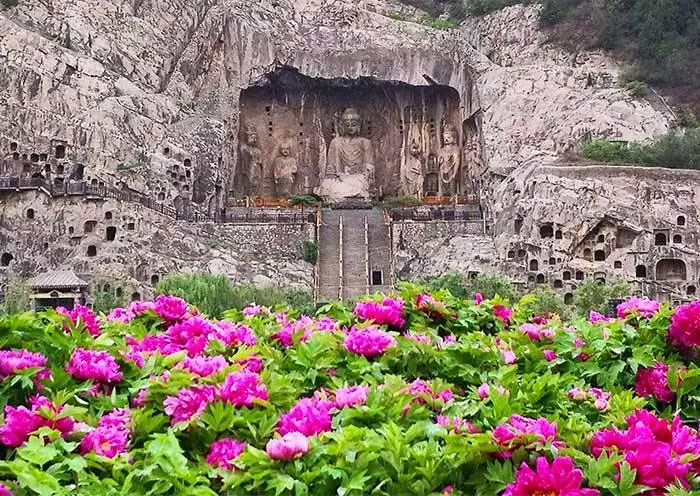
Highlight 1: Discover the largest of China’s four major grottoes, stretching along the scenic Yi River in Luoyang. Divided into the Western Hill and Eastern Hill Grottoes, it boasts thousands of intricate Buddhist carvings and statues.

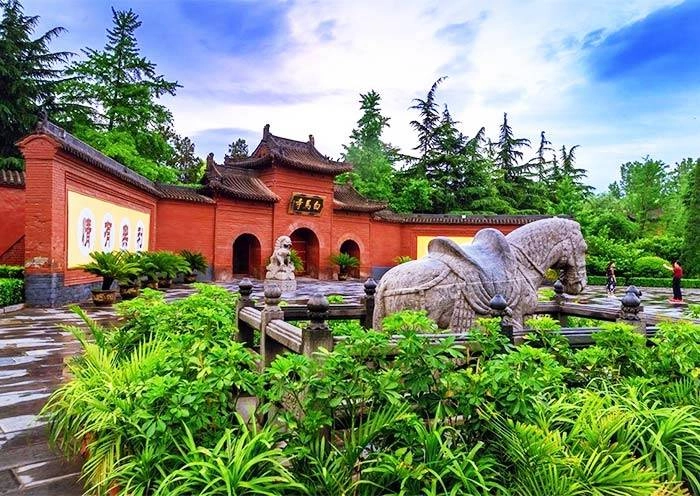
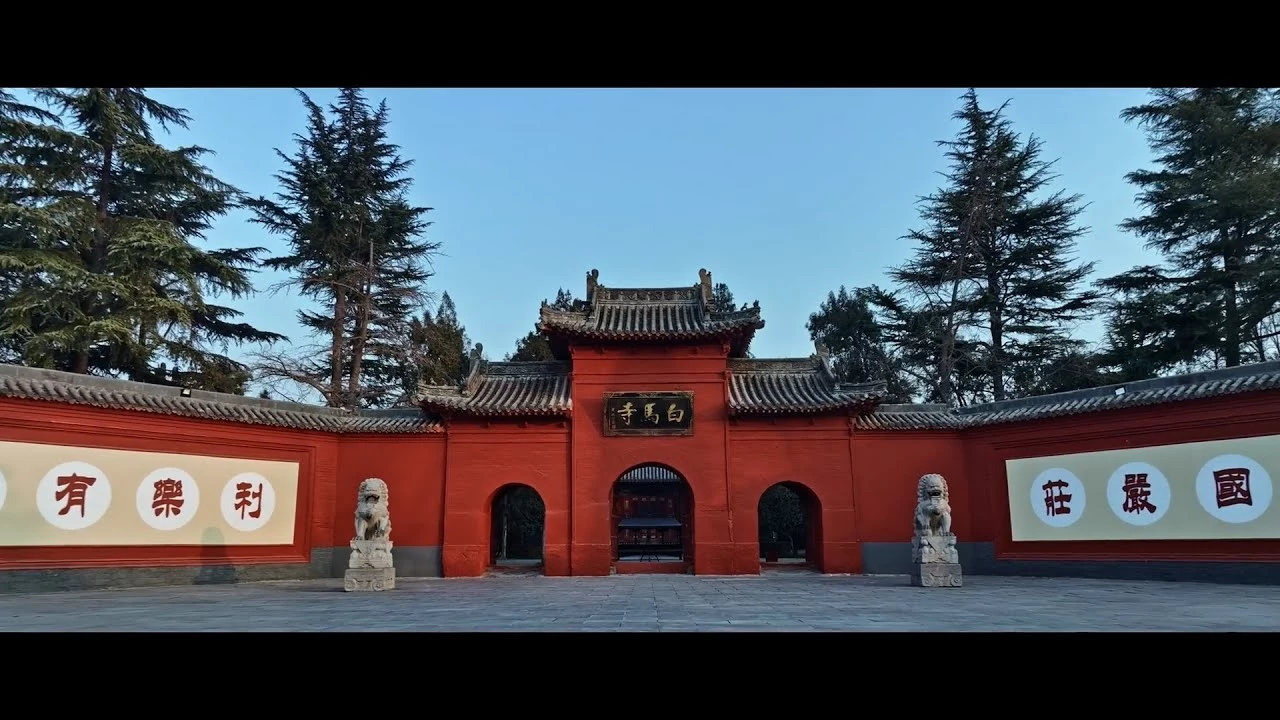
Highlight 2: Transfer to White Horse Temple, China’s first Buddhist temple, built during the Eastern Han Dynasty. Known as the cradle of Chinese Buddhism, it features ancient architecture, sacred halls, and three exotic architectural styles.
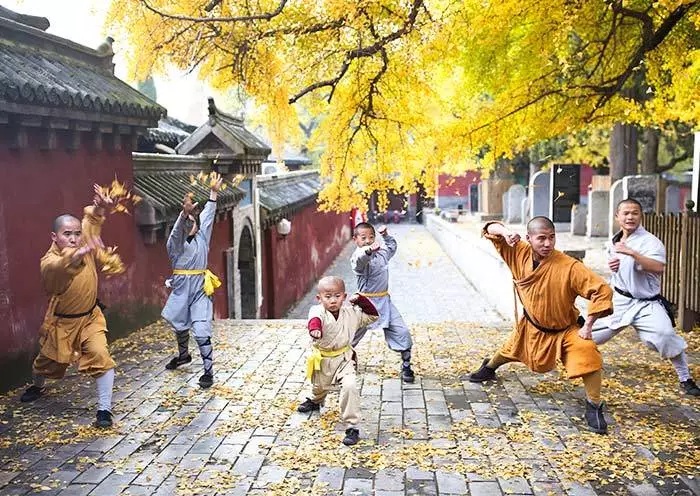
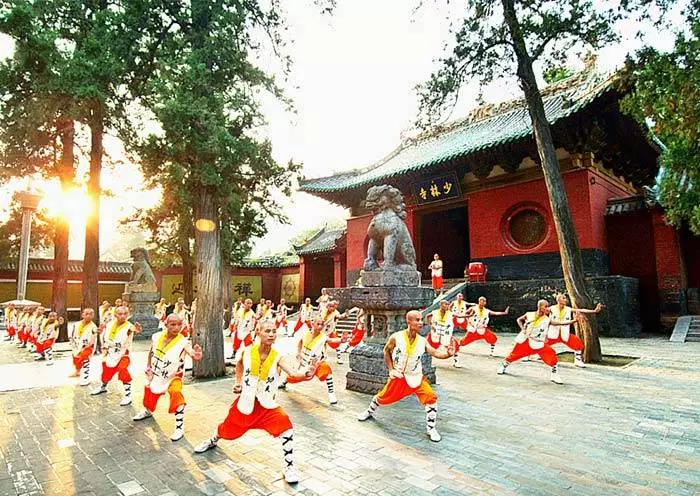
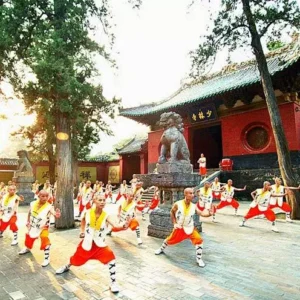
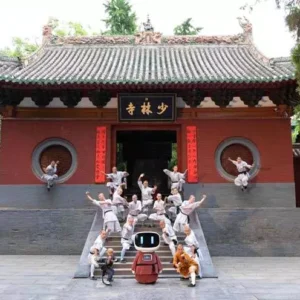
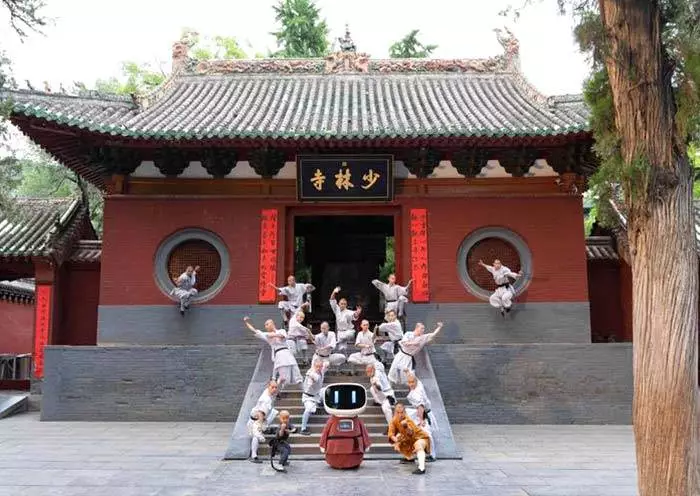
Highlight 3: Visit the legendary Shaolin Temple, the birthplace of Kung Fu and Chan Buddhism. Explore its ancient halls, witness martial arts traditions, and immerse yourself in its spiritual and cultural legacy.
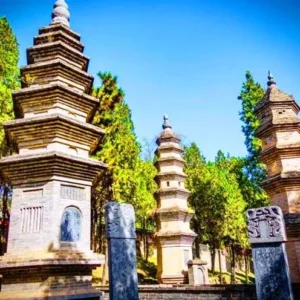
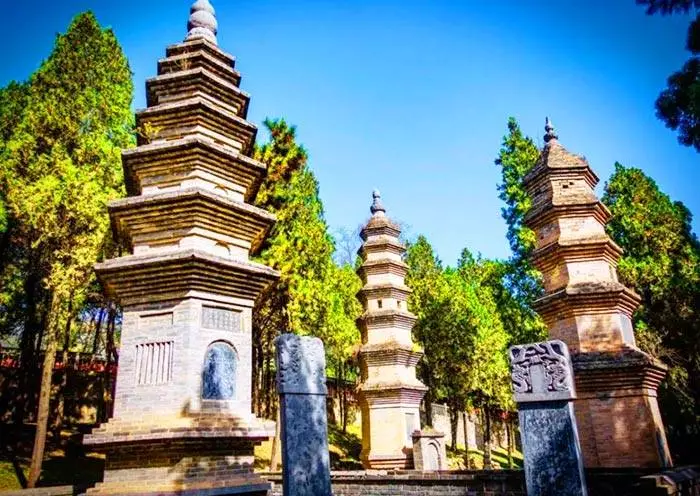
Highlight 4: Stroll through the Pagoda Forest, a unique cemetery of over 250 stone pagodas built to honor Shaolin monks. Each pagoda reflects the monk’s rank and achievements, offering a glimpse into Buddhist history and architecture.
Itinerary Quick Look:
This morning, your local guide will meet you at the appointed location (hotel, railway station, or airport; tell us in advance).
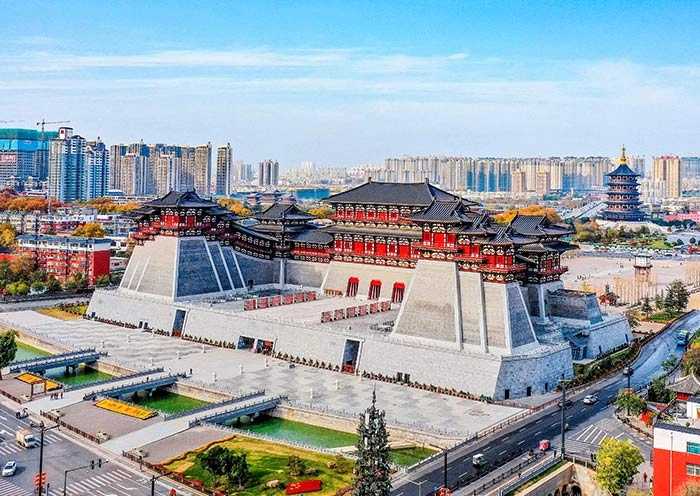
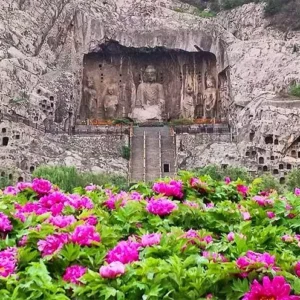
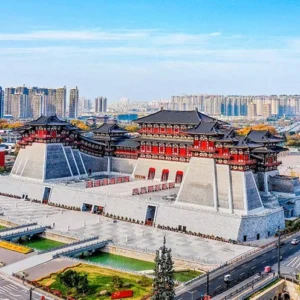
Luoyang (洛阳), located in the western part of Henan Province, east of Xi’an, is one of China’s Four Ancient Capitals. It served as the Capital for 13 Dynasties and marked the eastern starting point of the Ancient Silk Road. During the Tang Dynasty (618–907 AD), Luoyang flourished as the Eastern Capital, rivaling the Western Capital, Chang’an (modern-day Xi’an). In 684, under the reign of Wu Zetian (武则天), China’s first female emperor, Luoyang became the official capital and earned the title “Divine Capital”. The highlight of Luoyang is the Longmen Grottoes, heavily influenced by Wu Zetian’s era. Luoyang is also known as the “City of Peonies”, and if you visit in spring, you can admire its beautiful peony gardens and parks.
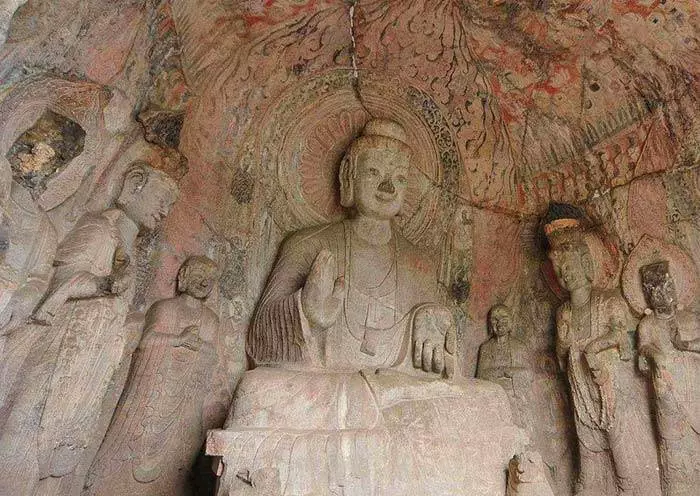
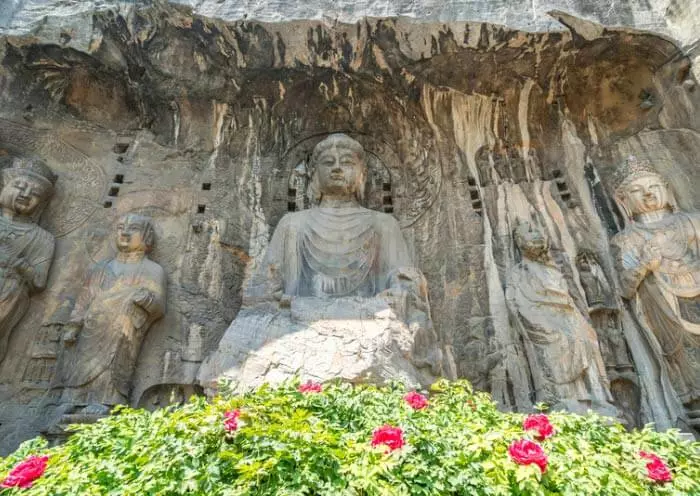
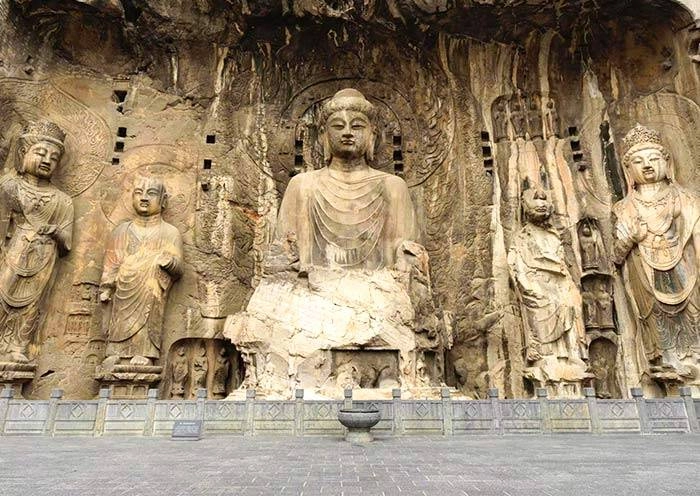
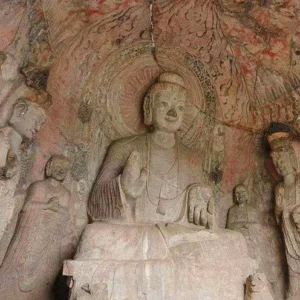
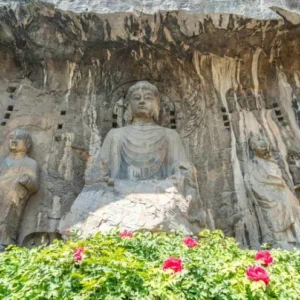
Then, our experienced guide will lead you to the Longmen Grottoes (龙门石窟), located south of Luoyang city. Recognized as the most outstanding of China’s Four Great Grottoes, Longmen Grottoes house the largest and most remarkable collection of Chinese art from the late Northern Wei and Tang Dynasties (316–907). This UNESCO World Heritage Site, inscribed in 2000, consists of over 2,300 caves and niches carved into steep limestone cliffs spanning a 1 km stretch. Inside, you will discover nearly 110,000 Buddhist stone statues, over 60 stupas, and 2,800 inscriptions carved on steles. These masterpieces, entirely dedicated to Buddhism, represent the pinnacle of Chinese stone carving.
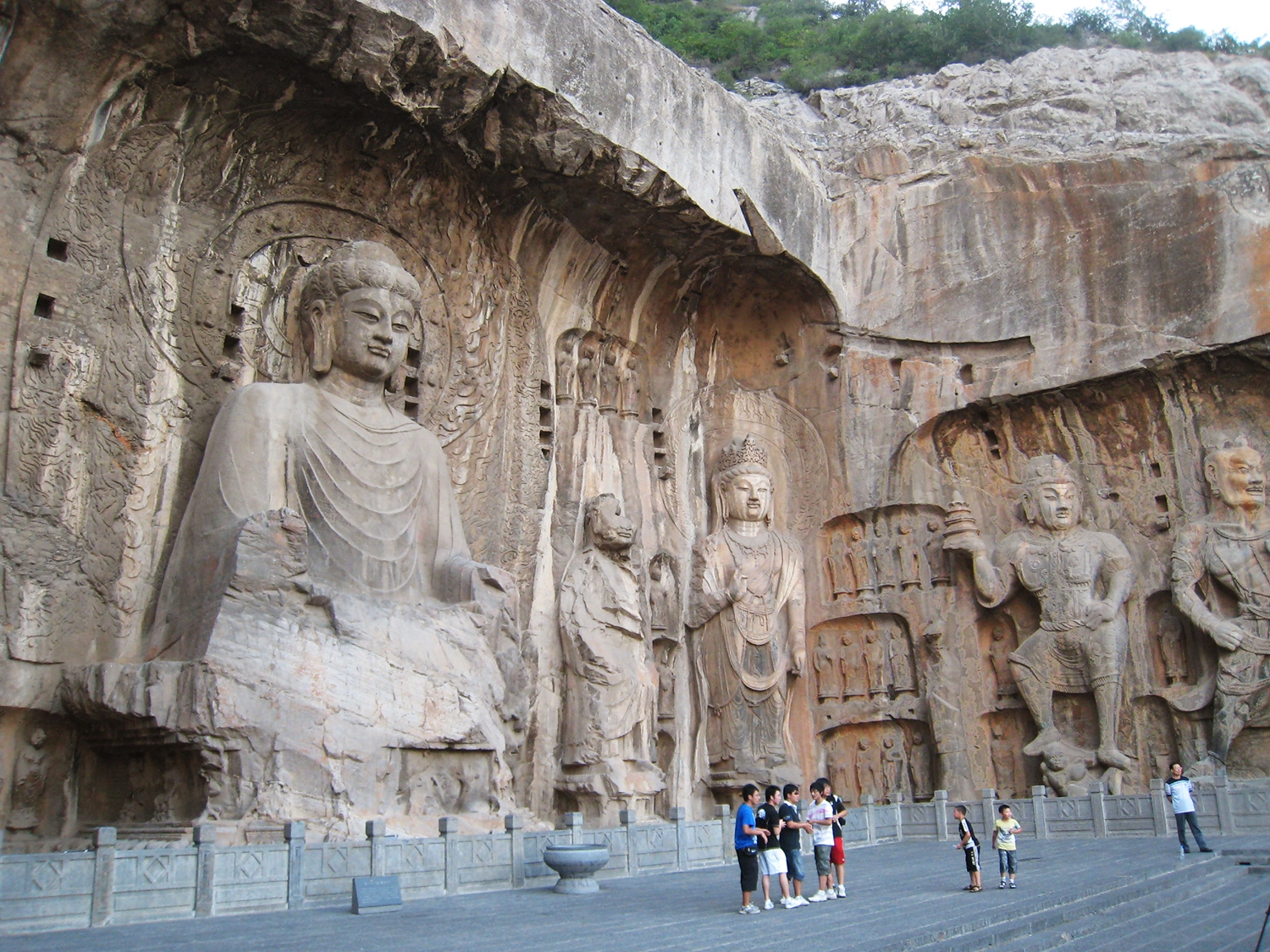
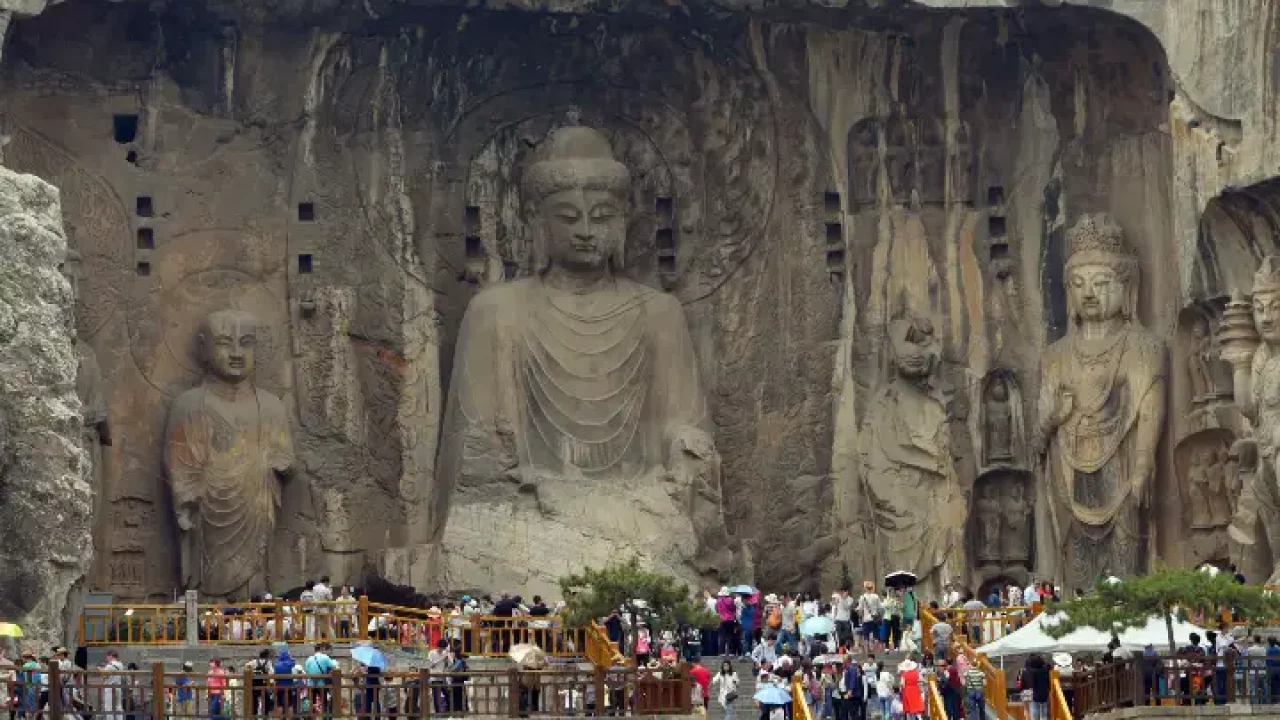
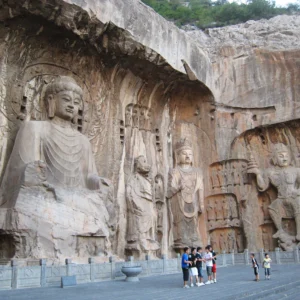
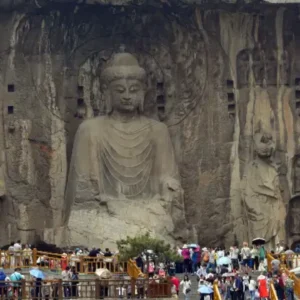
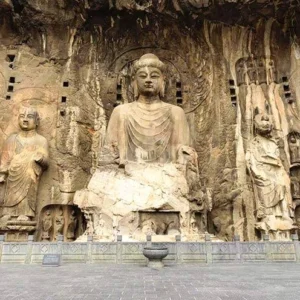
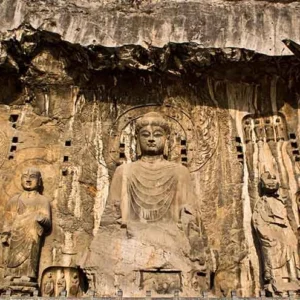
Longmen Grottoes is divided into the Western Hill Grottoes and the Eastern Hill Grottoes, with the Western Hill being the highlight. The most iconic grotto is the Fengxian Temple (奉先寺), dominated by the colossal Vairocana Buddha at its center (17.14 meters tall). This statue, believed to represent Empress Wu Zetian, exudes elegance with its serene smile, earning it the title of the “Eastern Mona Lisa”. Flanking the Buddha are four pairs of figures: disciples, Bodhisattvas, heavenly kings, and warriors. You will also explore Wanfo Cave (万佛洞), named for its 15,000 small Buddha statues intricately carved into its walls, with the smallest being only 2 cm tall. This cave, completed in 680 AD during the Tang Dynasty, is the most complete in terms of statue combinations. Don’t miss the Three Bingyang Caves (宾阳三洞), excavated during the Northern Wei Dynasty and commissioned by Emperor Xiaowen to honor his father. Another highlight is Yaofangdong Cave (药方洞), which features 140 inscriptions detailing treatments for various diseases. Finally, visit Guyang Cave (古阳洞) for an awe-inspiring experience.
Recommended Visiting Route for Longmen Grottoes:
North Gate → Yu Wang Pool → Qianxi Temple → Three Binyang Caves → Cliffside Three Buddhas Niche → Wanfo Cave → Lianhua Cave → Fengxian Temple → Guyang Cave → Yaofang Cave → South Gate. Exploring the highlights of the Western Hill Grottoes takes 2–3 hours. If time permits, visit the Eastern Grottoes across the Yi River.
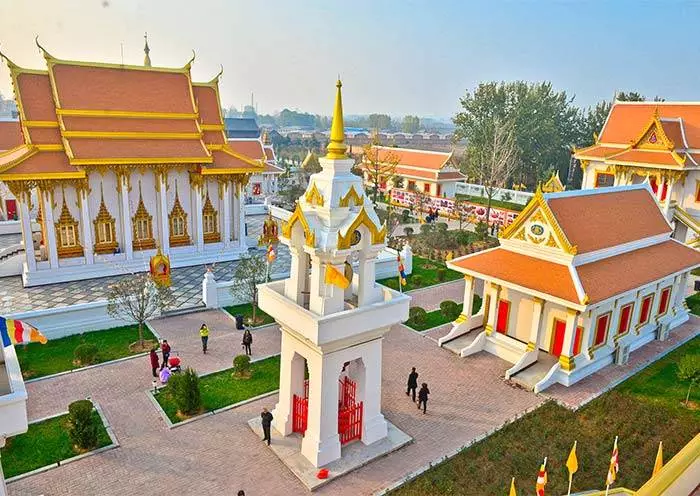
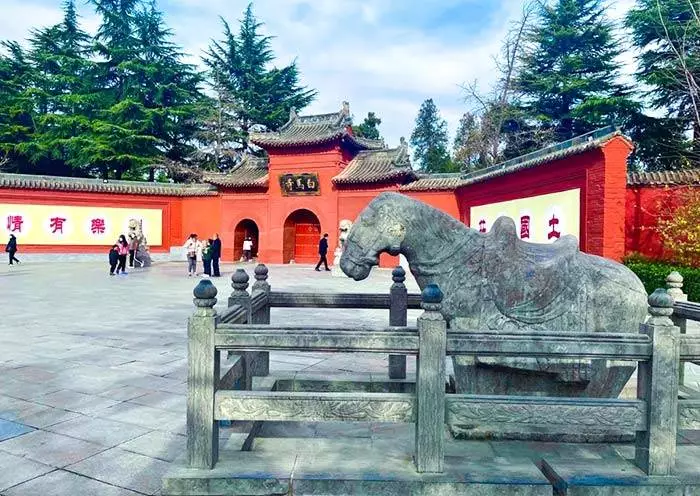
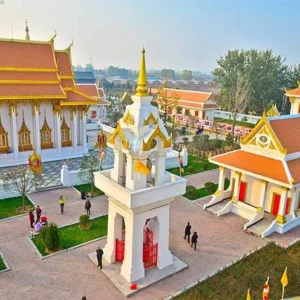
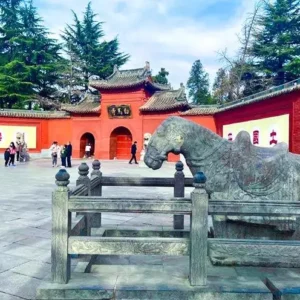
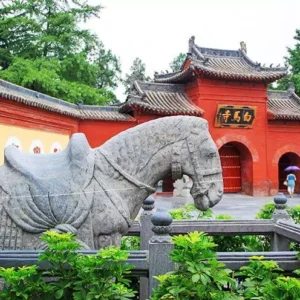
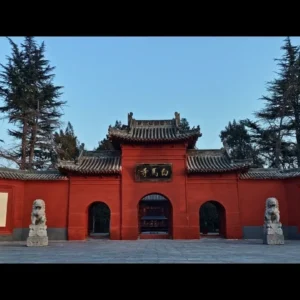
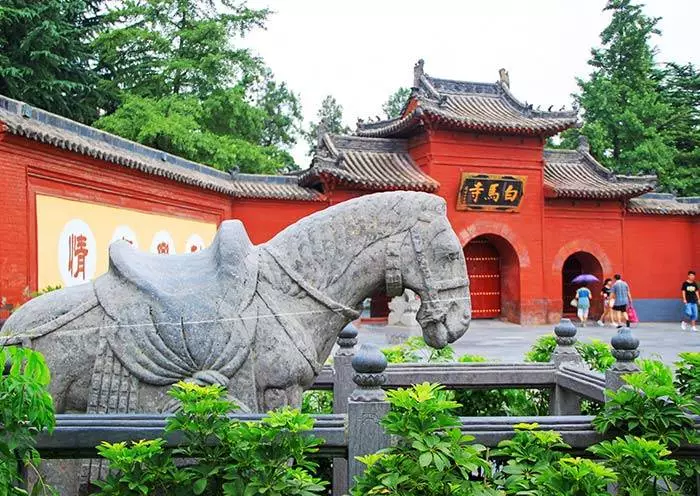
Later, you will be transferred to White Horse Temple (27 km, a 30–40-minute drive), located northeast of Luoyang city. Founded in 68 CE during the Eastern Han Dynasty, White Horse Temple holds the distinction of being the first Buddhist temple established in China, earning it titles like the “Cradle of Chinese Buddhism” and the “Ancestral Temple.” According to legend, two white horses carrying Buddhist scriptures arrived at this site, inspiring its name. The temple played a pivotal role in the spread of Buddhism throughout China. What makes this temple complex unique is its solemn atmosphere and its incorporation of architectural styles from China, India, Myanmar, and Thailand – ****a distinction unmatched worldwide. You will follow the temple’s central axis to explore its many halls, including the Hall of Heavenly Kings, Hall of the Great Buddha, Hall of Mahavira, Clear Cool Terrace, and Qiyun Pagoda, as well as the three temples from Thailand, Myanmar, and India.
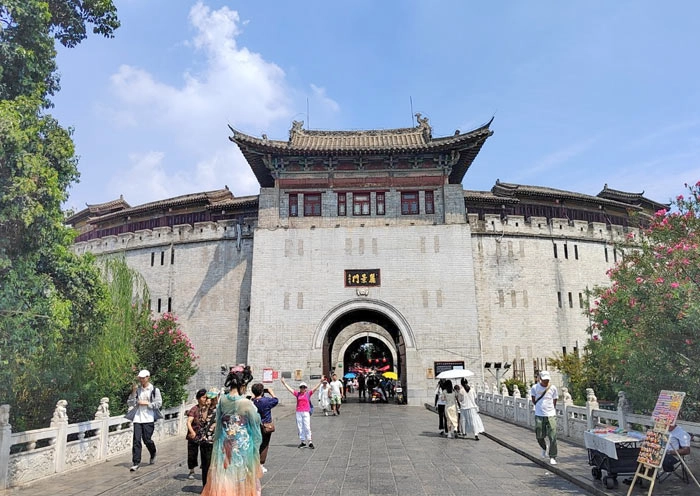
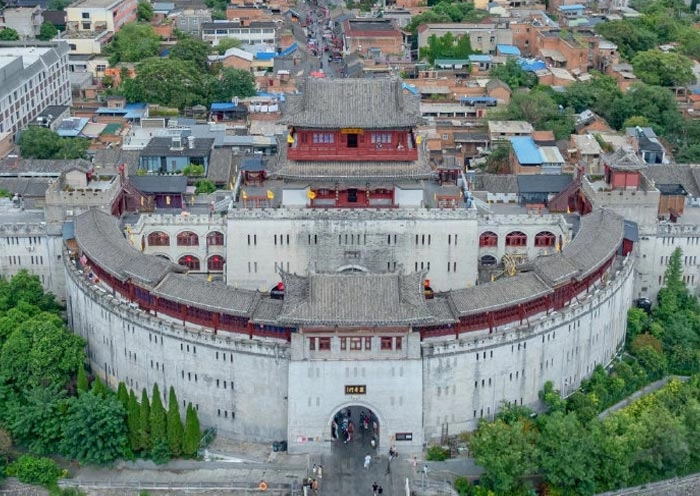
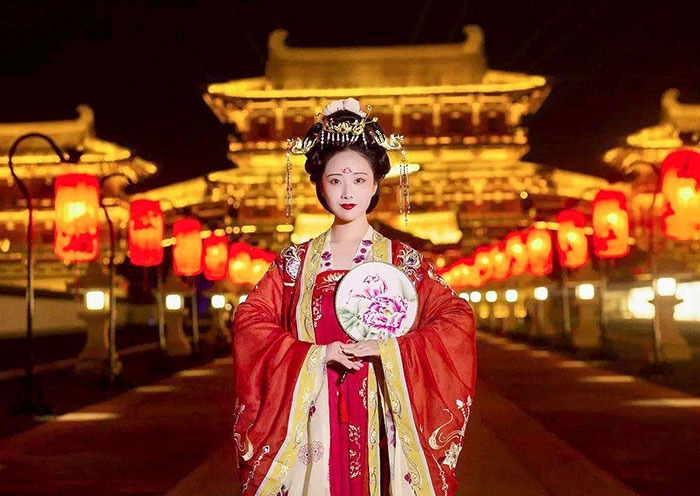
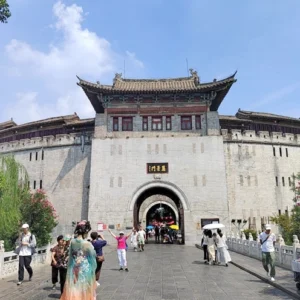
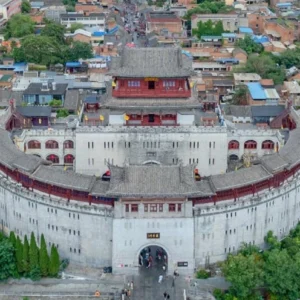
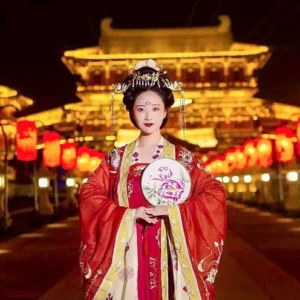
Afterward, drive back to downtown Luoyang to explore Luoyang Old Town, centered around the iconic Lijing Gate (丽景门). Known for its rich history, the area is famously described by the phrase “Luoyang’s peonies are unparalleled, and Lijing Gate is unmatched in the world”. The Old Town is a lively hub, filled with historic residential buildings, bustling food streets, and charming shops. It offers a vibrant glimpse into the grandeur of ancient Luoyang. Stroll through the streets to savor local snacks or shop for unique souvenirs at your leisure. Adding to the ambiance, you’ll encounter young people dressed in traditional costumes, making it feel as though you’ve stepped back in time to ancient China.
After the tour, your 1-day Luoyang Tour concludes. Your guide and driver will escort you to the train station in Luoyang for your onward high-speed train to your next destination.
Thank you for choosing HelloChinaTrip for your Luoyang tour. We are always dedicated to serving you and look forward to welcoming you again for your future trips to China/Asia.
What’s Included
- Guide Service: Professional English-speaking tour guide.
- Attraction Tickets: All entrance fees to the sites listed in the itinerary.
- Transportation: Airport transfers on arrival and departure. Private Vehicle for city sightseeing tours. Shinkansen (bullet train) tickets.
- Accommodation: Hotels are listed in the itinerary.
- Meals: Daily breakfast at the hotel.
- Service fee: planning, handling, operational and communication charges
What’s Excluded
- Visa Fees: Cost of tourist visa if required, depending on the traveler’s nationality.
- Optional Tours and Activities: The cost of all optional activities in the itinerary is not included.
- Single Supplement: Additional charge for travelers who wish to have a private room.
- Tips and Gratuities: Tips for tour guides and drivers, which are optional and at the traveler’s discretion.
- Overtime Service Fees:Additional charges may apply for services requested beyond the scheduled hours.
- Personal Expenses: Shopping, additional meals, snacks, and beverages outside of those specified in the itinerary.
- Tax: Japanese municipal lodging tax and onsen (hot spring) tax, as well as consumption tax on purchases. These taxes are typically not included in the tour package price and are payable on-site as required.
Important Trip Notes for Booking a private China Tour
How do I book a private China tour?
It is very simple to book a private China tour. Select the tour you are interested, and click “Make an Enquiry for Free”. Tell us your demands and likes while submitting the form. During this process, you don’t need to pay immediately. After sending us your requirements, one of our professional travel experts will get back to you within 0.5 to 24 hours. When all the information have confirmed, then you make the deposit. Please feel free to contact the travel expert directly if you have any questions prior to booking.
Extend Your private China Tour
The above itinerary is the sample one that most travelers would go like that. The tour can be customized based on your likes, interests and budget. At the same time, if you want to extend this tour, just tell us your favored destinations and things to do. Our professional travel experts will redesign the trip totally for you and your group at the best price. Tell us your ideas now >>
Transportation
In a private tour, it means you will transfer to the tourist attractions in one city by private vehicle. The private car we selected is spacious, comfortable and air-conditioned. And the driver we use are very experienced. As for traveling between two destinations, we use domestic flights (economy seat) or high speed trains (second class seat, usually less than 6 hours). The local guides and drivers will pick you up at the airport/train stations, and escort you to the hotel.
Meals
Similar Experiences
Related products
-
4 Days Henan Discovery Tour: Kaifeng, Luoyang & Shaolin Temple
Luoyang Tours$800.00 – $4,000.00Rated 4.50 out of 5 -
3 Days Henan Highlights Tour: Luoyang, Shaolin Temple, Kaifeng
Luoyang Tours$600.00 – $3,000.00Rated 4.67 out of 5 -
2 Days Luoyang Essential Tour: Ancient Capital, Grottoes & Shaolin Kung Fu
Luoyang Tours$400.00 – $2,000.00Rated 4.75 out of 5 -
1 Day Shaolin Temple Tour & Kung Fu Experience from Luoyang
Luoyang Day Tour$200.00 – $1,000.00Rated 5.00 out of 5
Asher Gonzalez –
This was the perfect blend of culture, history, and personal attention. From admiring the intricate carvings at Longmen Grottoes to exploring the serene White Horse Temple, everything was arranged according to our pace. It truly felt like a tour designed just for us.
Nova Carter –
I really appreciated how flexible this tour was. We skipped the crowded spots and visited hidden corners of the grottoes that most tourists miss. The private guide shared so many fascinating stories, and having a car just for us made the journey super comfortable.
Caleb Mitchell –
This private day tour was the highlight of my China trip. Our guide tailored the schedule so we could enjoy the Dragon Gate Grottoes in the quiet morning light, then spend extra time learning about Buddhist history at White Horse Temple. The walk through ancient Luoyang in the evening felt magical and unhurried.