Cultural Taboos and Etiquette in China: What Travelers Should Know to Avoid Offending Locals

Cultural Taboos and Etiquette in China

When traveling to China, it’s essential to respect the local culture and traditions. As with any country, there are social norms and behaviors that are considered respectful, as well as actions that could inadvertently offend locals. Understanding these cultural taboos and etiquette rules will help you navigate your trip smoothly and make a positive impression. Here’s a guide to the key cultural do’s and don’ts in China, ensuring you avoid common mistakes and show respect for the country’s rich history and customs.

15 Best Places to Visit in China (2025 & 2026)
The Best Times to Visit China: A Month-by-Month Guide for Travelers
Chinese Food Culture:A rich tradition of diversity and balance in cuisine.
Discover China with Professional Tour Guides from HelloChinaTrip
Top Souvenirs to Buy in China
How to Use Your Phone in China: SIM Cards, International Roaming, and Free Wi-Fi Options

1. Respect for Authority and Elders

In China, there is a deep respect for authority and elders, deeply rooted in Confucian values. It is important to show deference to older individuals and those in positions of authority. For example, when greeting someone older or more senior, it’s polite to offer a slight bow or nod as a sign of respect.

What to Avoid:

  • Avoid addressing someone by their first name unless they invite you to do so. Use their title or last name instead.
  • When in a group setting, it is customary to wait for the eldest person to begin eating before you start your meal.

2. Giving Gifts: What to Avoid

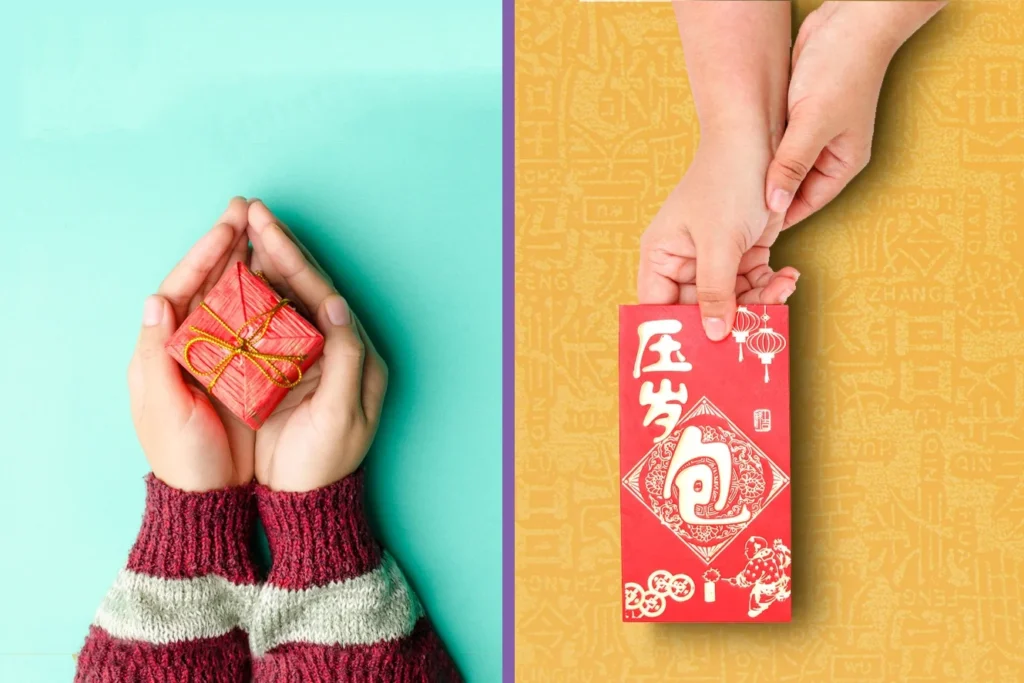
Gift-giving is an important part of Chinese culture, but certain types of gifts are considered unlucky or inappropriate. Understanding the cultural significance behind specific items will help you avoid mistakes.

What to Avoid:

  • Clocks: The word for “clock” in Chinese sounds similar to the word for “death” (钟 [zhōng]), so gifting a clock is seen as bad luck.
  • Sharp Objects: Knives or scissors symbolize severing relationships and should be avoided.
  • Umbrellas: The word for “umbrella” (伞 [sǎn]) sounds like the word for “separation” (散 [sàn]), making it an unlucky gift.

When presenting a gift, it’s also common to use both hands and to offer it modestly, as this demonstrates respect.

3. Avoiding Public Displays of Affection

Public displays of affection, such as kissing or hugging, are generally frowned upon in China, particularly in more rural areas. While young couples in cities like Beijing or Shanghai may be more open with their affection, it’s important to remain discreet.

What to Avoid:

  • Avoid holding hands or showing physical affection in public unless you’re in a more liberal setting.
  • Refrain from speaking loudly in public, especially in places like temples or museums, where silence is valued.

4. Respecting Religious and Cultural Sites

China is home to numerous religious and cultural landmarks, including Buddhist temples, Taoist shrines, and Confucian temples. When visiting these sites, it’s important to behave with the utmost respect.

What to Avoid:

  • Touching religious statues or objects: In many temples, touching sacred statues or offerings is considered disrespectful.
  • Entering restricted areas: Always follow the signs or the instructions of temple staff. If photography is not allowed, do not take pictures, even if you see others doing so.
  • Dress modestly: When visiting religious sites, dress conservatively and remove your hat and sunglasses as a sign of respect.

5. The Importance of Table Manners

Chinese dining etiquette is important, and there are several customs that should be followed when eating in China, whether in a formal setting or a casual restaurant.

What to Avoid:

  • Sticking chopsticks upright in rice: This resembles an offering made during funerals and is considered bad luck.
  • Pointing with chopsticks: Pointing at someone with your chopsticks is seen as impolite.
  • Don’t tip: Tipping is generally not expected in China and can even be considered inappropriate in some areas. However, high-end restaurants or international hotels may accept tips, so check local customs first.

What to Do:

  • Wait for the host or the eldest person to begin eating before you start.
  • If you’re drinking tea or alcohol, it’s customary to offer a toast to others before drinking.

6. Modesty in Conversation

In China, modesty is highly valued, and boasting about one’s achievements or wealth is seen as impolite. Instead, it is common to understate or downplay personal accomplishments.

What to Avoid:

  • Avoid talking about money or making overly personal or boastful remarks.
  • Asking overly personal questions, especially about someone’s salary, family life, or romantic relationships, can make people uncomfortable.

What to Do:

  • Engage in conversations about shared experiences, general topics, and local culture to show interest in the people and the country.

7. Tipping Culture in China

Tipping in China is not a common practice and can sometimes be viewed as awkward or unnecessary. However, in high-end restaurants, international hotels, or with tour guides, tipping may be more accepted, though still not obligatory.

What to Avoid:

  • Tipping taxi drivers or local restaurant staff is typically not expected and could be seen as awkward.

What to Do:

  • In some upscale hotels or restaurants, you may leave a small tip (around 10%) if you receive exceptional service, but it is never compulsory.

8. Paying Attention to Personal Space

Chinese people generally appreciate personal space but might not observe the same distance norms that you’re used to in the West. It is common for people to stand closer to each other in public spaces, such as in elevators or on public transportation.

What to Avoid:

  • Avoid excessive physical contact in tight spaces.
  • Don’t push or shove when navigating crowded areas.

9. Handling Disagreements and Conflict

In Chinese culture, maintaining harmony and avoiding conflict in public is very important. Losing face, which refers to losing one’s dignity or reputation, is something that people try to avoid at all costs.

What to Avoid:

  • Public arguments: Avoid raising your voice or arguing in public, as it can cause discomfort and loss of face.
  • Criticism in public: If you need to give feedback or criticism, it is best to do so privately and tactfully.

What to Do:

  • Stay calm and composed, and try to address conflicts privately if necessary.

10. Avoiding Negative Gestures

Certain gestures that might seem harmless or neutral in your culture can be seen as offensive in China.

What to Avoid:

  • The “OK” hand gesture: The gesture where you form a circle with your thumb and forefinger is considered rude in China, resembling the shape of a derogatory term.
  • Pointing at people: Pointing at someone with your finger is considered impolite, so try to use your whole hand when gesturing.

Conclusion

Respecting the cultural norms and etiquette of China is essential for a smooth and enjoyable trip. By following these guidelines, you’ll avoid causing offense and gain a deeper understanding of the country’s rich traditions. Understanding what’s acceptable and what isn’t will allow you to engage more meaningfully with locals and truly appreciate China’s diverse culture.

Want a More Personalized Best China Tour?

Talk to us about booking a private or custom tour for your unique China experience.
Most PopularGuilin karst mountains — China Group Tours by HelloChinaTrip
Group Tours

China's Iconic Destinations, Together

Join a small-group guided tour through China's most iconic landscapes and cities. From the Great Wall to Guilin's karst peaks and Zhangjiajie's glass-bridge peaks, every itinerary is carefully curated with fixed pricing, expert local guides, and full logistics support.

  • Fixed, transparent pricing — no hidden fees
  • Small groups for an intimate experience
  • Multilingual, certified guides
  • Visa invitation letter included
Learn More
For DelegationsModern China cityscape — Business study tours by HelloChinaTrip Biz
Business Study Tours

Inside China's Benchmark Enterprises

Gain exclusive access to Huawei, Alibaba, BYD, Haier, Tencent, and 200+ benchmark enterprises across 20+ cities. Each visit combines a facility tour, executive masterclass, and interactive Q&A — facilitated by bilingual business interpreters. Ideal for corporate delegations, MBA groups, and government officials.

  • 200+ enterprise partners across 20+ cities
  • Executive masterclasses & factory floor tours
  • Professional bilingual business facilitation
  • Custom programs for any delegation size
Learn More
More Services

Additional Specialized Services

Completing your China journey from paperwork to on-ground AI support

Visa Documents, Simplified

Invitation Letter

Apply online for an official China visa invitation letter. Our service handles formatting, verification, and delivery — accepted by Chinese consulates worldwide. Track your order in real time and receive your document digitally within days.

  • Official document formatting
  • Accepted at Chinese consulates globally
  • Real-time order tracking
  • Digital delivery
Explore Invitation Letter
World-Class Healthcare in China

Medical Tourism

Access China's top Grade 3 Class A hospitals and leading specialists through a single platform. We support the full medical journey: hospital selection, appointment booking, medical translation, transport, accommodation coordination, and post-care follow-up.

  • Grade 3A hospitals & top specialists
  • Appointment booking & medical translation
  • Transport & accommodation support
  • Post-treatment follow-up
Explore Medical Tourism
Your China, Your Way

Custom Tours

No templates, no compromises. Tell us your interests, travel dates, group size, and budget — and we'll design a completely bespoke China itinerary from scratch. Culture, adventure, food, photography, tea ceremonies, ancient villages — anything is possible.

  • 100% bespoke itineraries
  • Any group size, any theme
  • Flexible dates & duration
  • All-inclusive or component booking
Explore Custom Tours
Smarter Trip Planning with AI

AI Concierge

Chat with HiChina.Travel — our AI-powered travel concierge — to get instant answers about China travel, visa requirements, destinations, culture, and safety. Available 24/7, it helps you plan faster and arrive better prepared.

  • Instant answers, 24/7
  • Visa & entry requirement guidance
  • Destination & itinerary suggestions
  • Powered by real HelloChinaTrip data
Explore AI Concierge

Video Testimonials

6 Cultural Customs Every Tourist Should Know | China Travel Tips | Untold Asia

100 Traditional Culture You Have To Know About China

Customized China Tours Tailored Just for You