Shen's Garden Admission Ticket
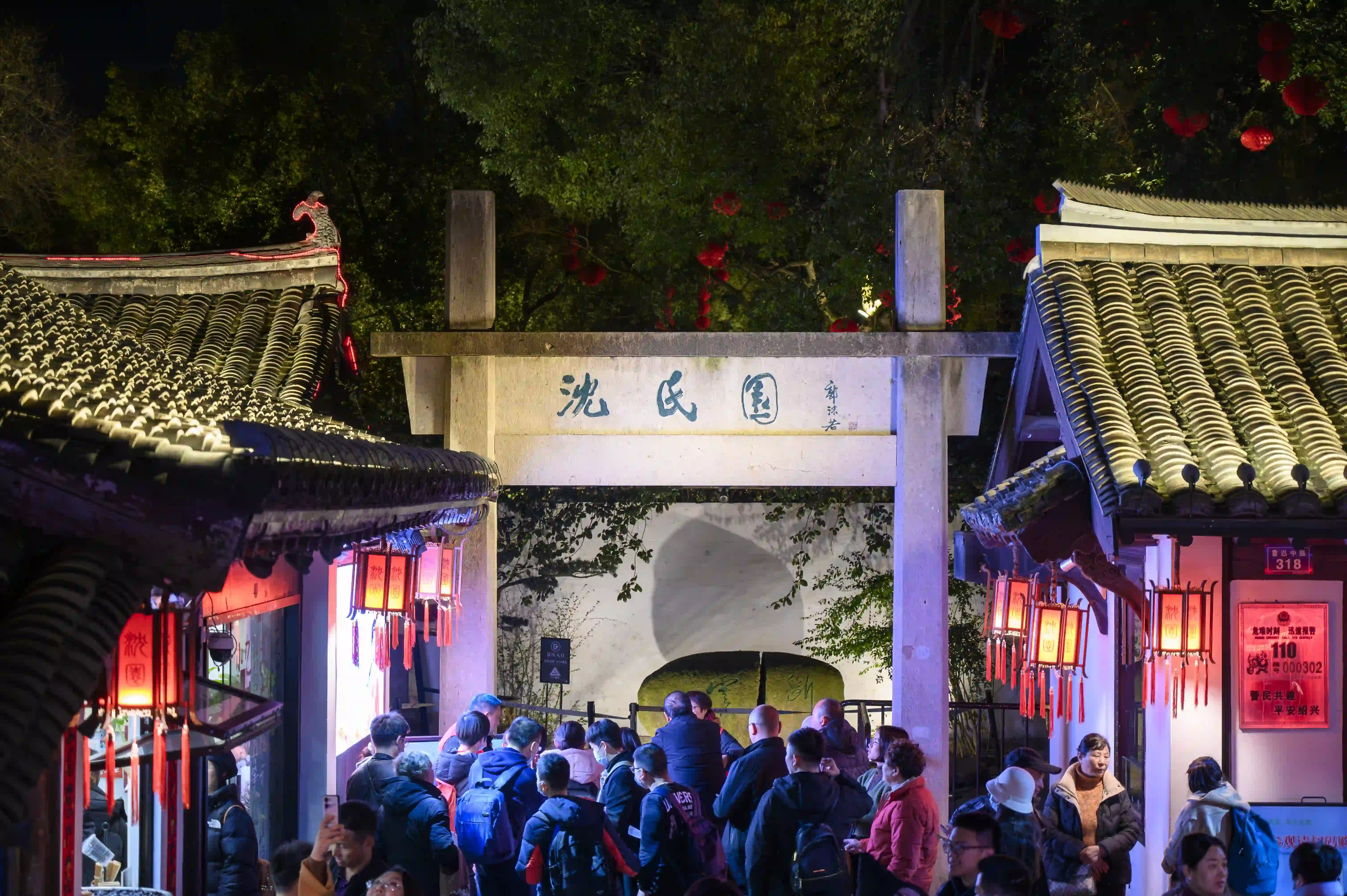
Discover Shen’s Garden, a preserved Song-style classical garden in downtown Shaoxing and part of the 5A Lu Xun’s Hometown Scenic Area, famous for the Lu You and Tang Wan romance.
Customized China Tours Tailored Just for You
Explore the 5A-rated Potala Palace in Lhasa, a historic palace-fortress with 7th-century origins, 17th-century reconstruction, and a vast complex of 1,267 rooms. Suggested visit duration: about 4 hours.

The Potala Palace in Lhasa is a 5A-rated palace-fortress complex at Nr. 35, Beijing Middle Road, Chengguan District, Tibet Autonomous Region, China. It was first constructed in the 7th century AD under Songtsen Gampo, the 33rd King of the Tibetan Empire; historical records describe an original complex with three concentric outer walls and a thousand interior chambers. After severe damage from the 9th century onward, the palace was rebuilt in the 17th century by the 5th Dalai Lama with support from the Qing central government, becoming Tibet’s political and religious center. Later expansions created a massive complex covering about 400,000 square meters by the 1930s, with about 130,000 square meters of built-up area, a main building height of 115.703 meters, and 1,267 rooms. Plan for a suggested visit duration of about 4 hours. The visit arrangement is subject to manual advisor confirmation, and passport entry guidance is included.
Nr. 35, Beijing Middle Road, Bezirk Chengguan, Lhasa, Autonomes Gebiet Tibet, China
The Potala Palace was first constructed in the 7th century AD under the direction of Songtsen Gampo, the 33rd King of the Tibetan Empire (Tubo). According to historical records, the original palace complex was grand in scale, featuring three concentric outer walls and a thousand interior chambers. Following the 9th century, however, the palace suffered severe damage—caused by warfare, fires, and lightning strikes—and was eventually left in a state of neglect. In the 17th century, with the support of the Qing central government, the 5th Dalai Lama rebuilt the Potala Palace, establishing it as the political and religious center of Tibet. Through subsequent expansions, the complex grew significantly; by the 1930s, it had evolved into a massive palace-fortress complex covering an area of approximately 400,000 square meters, with a built-up area of about 130,000 square meters. Its main building rises to a height of 115.703 meters, and the entire complex comprises 1,267 rooms serving diverse functions—including palaces, reliquary stupa halls, prayer halls, administrative offices, a school for monastic officials, and living quarters for monks.
The Potala Palace was first constructed in the 7th century AD under Songtsen Gampo, the 33rd King of the Tibetan Empire. Historical records describe an original complex with three concentric outer walls and a thousand interior chambers.
In the 17th century, with support from the Qing central government, the 5th Dalai Lama rebuilt the palace as the political and religious center of Tibet.
By the 1930s, the complex covered about 400,000 square meters, with about 130,000 square meters of built-up area. Its main building rises to 115.703 meters.
The complex comprises 1,267 rooms serving diverse functions, including palaces, reliquary stupa halls, prayer halls, administrative offices, a school for monastic officials, and living quarters for monks.
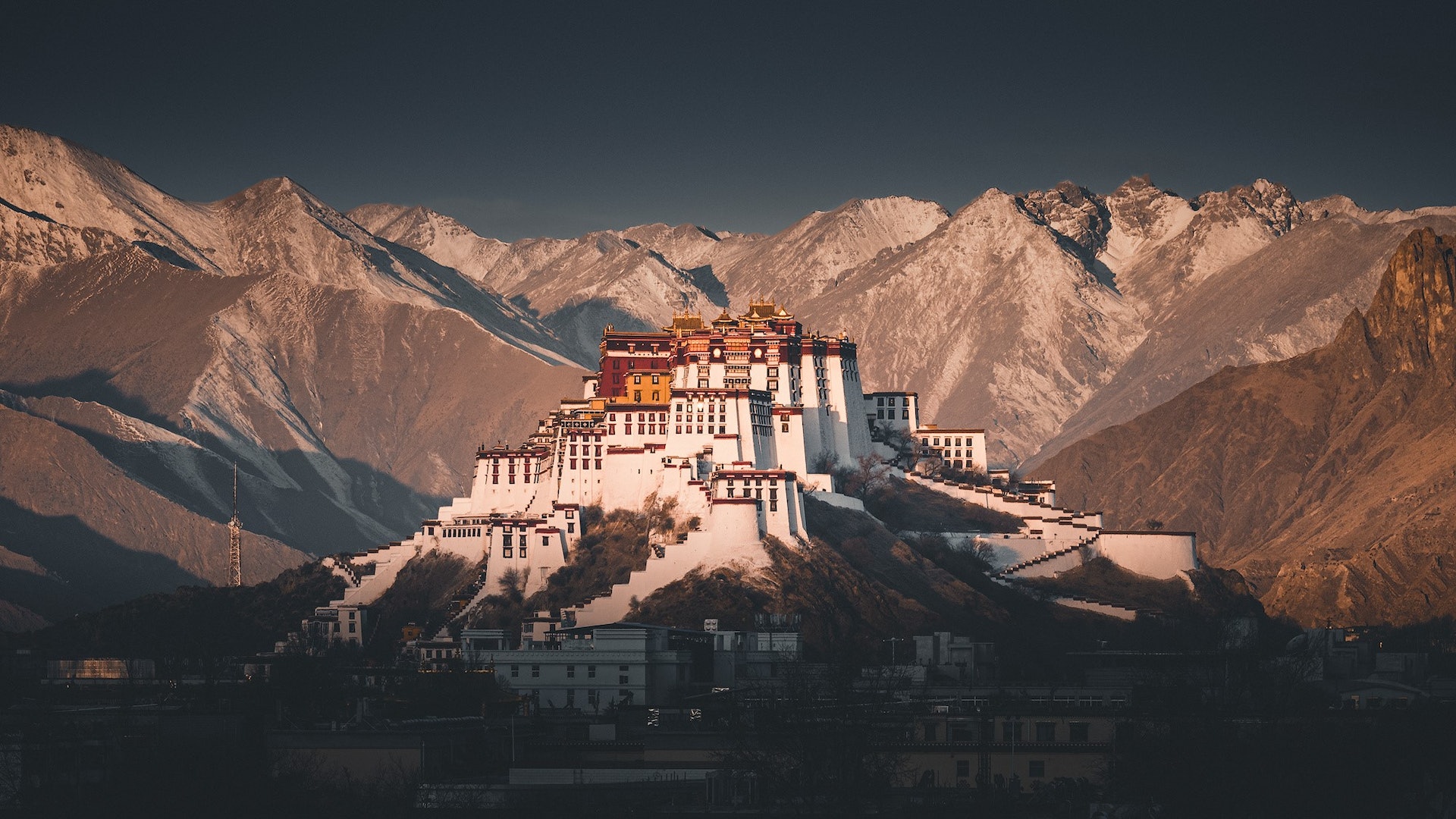
The Potala Palace is rated 5A and is located in Lhasa at Nr. 35, Beijing Middle Road, Chengguan District, Tibet Autonomous Region, China.
Opening hours are subject to official notices.
Full refund before the advisor starts procurement. Once procurement has started or tickets have been issued, customer-initiated cancellations are non-refundable. If the supplier cannot fulfill the booking, the ticket amount and service fee are refunded in full; third-party payment processing fees are not refundable.
It is in Lhasa, at Nr. 35, Beijing Middle Road, Chengguan District, Tibet Autonomous Region, China.
The suggested visit duration is about 4 hours.
It was first built in the 7th century under Songtsen Gampo and later rebuilt in the 17th century by the 5th Dalai Lama with Qing central government support, becoming Tibet’s political and religious center.
The complex comprises 1,267 rooms with diverse functions, including palaces, reliquary stupa halls, prayer halls, administrative offices, a school for monastic officials, and living quarters for monks.
Yes, passport entry guidance is included; please carry your passport and follow your advisor’s confirmation.
You may cancel for a full refund before procurement starts. Once procurement has started or the ticket has been issued, the order is non-refundable unless HelloChinaTrip cannot fulfill it. Third-party payment processing fees are not refundable.

Discover Shen’s Garden, a preserved Song-style classical garden in downtown Shaoxing and part of the 5A Lu Xun’s Hometown Scenic Area, famous for the Lu You and Tang Wan romance.

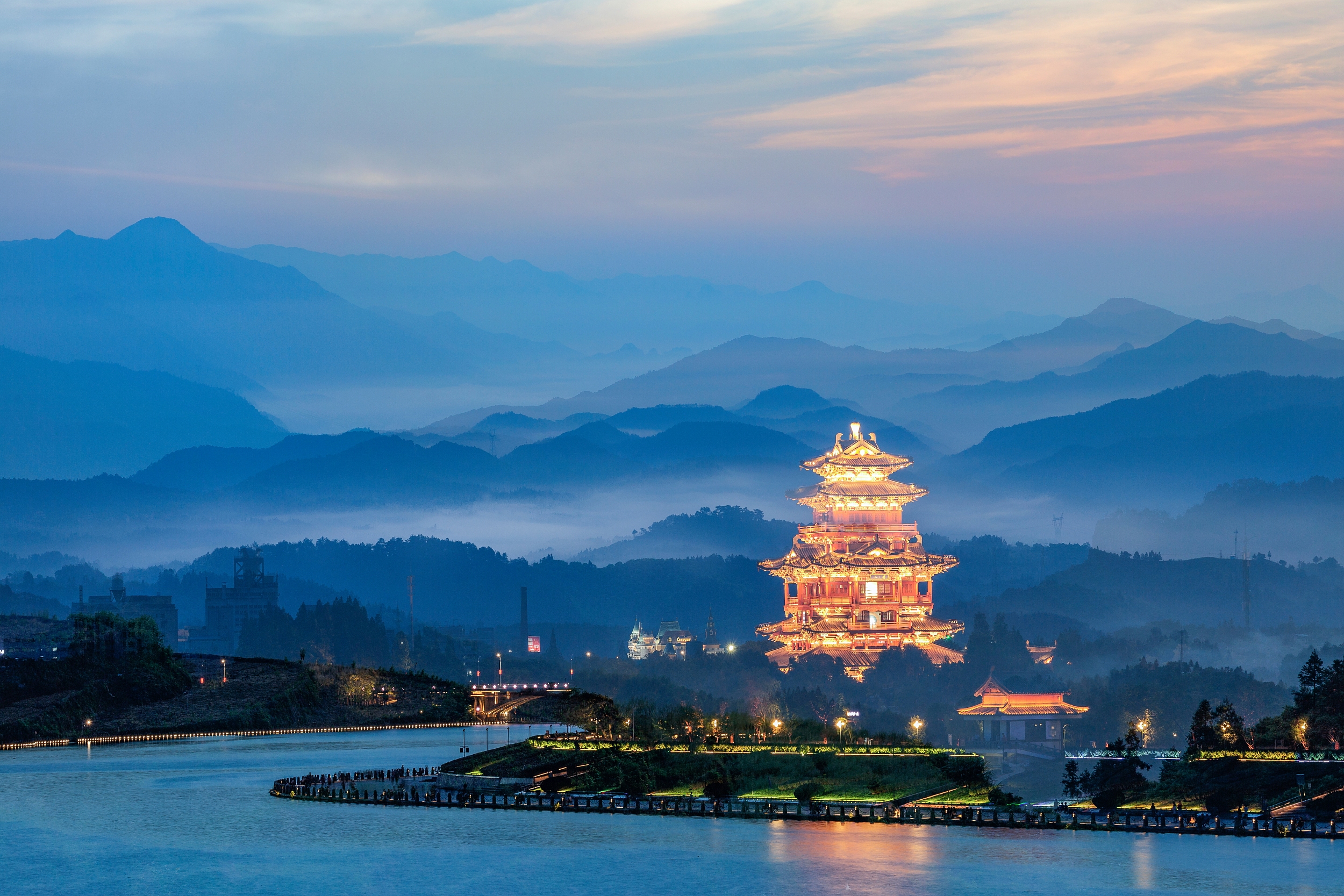
Xiandu Scenic Area is a national 5A tourist attraction and national key scenic resort in Jinyun County, Lishui, Zhejiang. It is known for Dinghu Peak, Yellow Emperor heritage, cliff inscriptions, and Lianxi River scenery; suggested visit about 5 hours.

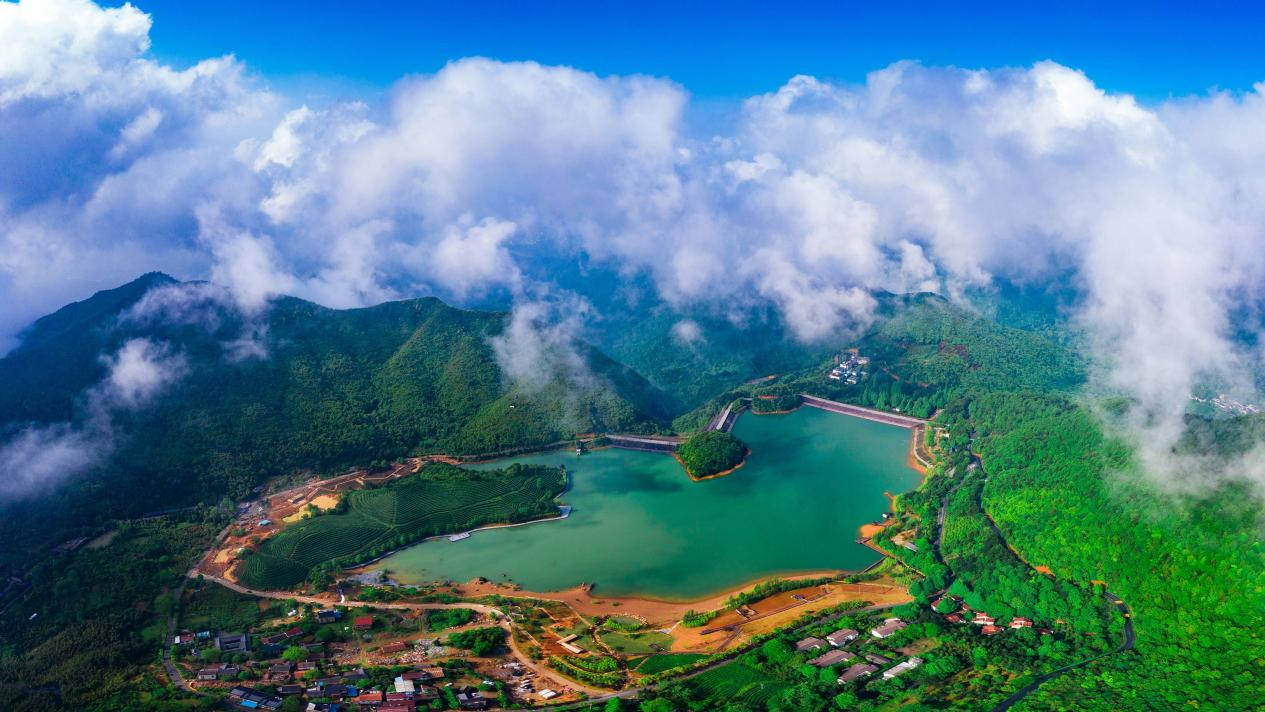
Visit Jinhua Shuanglong Scenic Area, a 5A national key scenic area and forest park in Zhejiang, known for karst caves, Shuanglong Cave's underground boat ride, Taoist heritage, and the Xiake Trail.
Read recent Google reviews from travelers who planned their China trips with HelloChinaTrip.