Shen's Garden Admission Ticket
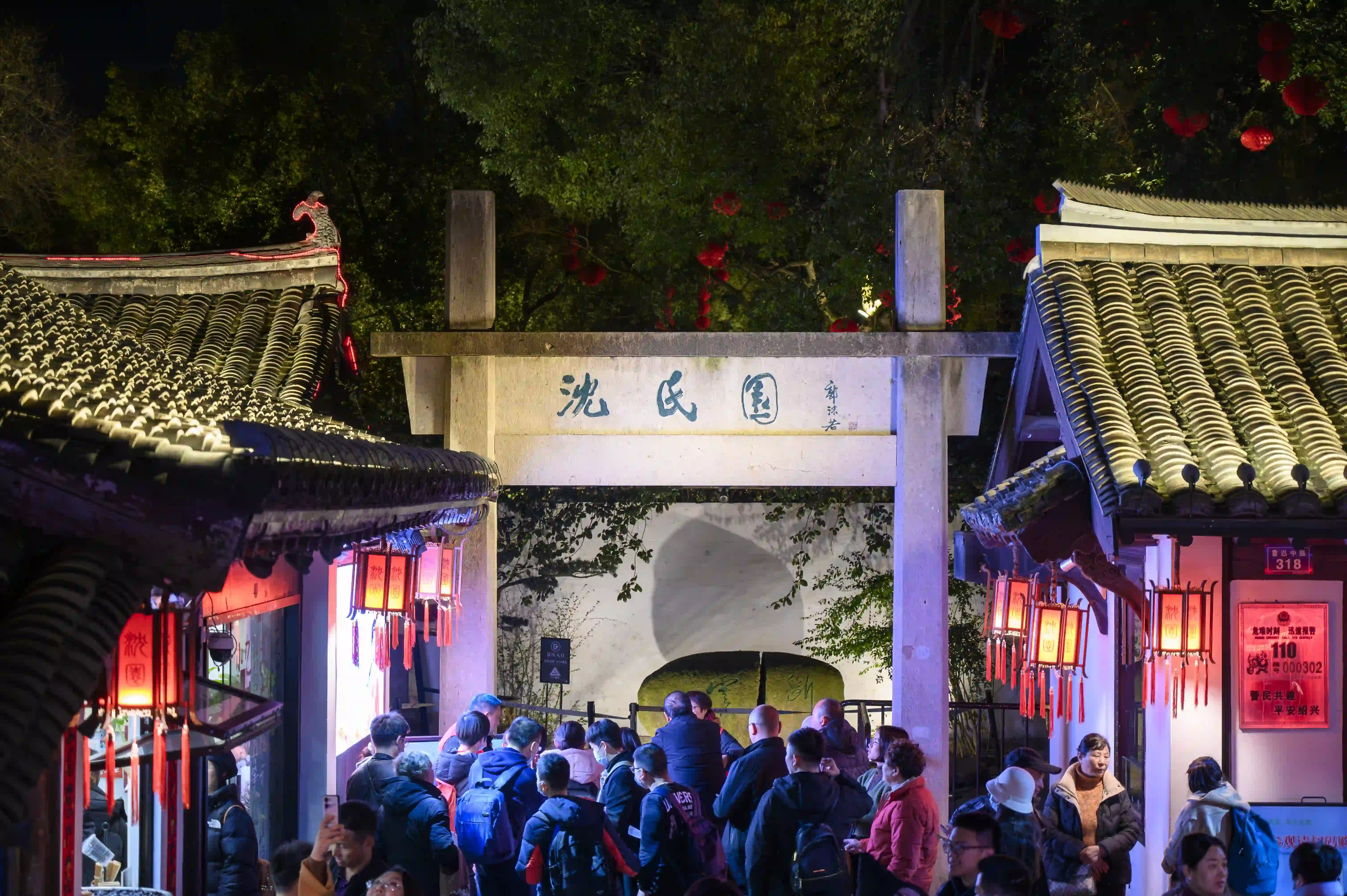
Discover Shen’s Garden, a preserved Song-style classical garden in downtown Shaoxing and part of the 5A Lu Xun’s Hometown Scenic Area, famous for the Lu You and Tang Wan romance.
Customized China Tours Tailored Just for You
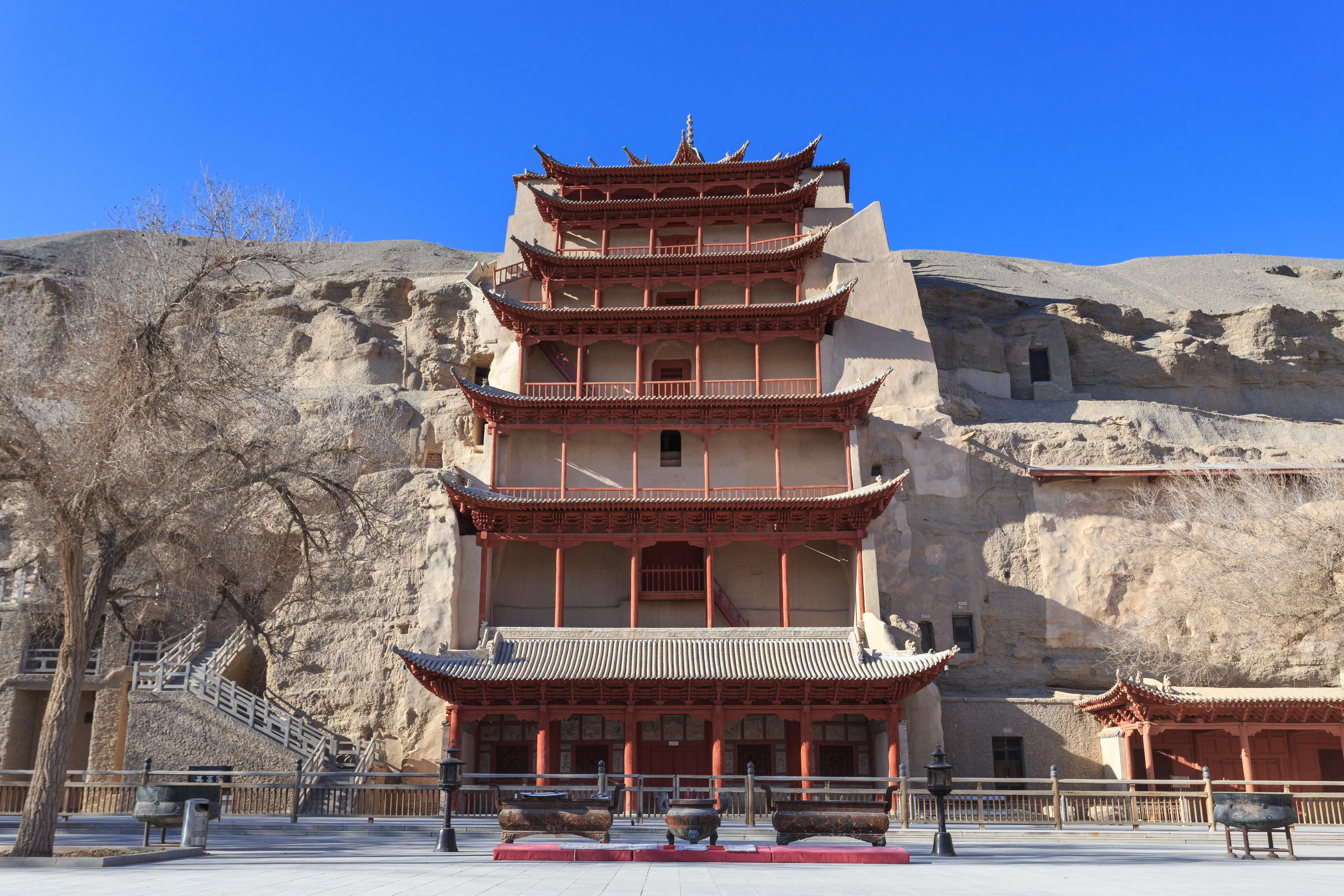
Visit the Mogao Caves near Dunhuang, a UNESCO World Heritage site known as the Caves of the Thousand Buddhas and celebrated for its Buddhist art along the ancient Silk Road.

The Mogao Caves in Dunhuang, commonly called the "Caves of the Thousand Buddhas," are located on a cliff at the eastern foot of Mingsha Mountain, about 25 kilometers southeast of Dunhuang City in Gansu Province. Construction began in 366 AD and continued across ten successive dynasties. Today the site is the world’s largest and most content-rich repository of Buddhist art. It is also a testament to the convergence of Eastern and Western civilizations along the ancient Silk Road. The Mogao Caves were inscribed on the World Heritage List in 1987. HelloChinaTrip can assist with manual advisor confirmation for your visit request.
25 kilometers southeast of Dunhuang City, Jiuquan City, Gansu Province (on the cliffs at the eastern foot of Mingsha Mountain)
The Mogao Caves in Dunhuang—commonly known as the "Caves of the Thousand Buddhas"—are situated on a cliff at the eastern foot of Mingsha Mountain, 25 kilometers southeast of Dunhuang City, Gansu Province. Construction began in 366 AD (the second year of the Jianyuan era of the Former Qin dynasty) and continued across ten successive dynasties. Today, it stands as the world’s largest and most content-rich repository of Buddhist art, as well as a brilliant testament to the convergence of Eastern and Western civilizations along the ancient Silk Road. The site was inscribed on the World Heritage List in 1987.
The Mogao Caves were inscribed on the World Heritage List in 1987.
This is the common name for the Mogao Caves in Dunhuang.
The site is described as the world’s largest and most content-rich repository of Buddhist art.
The caves reflect the convergence of Eastern and Western civilizations along the ancient Silk Road.
Construction began in 366 AD and continued across ten successive dynasties.
The caves are on cliffs at the eastern foot of Mingsha Mountain, 25 kilometers southeast of Dunhuang City.
Opening hours are subject to official notices.
Full refund before the advisor starts procurement. Once procurement has started or tickets have been issued, customer-initiated cancellations are non-refundable. If the supplier cannot fulfill the booking, the ticket amount and service fee are refunded in full; third-party payment processing fees are not refundable.
They are on cliffs at the eastern foot of Mingsha Mountain, about 25 kilometers southeast of Dunhuang City in Jiuquan, Gansu Province.
They are known as the world’s largest and most content-rich repository of Buddhist art and as a testament to convergence along the ancient Silk Road.
Construction began in 366 AD and continued across ten successive dynasties.
Yes. The site was inscribed on the World Heritage List in 1987.
They are commonly known as the "Caves of the Thousand Buddhas."
Submit your visit details to HelloChinaTrip for manual advisor confirmation. Carry your passport for entry as advised; third-party payment fees may apply.
You may cancel for a full refund before procurement starts. Once procurement has started or the ticket has been issued, the order is non-refundable unless HelloChinaTrip cannot fulfill it. Third-party payment processing fees are not refundable.

Discover Shen’s Garden, a preserved Song-style classical garden in downtown Shaoxing and part of the 5A Lu Xun’s Hometown Scenic Area, famous for the Lu You and Tang Wan romance.

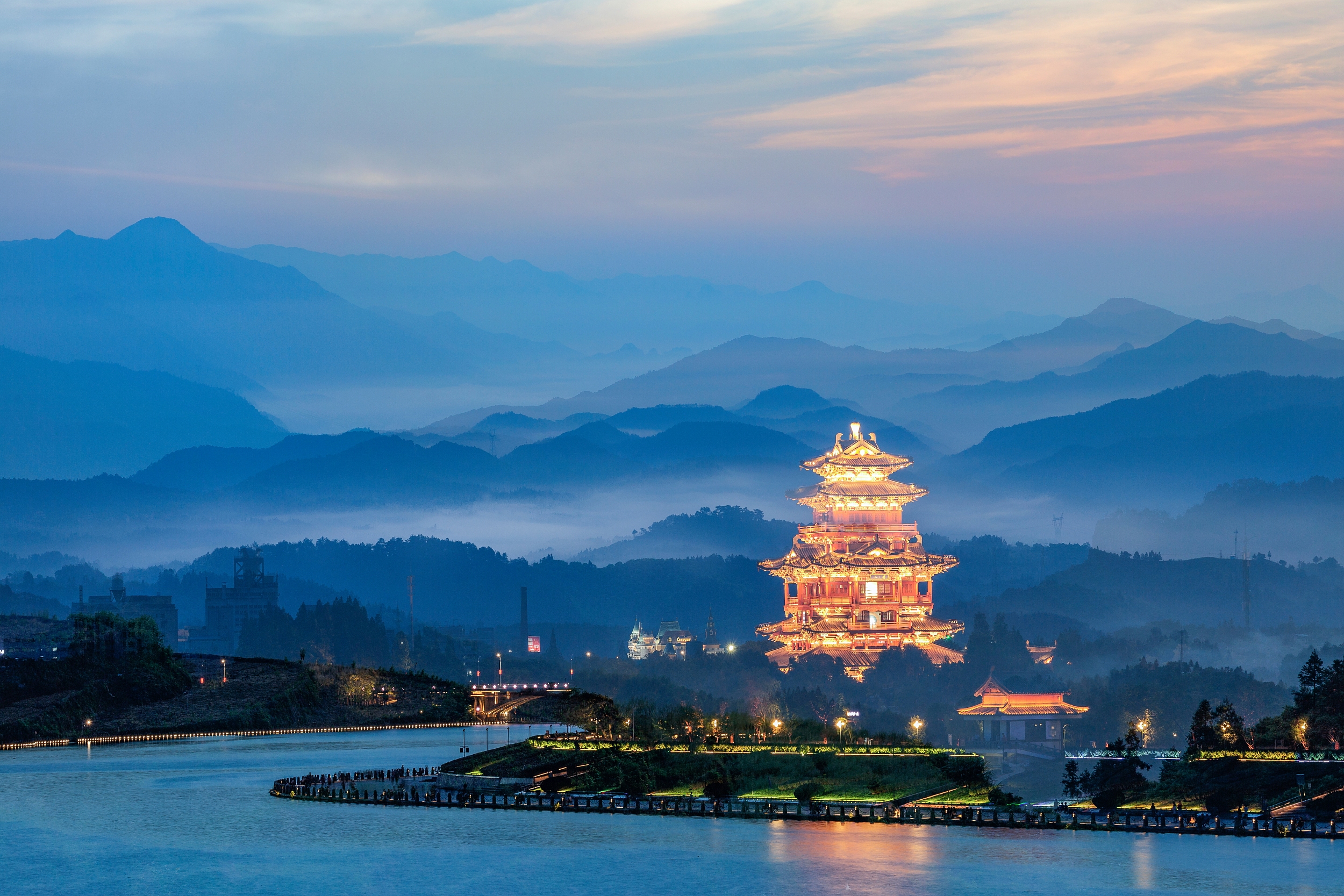
Xiandu Scenic Area is a national 5A tourist attraction and national key scenic resort in Jinyun County, Lishui, Zhejiang. It is known for Dinghu Peak, Yellow Emperor heritage, cliff inscriptions, and Lianxi River scenery; suggested visit about 5 hours.

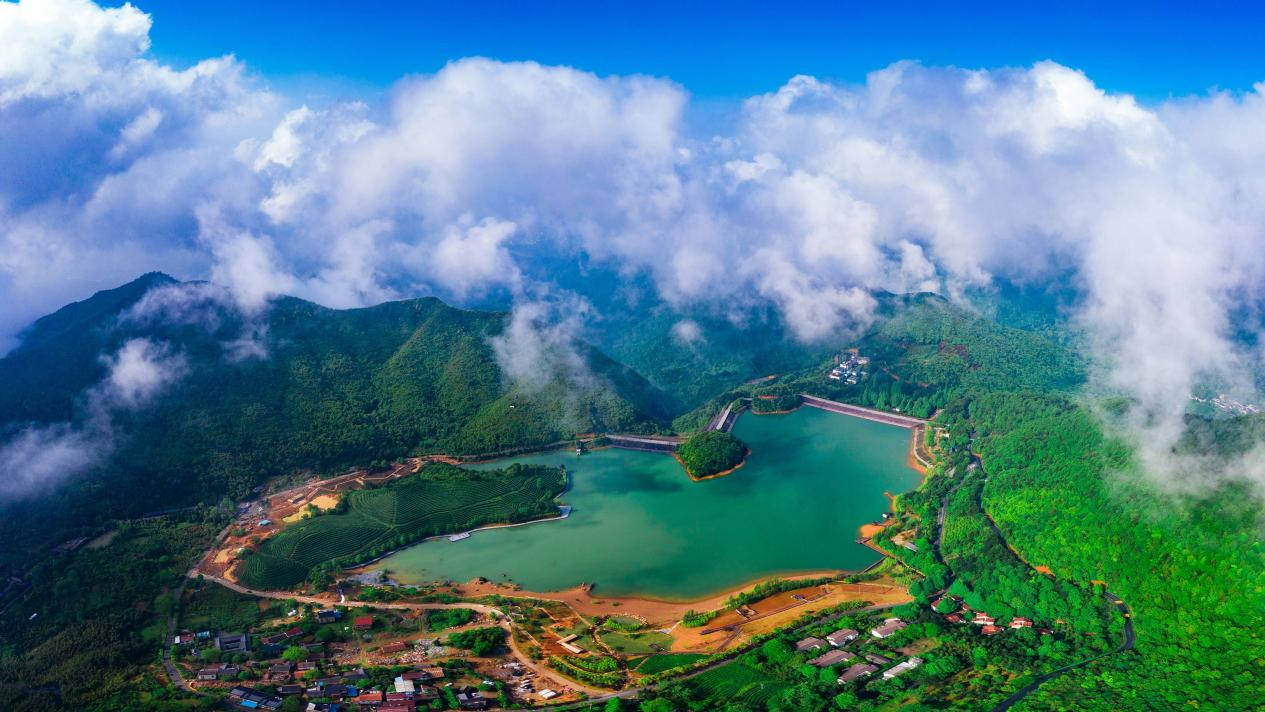
Visit Jinhua Shuanglong Scenic Area, a 5A national key scenic area and forest park in Zhejiang, known for karst caves, Shuanglong Cave's underground boat ride, Taoist heritage, and the Xiake Trail.
Read recent Google reviews from travelers who planned their China trips with HelloChinaTrip.