Shen's Garden Admission Ticket
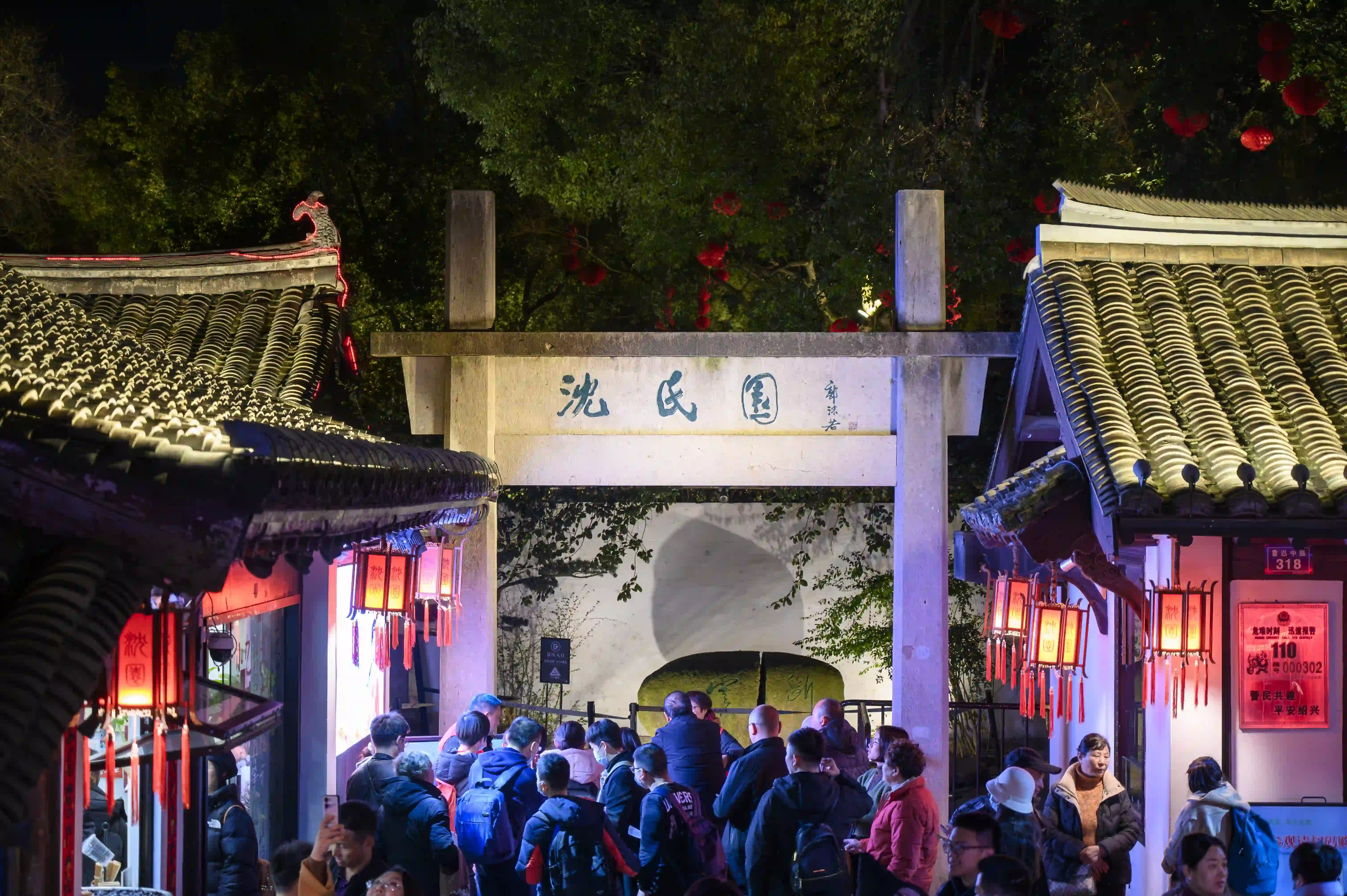
Discover Shen’s Garden, a preserved Song-style classical garden in downtown Shaoxing and part of the 5A Lu Xun’s Hometown Scenic Area, famous for the Lu You and Tang Wan romance.
Customized China Tours Tailored Just for You
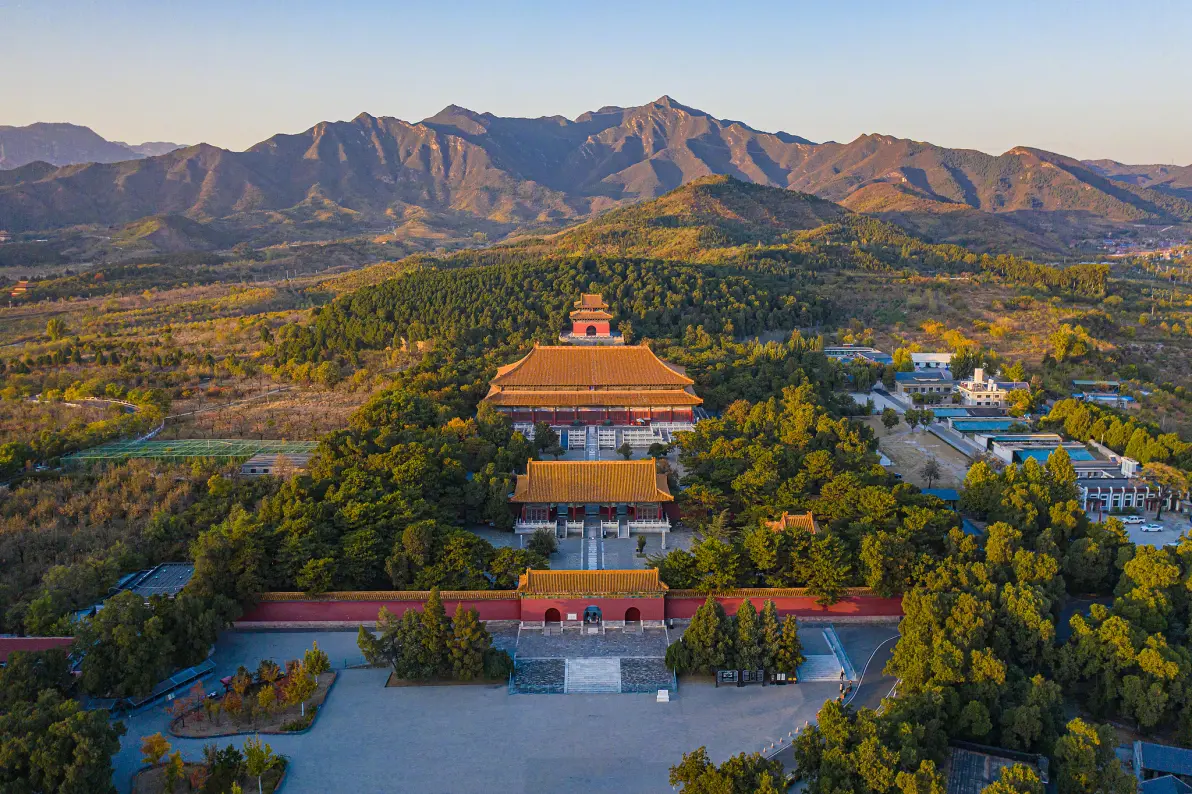
As an extension of the Imperial Tombs of the Ming and Qing Dynasties, the Thirteen Tombs of the Ming Dynasty were inscribed on the World Heritage List following approval at the 27th session of the World Heritage Committee.

The Ming Tombs, located at the foot of Tianshou Mountain in the northern part of Changping District, Beijing, serve as the final resting place for 13 emperors of the Ming Dynasty. After Emperor Yongle established Beijing as the capital, he initiated the search for an imperial burial site in the area—a decision driven by both political and strategic considerations. This move, deeply rooted in strategic intent, played a crucial role in consolidating the regime and thoroughly eliminating the remnants of the Mongol-led Yuan Dynasty. Construction of the Ming Tombs began in the seventh year of the Yongle reign (1409) and continued for over 230 years, lasting until the early years of the Shunzhi reign of the Qing Dynasty. Thirteen magnificent imperial mausoleums were built, belonging to the following emperors: Chengzu (Changling), Renzong (Xianling), Xuanzong (Jingling), Yingzong (Yuling), Xianzong (Maoling), Xiaozong (Tailing), Wuzong (Kangling), Shizong (Yongling), Muzong (Zhaoling), Shenzong (Dingling), Guangzong (Qingling), Xizong (Deling), and Sizong (Siling). In total, the complex houses the remains of 13 emperors, 23 empresses, one imperial noble consort, and dozens of other consorts who were buried alongside the emperors. In addition to the imperial mausoleums, the site includes seven burial grounds for Ming Dynasty consorts, one tomb for a eunuch, and various auxiliary structures—such as the Office of Imperial Sacrificial Rites and the Directorate of Imperial Palaces—forming a comprehensive, grand, and imposing architectural complex. It stands as the best-preserved imperial burial site in the world, containing the largest number of buried emperors.
Ming Tombs (明十三陵) is located in Beijing.
A manual advisor confirms the next steps for your request.
Bring your passport for entry, and confirm any additional requirements with your advisor.
Opening hours are subject to official notices.
Full refund before the advisor starts procurement. Once procurement has started or tickets have been issued, customer-initiated cancellations are non-refundable. If the supplier cannot fulfill the booking, the ticket amount and service fee are refunded in full; third-party payment processing fees are not refundable.
The Ming Tombs are located in Beijing.
Official opening hours are not provided here; a manual advisor can help confirm practical details.
This is a booking request with manual advisor confirmation. The advisor confirms availability and next steps.
Carry your passport for entry. Your advisor can confirm any additional requirements.
You may cancel for a full refund before procurement starts. Once procurement has started or the ticket has been issued, the order is non-refundable unless HelloChinaTrip cannot fulfill it. Third-party payment processing fees are not refundable.

Discover Shen’s Garden, a preserved Song-style classical garden in downtown Shaoxing and part of the 5A Lu Xun’s Hometown Scenic Area, famous for the Lu You and Tang Wan romance.

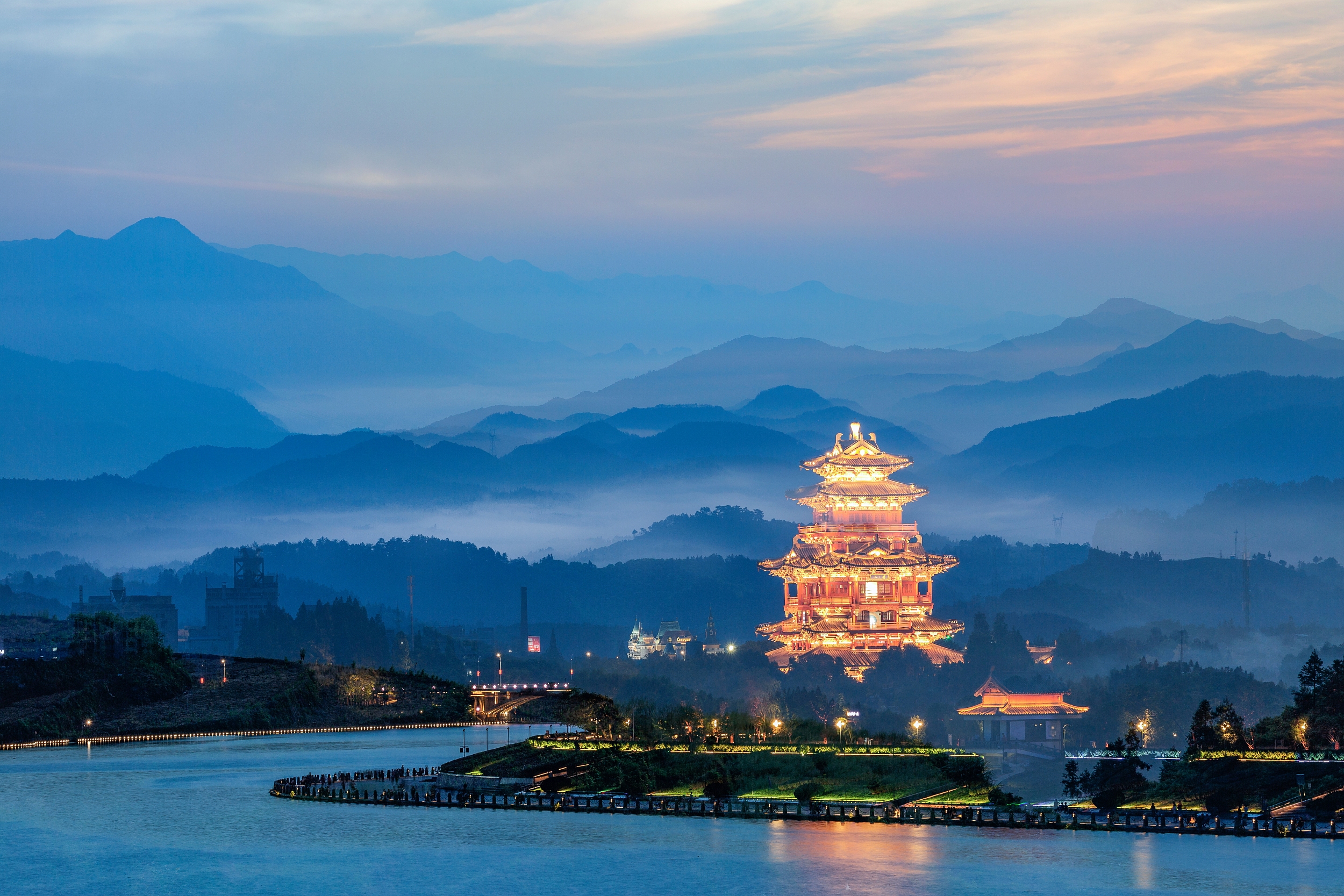
Xiandu Scenic Area is a national 5A tourist attraction and national key scenic resort in Jinyun County, Lishui, Zhejiang. It is known for Dinghu Peak, Yellow Emperor heritage, cliff inscriptions, and Lianxi River scenery; suggested visit about 5 hours.

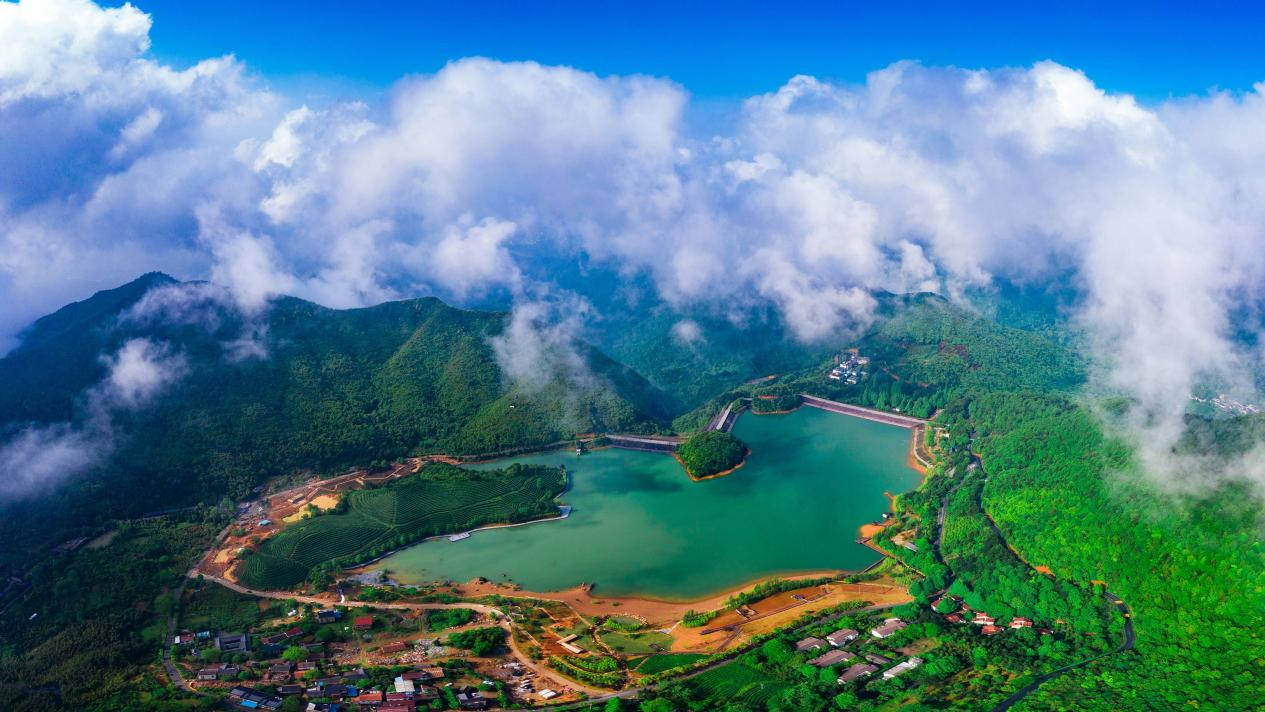
Visit Jinhua Shuanglong Scenic Area, a 5A national key scenic area and forest park in Zhejiang, known for karst caves, Shuanglong Cave's underground boat ride, Taoist heritage, and the Xiake Trail.
Read recent Google reviews from travelers who planned their China trips with HelloChinaTrip.