導遊晚上7點來接您,帶您穿過成都文化公園燈籠映照的小徑,來到蜀風雅韻茶館——一座清代劇院,被認定爲國家非物質文化遺產。您在頭排竹椅上落座。蓋碗茶端了上來。鑼聲響起。接下來的90分鐘裡,您將親眼見證一門經過三百多年淬鍊的藝術:閃電般的變臉、四川方言的喜劇小品、讓空氣爆炸的噴火表演,以及壓軸戲——大師以令人難以置信的速度變換面孔,快得讓您懷疑自己的眼睛——而您的導遊全程輕聲解說,讓奇觀化爲理解。
大多數遊客只看一場演出。而有私人導遊陪同,您將走到幕布之後——見到面具大師,觸摸絲綢層,親眼看到三百年祕密傳承的真實面貌。
"我帶外國客人來看川劇已經十二年了,變臉開始時我仍然會屏住呼吸。大師臉上戴着層層手繪絲綢面具——每一層比蝴蝶翅膀還薄——用幾乎看不見的絲線縫合。一揮扇、一轉身、一抖袖,紅色的武將臉變成藍色惡魔,然後變成金色神靈,再變成白色鬼魂。確切的祕密被嚴密守護,大師們連自己的子女都不告訴。我會分享公開已知的內容——以及每種面具顏色的含義。」——您的導遊
演出開始前,導遊帶您走進後臺。化妝間裡,繡花絲綢戲袍、高聳的頭飾和手繪面具在木架上晾乾,一片有序的繁忙景象。領銜變臉演員——一位七歲開始學藝的大師——正對着鏡子打底色妝容。他點頭致意。導遊爲您講解每張面具上的象徵意義:紅色關羽(忠義)、黑色包公(正義)、白色曹操(奸雄)。從此以後,您看演出的視角將完全不同。
變臉是壓軸大戲,但其餘節目同樣令人着迷——而只有導遊能讓你真正看懂。噴火藝人含一口煤油,向舞臺噴出一道爆炸性的火柱。手影大師僅憑手指和蠟燭就變出奔騰的駿馬和搏鬥的武士。「滾燈」喜劇——一個怕老婆的男人頭頂燃燒的油燈從板凳下爬過——引得中國觀衆哄堂大笑。導遊爲你實時翻譯笑點。
演出不是在安靜正式的歌劇院裡。而是在茶館裡——竹椅、小桌、蓋碗茶蓋的輕碰聲、茉莉花香。導遊爲您點上一壺招牌茶:峨眉山雪芽,用傳統蓋碗衝泡。幕間,長嘴壺茶藝師從一米開外爲您續杯,一滴不灑。這不是一場您只是"觀看"的演出——這是一段您置身其中的夜晚。品茶、嗑瓜子、對喜劇演員捧腹大笑、爲變臉瞠目結舌。
從化妝間到最後一鞠躬——三百年川劇藝術,以最親密的形式被定格。

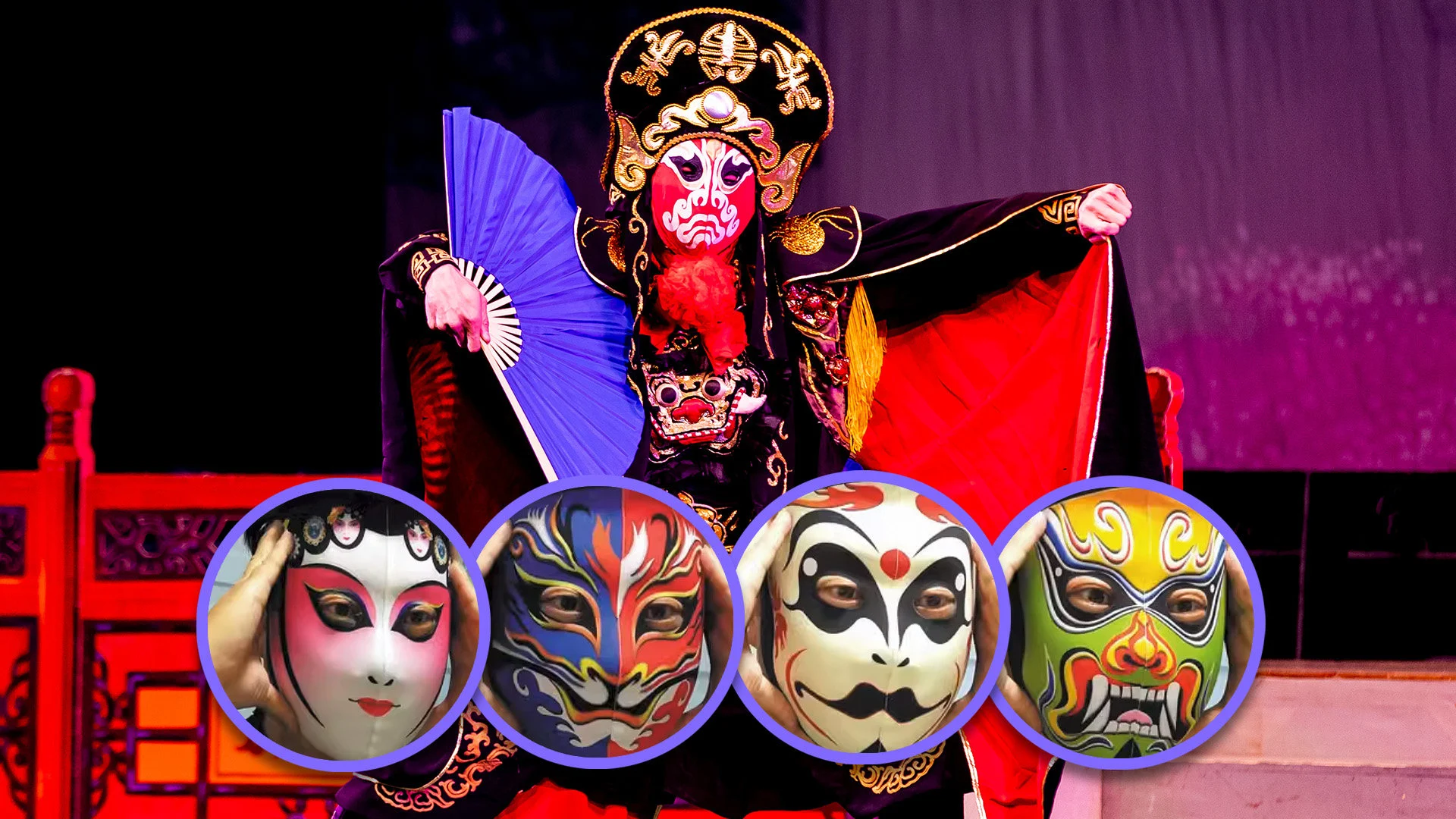
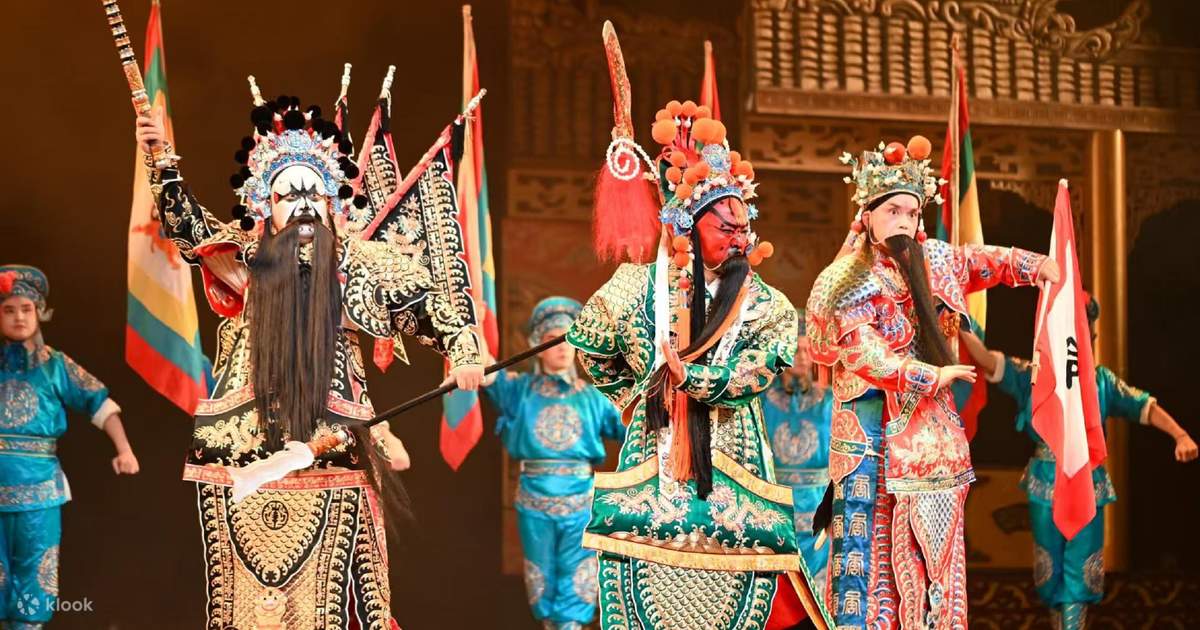
"後排票只要半價,但你只能看到一半的細節。從導遊預訂的前排座位上,你能看到演員的眼神、聽到絲綢面具翻動的脆響,捕捉到手部技巧的精妙之處,看到幻術背後的真功夫。」
"蜀風雅韻在演出期間提供傳統四川茶點——蜜餞、五香花生、時令月餅。演出結束後去深夜營業的餐館喫一頓正宗的四川火鍋,比提前喫飯要好得多。我知道文化公園附近有一家開到凌晨兩點、全城最好喫麻婆豆腐的店。」
"五歲的孩子都會被變臉迷住。演出節奏很快——沒有一幕超過10分鐘——喜劇、噴火和木偶戲牢牢抓住了孩子們的注意力。手影戲裡小鳥變成兔子的片段,尤其受小觀衆們喜愛。帶孩子來吧。」
"劇場允許無閃光燈拍照。關鍵時刻:噴火藝人噴出的爆炸性火柱、變臉師變換的瞬間、喜劇演員頭頂油燈的高潮。每個時刻我都會提示你。但在雜技變臉壓軸戲時——請放下手機。太快了,盯着屏幕的話你會完全錯過。」
在導遊陪同下,近距離見證變臉魔法的旅行者們。
I'm a theater director back home and I was absolutely floored. The precision, the showmanship, the centuries of technique hidden in plain sight — I spent the whole evening on the edge of my bamboo chair. Our guide got us into the dressing room beforehand and I watched the master apply his makeup. Then during the show, she explained the cultural meaning behind each mask color. Without her, I would have enjoyed the spectacle but understood nothing. With her, it was a masterclass in an art form I'd never known existed.
My 8-year-old son hasn't stopped talking about the 'magic mask man' since we returned home. The fire-spitter nearly made him jump out of his seat — in the best way. Our guide arranged snacks that kids actually eat, sat us at the perfect angle for the puppet show, and after the curtain call, took us backstage where the face-changer let my son try on one of the elaborate headdresses. The photo of that moment is now our family Christmas card.
I've been to the opera in Milan, Vienna, and Sydney. Shufeng Yayun is something else entirely. The intimacy of the teahouse setting — bamboo chairs, jasmine tea, performers close enough to see the sweat on their foreheads — creates an immediacy that grand opera houses can't match. Our guide's real-time narration during the comedy sketches was essential; the Chinese audience was in stitches while we would have been totally lost. The face-changing finale is genuinely one of the most extraordinary things I've ever seen on a stage.
As a Japanese visitor familiar with Noh and Kabuki, I was curious how Sichuan Opera compared. It's completely different — louder, more athletic, more immediate. The fire-spitting was shocking. The face-changing was hypnotic. But what I appreciated most was our guide's explanation of the Sichuan-specific cultural references: the satirical comedy sketches about local Chengdu life, the Sichuan dialect puns, the historical figures referenced in the mask colors. She transformed a tourist show into a genuine cultural education.
告訴我們您的旅行日期。我們將爲您預訂前排竹椅座位,安排後臺通行證,並爲您配備一位能解說每一幕變臉、每一個笑話、每一道火柱的導遊。24小時內免費提供行程方案初稿。
